Signs of hidden water damage behind walls in Fort Worth homes
Musty smells, soft drywall, and unexplained water bills are the top signs of hidden water damage behind walls in Fort Worth homes. Here's how to catch it early.
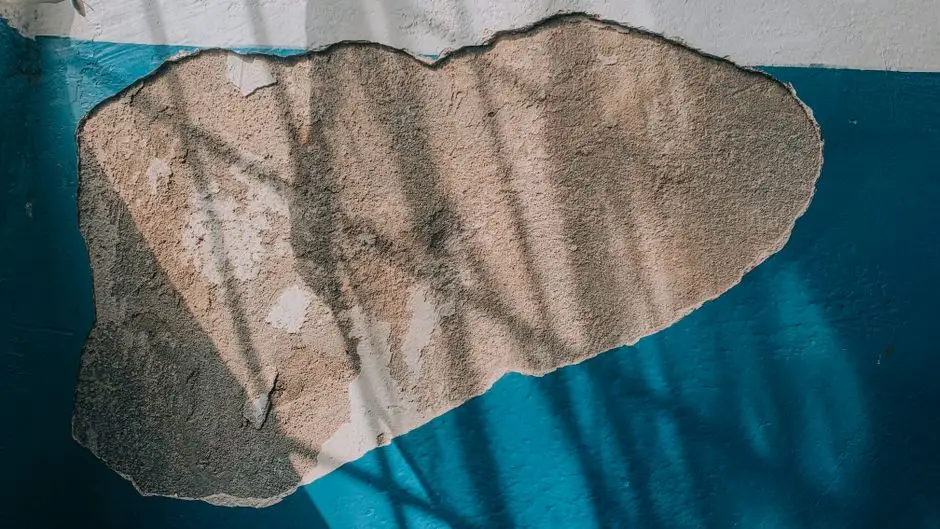
The signs of hidden water damage behind walls in Fort Worth homes are a musty smell that won't leave, drywall that feels soft or spongy, paint that bubbles or flakes, and a water bill that climbs without explanation. Those four signals show up in almost every wall cavity we open. If you notice any of them, water has likely been sitting behind the drywall for weeks, not days.
Below, we walk through what each sign actually looks like in a Fort Worth house, how to check your own walls this weekend, and when a hidden leak has moved past the point where a fan and a bucket will fix it.
What are the first signs of hidden water damage behind walls in Fort Worth?
The first signs of hidden water damage behind walls in Fort Worth are sensory: you smell it before you see it. A damp, earthy odor in one room-usually a bathroom, kitchen, or the wall shared with the garage-is the earliest and most reliable indicator. By the time a stain shows on the paint, the moisture has usually been feeding the drywall paper for two to four weeks.
Signs of hidden water damage behind walls Fort Worth TX homeowners report most often:
- A musty or wet-cardboard smell that returns after you clean
- Drywall that gives slightly when you press it with a thumb
- Paint or joint compound that bubbles, cracks in a spiderweb pattern, or peels in strips
- Baseboards that separate from the wall or feel soft at the bottom
- A water bill that jumps 10-20% with no change in habits
- Warm or cool spots on the wall that don't match the rest of the room
- Small dark specks near the baseboard or in the corner where two walls meet
One sign alone is worth a look. Two or more together almost always means an active leak.
Why Fort Worth homes hide water damage so well
Fort Worth homes hide water damage because of how they're built and what the climate does to them. Most of the housing stock here is slab-on-grade, which means supply lines run under the concrete and inside the walls with no basement to reveal a drip. The wall cavity itself is a closed box-paper-faced drywall on one side, sheathing on the other-so a slow leak has nowhere to drain and just soaks into the materials.
Our climate makes it worse in a specific way. Fort Worth swings from 100°F summers to hard freezes in January and February. That expansion and contraction cycle works on pipe joints, supply line fittings, and the caulk around tubs and windows. A pinhole that weeps a cup of water a day in July can burst open during the first hard freeze. We see the pattern every year: a quiet leak all summer, then a ceiling on the floor in January.
Older neighborhoods add their own variables. If you own a 1950s ranch house in Water Damage Restoration in Fort Worth TX, the galvanized supply lines may already be 60-plus years old. In the newer builds out toward Alliance and Saginaw, the risk shifts to PEX fittings and the plastic supply lines behind refrigerators and washing machines.
Whatever the age of your home, the fix starts with finding the source before it spreads. That's the work our Water Damage Assessment and Inspection Fort Worth TX team does every day.
How to detect hidden water damage Fort Worth: a room-by-room walkthrough
To detect hidden water damage Fort Worth homeowners can do a useful walkthrough in about 20 minutes with a flashlight, a screwdriver, and your last two water bills. You're looking for the mismatch between what a wall should feel like and what it actually feels like.
Kitchen and laundry
Pull the refrigerator and washing machine out from the wall. Look at the supply line and the shutoff valve behind each. A single drop hanging on the fitting, or a dark mineral stain on the drywall behind it, is your answer. These two appliances cause more hidden wall damage than any other source in Fort Worth homes.
Bathrooms
Check the caulk line where the tub meets the wall and the floor. Press the drywall just above the baseboard on the wall behind the shower valve. Soft drywall there points to a slow drip inside the wall. Look under the sink for staining on the cabinet floor.
Ceilings below bathrooms and attics
A faint ring or a bulge in the ceiling paint is water pooling above the drywall. If you have attic access, look at the underside of the roof deck and around the AC condensate drain pan.
Exterior walls after a storm
After a heavy spring storm, walk the perimeter and check for stains on the interior side of exterior walls, especially under windows. That's where wind-driven rain gets in.
If your walkthrough turns up a leak you can't trace, our Slab Leak Detection and Repair Fort Worth TX service covers the lines running under the slab, which is where a lot of unexplained moisture in Fort Worth homes originates.
The tools we use for wall water damage inspection in Fort Worth TX
A wall water damage inspection in Fort Worth TX goes past the eyeball test because most of the damage is invisible from the room side. We use three tools in combination, and each one answers a different question.
- Thermal imaging camera. It reads surface temperature across the wall. Wet drywall and insulation hold temperature differently than dry material, so a cool or warm patch shows up as a distinct shape on screen. This is how we find a leak two feet from where the stain appears.
- Pin-type and pinless moisture meters. These give us a percentage reading. Drywall in a Fort Worth home should sit between 8% and 12% moisture content. Anything over 16% is wet enough to support mold growth, and we treat it that way.
- Infrared and acoustic leak detection. For slab and in-wall supply lines, we use acoustic listening equipment and pressure testing to pinpoint the break without tearing out the whole wall.
We map every reading onto a moisture map so you can see the wet zone and the dry zone side by side. That map is also what your insurance adjuster wants to see. If you end up filing a claim, our Water Damage Insurance Claim Assistance Fort Worth TX team documents the loss the way carriers expect.
Can hidden water damage cause mold in Fort Worth TX?
Yes-hidden water damage causes mold in Fort Worth TX homes in as little as 24 to 48 hours once materials stay wet. Mold needs three things: moisture, a food source, and the right temperature. Drywall paper and wood framing are the food source, and a Fort Worth house in summer sits squarely in the temperature range mold prefers.
The practical timeline we see:
- 0-24 hours: Materials absorb water. No visible mold yet.
- 24-48 hours: Mold spores that were already present begin to colonize.
- 1-2 weeks: Visible dark spotting on drywall paper, framing, or the back of baseboards.
- 3+ weeks: Colony spreads through the cavity; the musty odor becomes constant.
By the time you smell it strongly, the mold is usually established. That's why we treat any wall cavity reading above 16% moisture as a mold risk, not just a water risk. If testing confirms growth, Mold Remediation Fort Worth TX removes the affected material and treats the framing before we close the wall back up.
Common mistakes Fort Worth homeowners make with hidden leaks
The most expensive mistake is painting over a water stain. Paint hides the evidence but traps the moisture, and the next stain shows up larger and darker. We've opened walls where three coats of paint were holding back a leak that had been running for months.
Other mistakes we see regularly:
- Running a box fan and calling it dried. Air movement doesn't pull moisture out of a closed wall cavity. Without a dehumidifier and a way to move air inside the cavity, the framing stays wet.
- Ignoring a small water bill bump. A 10% increase on a $60 monthly bill is $6. That's roughly 1,500 gallons of water-enough to soak a wall cavity for weeks.
- Cutting out the stained drywall only. The stain is where water surfaced, not where it started. The wet zone usually extends 2-4 feet past the visible damage.
- Waiting until after the holidays or a trip. A slow leak doesn't pause. We get calls every January from homeowners who came back to a swollen ceiling and a mold problem.
- Assuming the insurance adjuster will find it. Adjusters document visible damage. They don't run thermal imaging through your walls.
When to call a professional
Call a professional when you smell mustiness in a room that has no obvious source, when drywall feels soft, or when your water bill climbs without explanation. Those three signals mean water is moving somewhere you can't see, and every day you wait, the repair scope grows.
At Fort Worth Restorations, we find the leak, dry the cavity, and verify the moisture readings before we close anything up. We handle everything from a single wet wall to a full Residential Water Damage Restoration Fort Worth TX job, and we work directly with your insurance carrier when a claim makes sense.
Frequently Asked Questions
What are the signs of hidden water damage behind walls in Fort Worth?
A musty odor, soft or spongy drywall, bubbling or peeling paint, baseboards that pull away from the wall, and a water bill that rises 10-20% without explanation. Two or more of these together almost always mean an active leak behind the wall.
How do I know if I have water damage behind my walls?
Press the drywall with your thumb-if it gives, moisture is present. Then check for a musty smell and look at your last two water bills. A thermal camera or moisture meter confirms it; drywall above 16% moisture content is wet enough to need professional drying.
Can hidden water damage cause mold in Fort Worth TX?
Yes. Mold can begin colonizing wet drywall and framing in 24 to 48 hours, and visible growth typically appears within one to two weeks. Fort Worth's warm, humid summers speed that timeline up, so any wall cavity above 16% moisture should be treated as a mold risk.
How much does water damage detection cost in Fort Worth TX?
Typical 2026 pricing in this area runs $150 to $400 for a professional inspection with thermal imaging and moisture mapping. If you hire us for the drying or repair work, we credit the inspection toward the job. Full leak detection on a slab line runs $300 to $700.
Who inspects hidden water damage near me in Fort Worth?
A licensed water damage restoration company with thermal imaging and moisture metering equipment. General home inspectors usually note visible stains but don't trace the source. We inspect the cavity, map the wet zone, and identify the leak origin before any repair starts.
Get help with Water Damage in Fort Worth
If you've spotted any of these signs, don't wait for the next storm or the next billing cycle to confirm it. We'll find the leak, dry the wall cavity, and give you a straight answer on what it takes to fix it.
Call Fort Worth Restorations at +1 (817) 270-9150 and we'll schedule a water damage inspection at your home.