For Homes
We handle water damage for homeowners and tenants across Fort Worth. From a burst pipe to a slab leak, we extract, dry, and repair.
- Burst pipe under sink
- Washing machine leak
- Slab leak under flooring
We handle water damage cleanup in Fort Worth for homeowners, landlords, and business owners in Tarrant County. Call now and we will be on site within the hour with extraction and drying equipment.
 Moisture mappingExtractionDrying logs
Every Water Damage Restoration in Fort Worth job starts with a full inspection and a written scope. We tell you what is covered, what might be an add-on, and what your insurance will pay for. No surprises on the invoice.
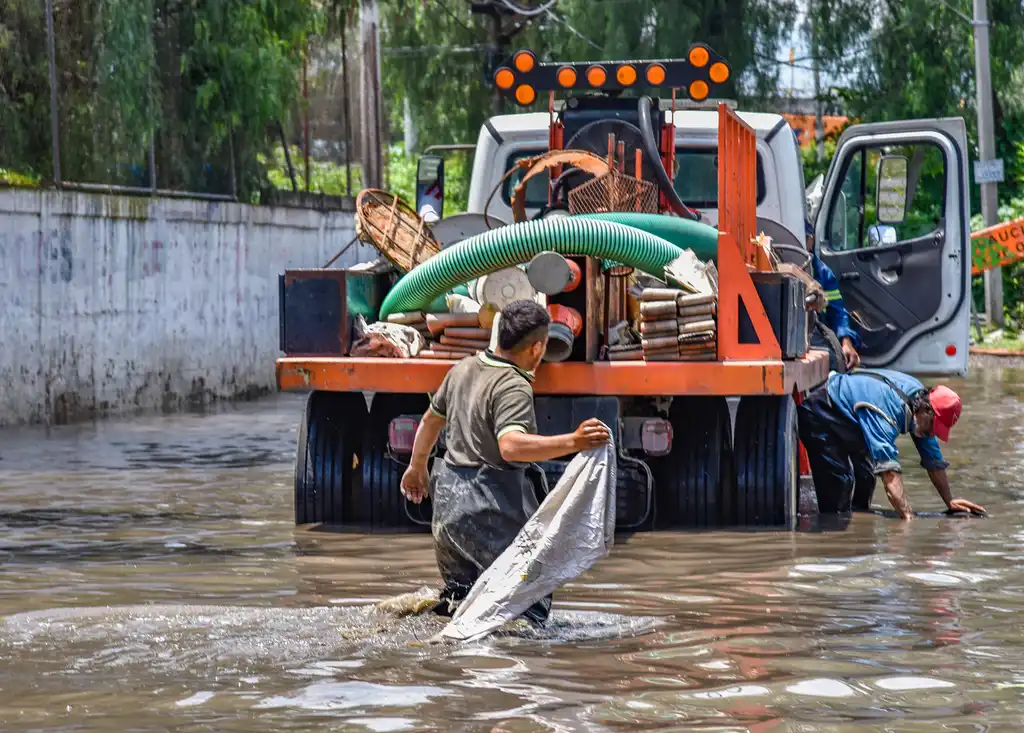
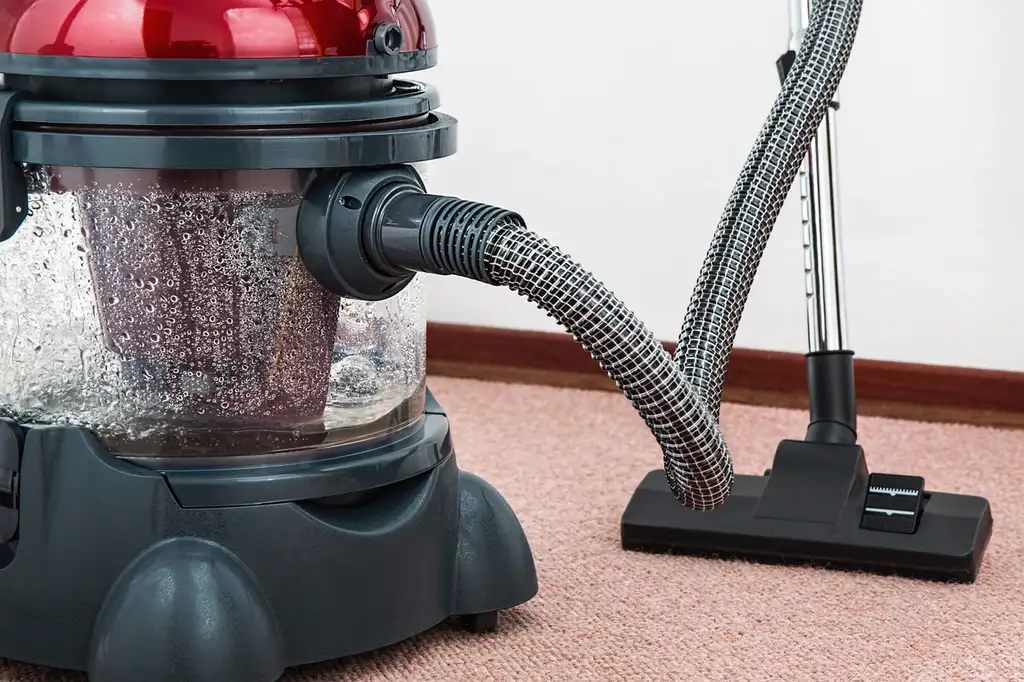
We remove standing water from carpet, hardwood, tile, and subfloor using truck-mounted extraction units and portable sump pumps. This stops the water from spreading and limits how much material has to be replaced.
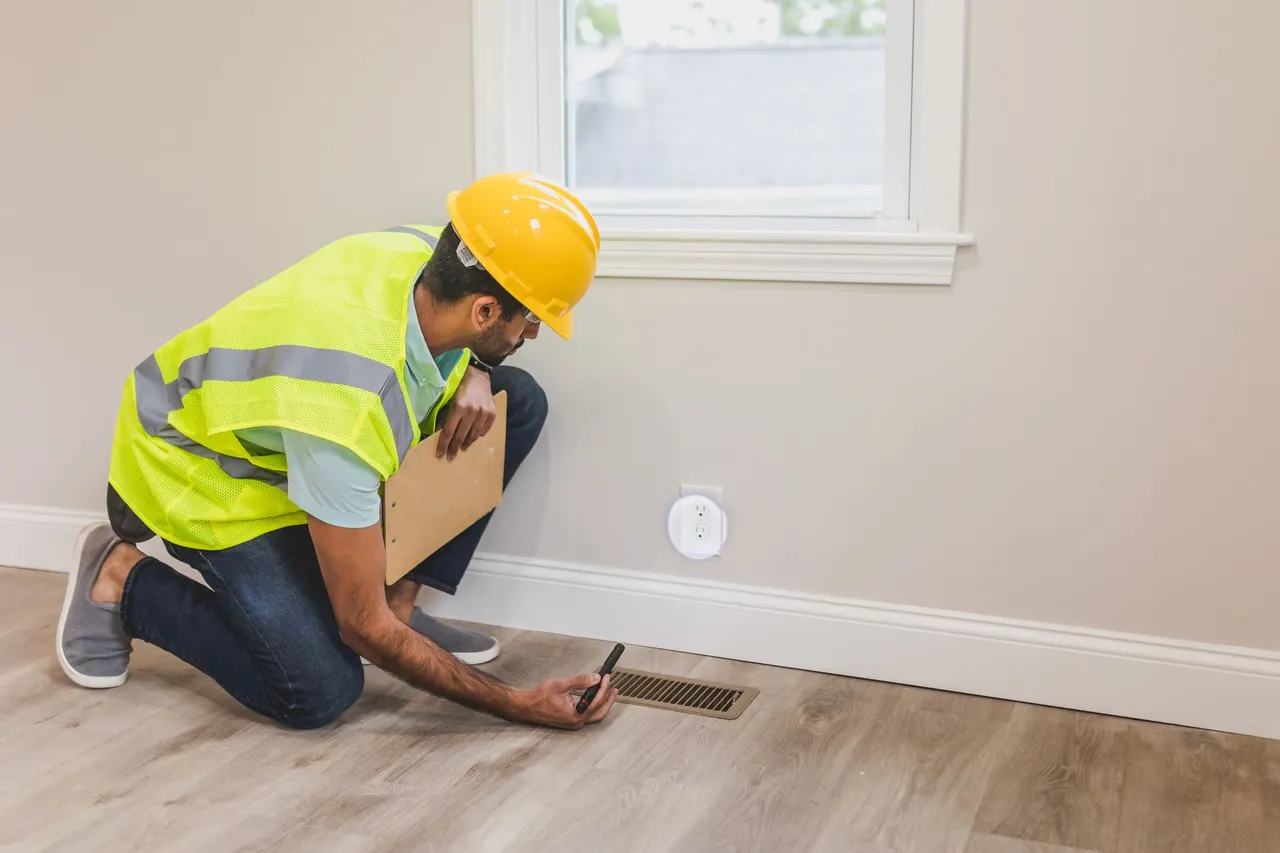
We use moisture meters, thermal imaging cameras, and hygrometers to map exactly where water traveled. You get a photo report and moisture log that your insurance adjuster can use to approve the claim.
We place Dri-Eaz and Phoenix air movers and commercial dehumidifiers to dry walls, floors, and framing. We monitor readings twice daily and adjust equipment until the structure meets IICRC dry standards.
After extraction, we apply antimicrobial solution to affected surfaces to stop mold and bacteria from growing. This is especially important after sewage backups or floodwater intrusion.
We remove and dispose of saturated carpet padding, drywall, insulation, and other materials that cannot be saved. We haul it away and leave the space clean and ready for repairs.
Once the structure is dry, we replace drywall, insulation, baseboards, hardwood flooring, carpet, and paint. We match existing finishes so the repair blends in. One crew handles the whole job.
The approach is the same for a home and a business. What changes is the access, the schedule and who needs the paperwork.
We handle water damage for homeowners and tenants across Fort Worth. From a burst pipe to a slab leak, we extract, dry, and repair.
We restore water-damaged commercial spaces for owners and property managers. We work after hours to keep your business running.
A plain-language look at what Water Damage Restoration involves and when it is needed.
See how it worksWater Damage Restoration in Fort Worth is the process of extracting standing water, drying structural materials, and repairing what the moisture ruined. It is not just a fan and a shop vac. We use moisture meters, thermal imaging cameras, and hygrometers to map exactly where water traveled behind drywall, under hardwood flooring, and into insulation. Then we pull it out with water extraction units and Dri-Eaz air movers, and we run commercial dehumidifiers until every reading matches a dry standard.
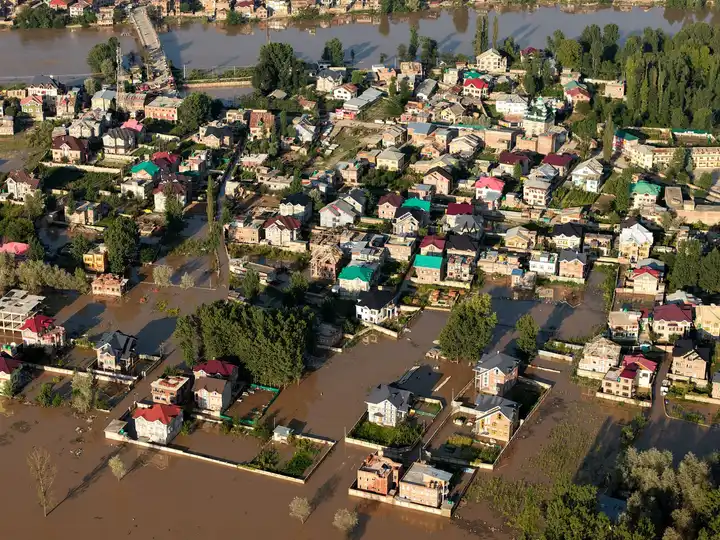
Fort Worth properties face specific water threats. Summer storm flooding pushes water through slab foundations. Winter freezes crack copper supply lines in older Fairmount and Arlington Heights homes. Slab leaks quietly soak carpet padding for weeks before you notice. Our team handles Fort Worth water damage restoration services for all of these, from a slow appliance leak under the fridge to a sewage backup that needs biohazard decontamination. If you are searching for water damage cleanup near me Fort Worth TX, we are already in your neighborhood.
Water damage gets worse by the hour. Fast extraction and documented drying save materials and money.
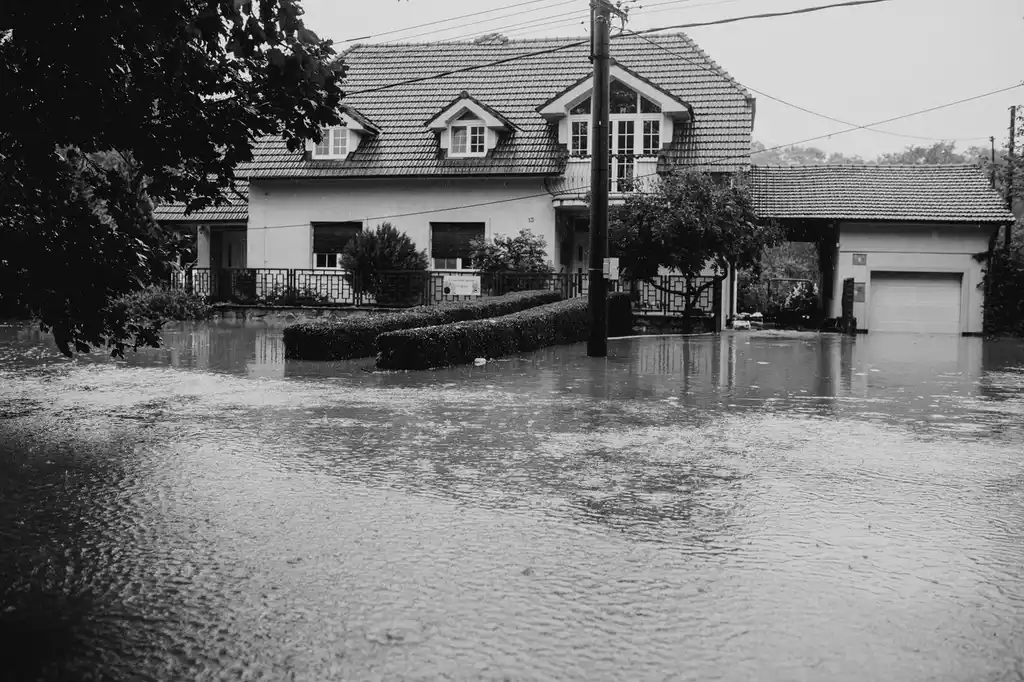
Every job follows the same five steps, whether it is a small appliance leak in the TCU Area or storm flooding across a commercial property near Sundance Square. Here is exactly what happens from the moment you call.
You call and describe what happened. We ask the right questions: is the water still running, what does it smell like, how far has it spread. We dispatch a crew immediately and stay on the line to walk you through shutting off the water main and killing power to wet areas. Most Fort Worth calls get a truck rolling within 15 minutes.
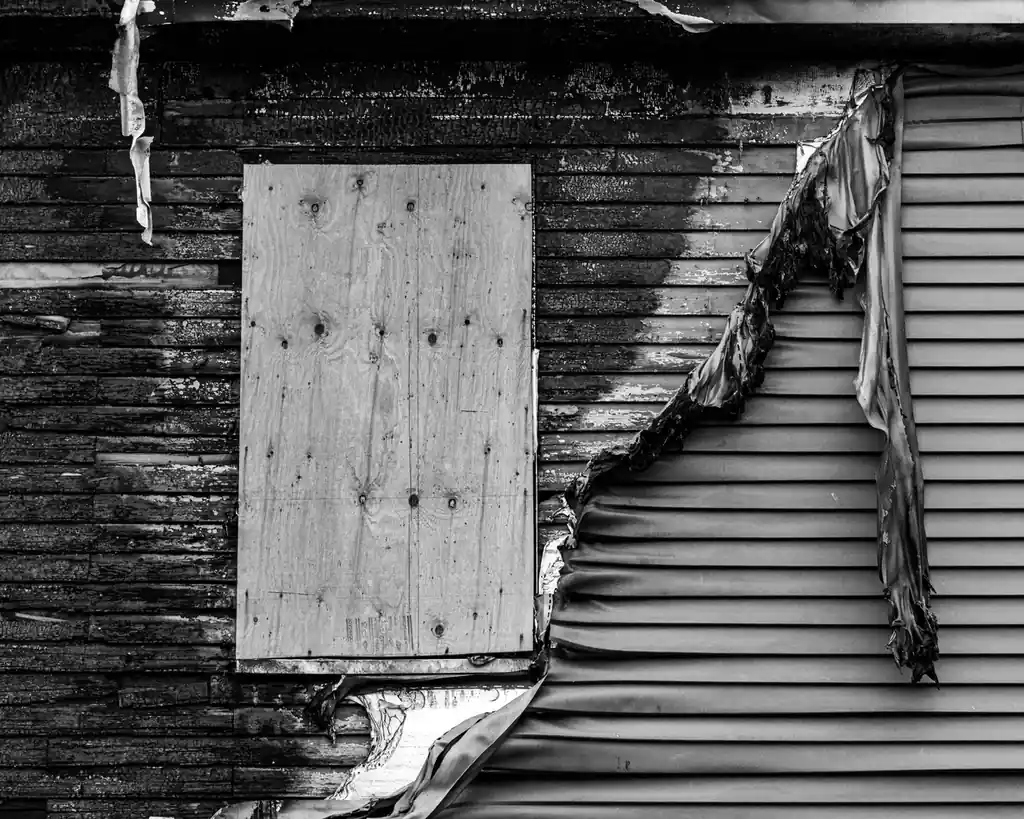
We walk the property with a moisture meter, thermal imaging camera, and hygrometer. We check behind baseboards with a boroscope and map the moisture boundary on every affected wall and floor. You get a clear picture of what is wet, what is not, and what needs to come out before drying starts.
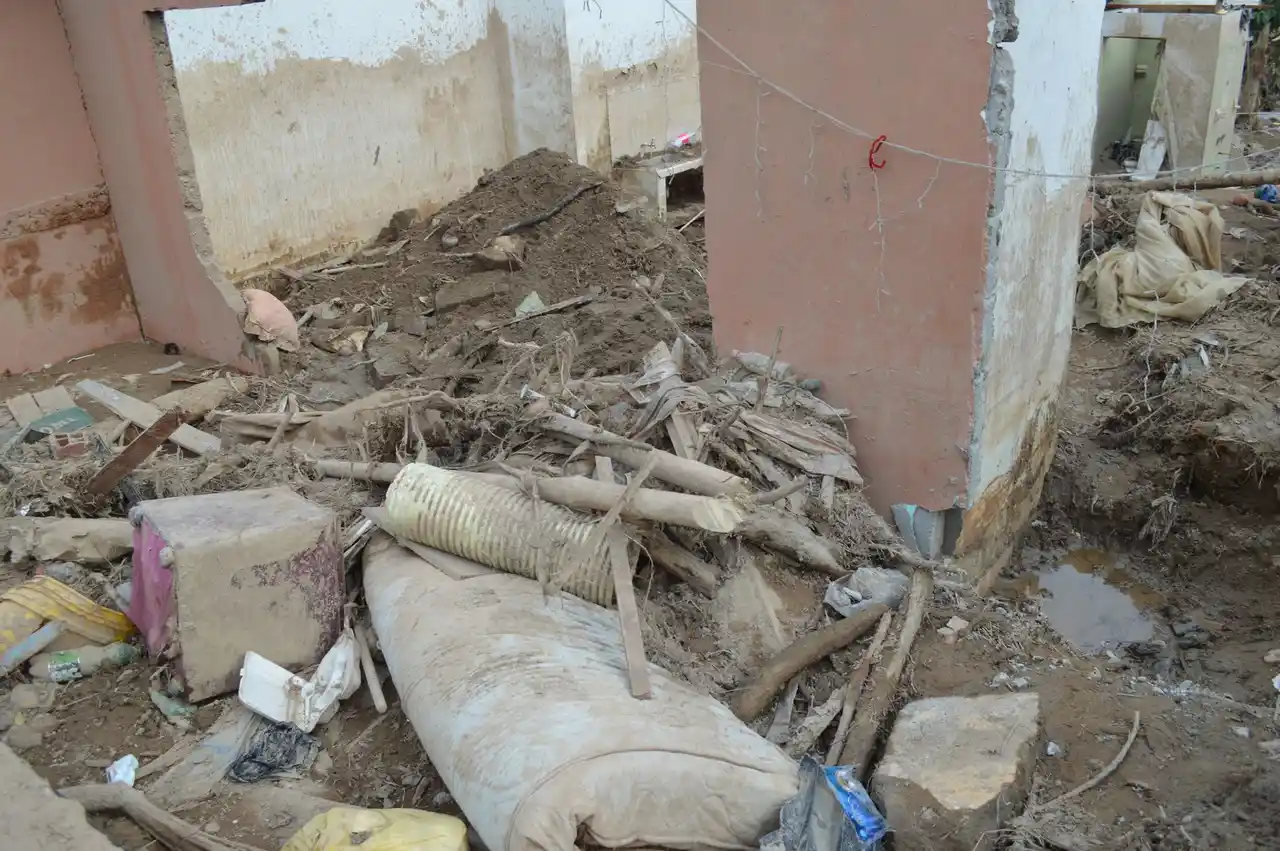
Standing water comes out first using truck-mounted water extraction units and portable sump pumps for tight spaces like crawl spaces and basements. We pull carpet and pad when saturation is too high to save. Sewage backups get an antimicrobial solution applied before anything else touches the floor.
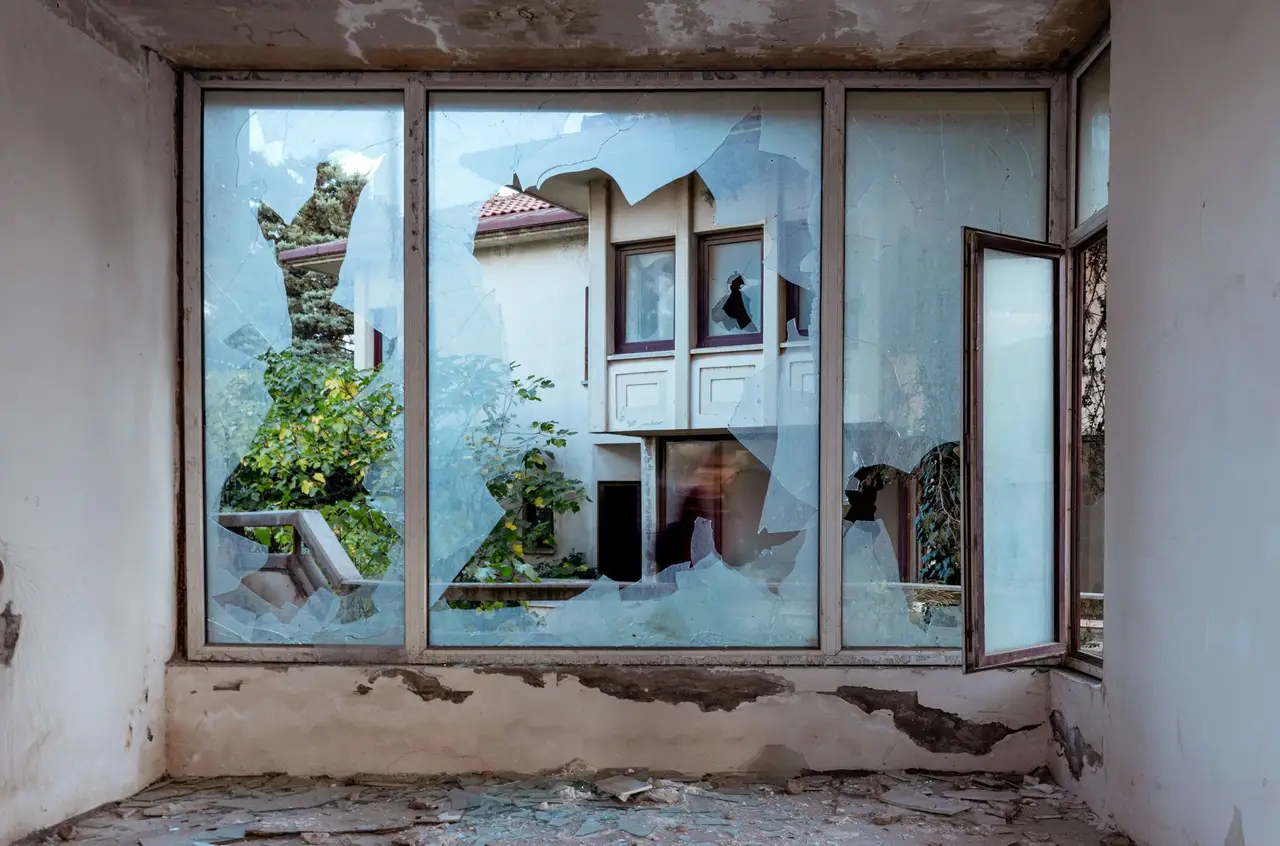
We set up Dri-Eaz and Phoenix Restoration Equipment air movers and dehumidifiers to dry the structure. Floor drying mats go down on hardwood. We monitor moisture readings twice daily and adjust equipment placement. A typical Fort Worth home takes three to five days to dry, depending on materials and how long the water sat.
Once readings confirm the structure is dry, we replace drywall, insulation, baseboards, flooring, and paint. We match existing textures and finishes. Before we leave, we do a final walk with you, show you the moisture log, and confirm everything is dry, clean, and back to normal.
Move across a circle, or focus it and press Enter, for an illustrative thermal view of the photograph.
We use pin and pinless moisture meters to check moisture content in drywall, plywood, and hardwood flooring. This tells us exactly how wet the material is and when it is dry.
Thermal imaging reveals temperature differences that show hidden moisture behind walls and under floors. We use it to map the moisture boundary without cutting into every wall.
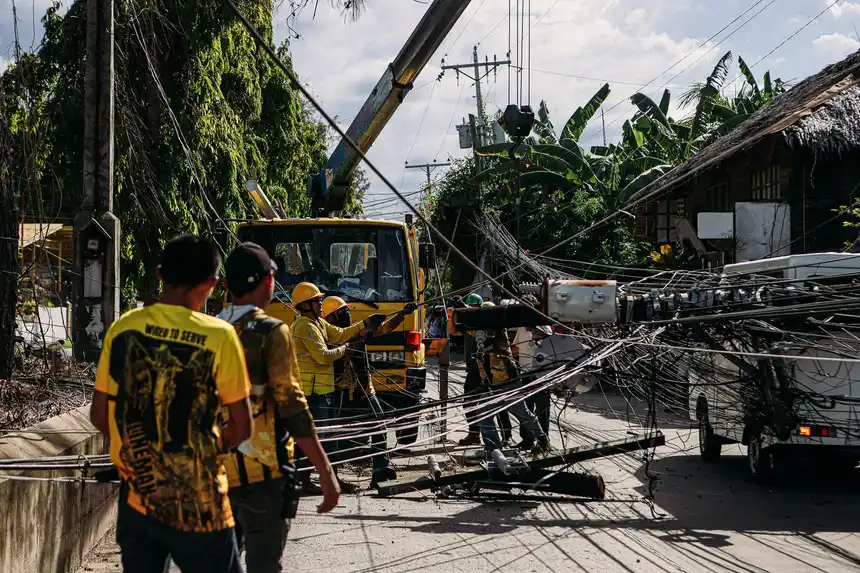
We measure relative humidity in the air and compare it to the dry standard. This tells us when to adjust dehumidifier settings and when the structure is ready for repairs.
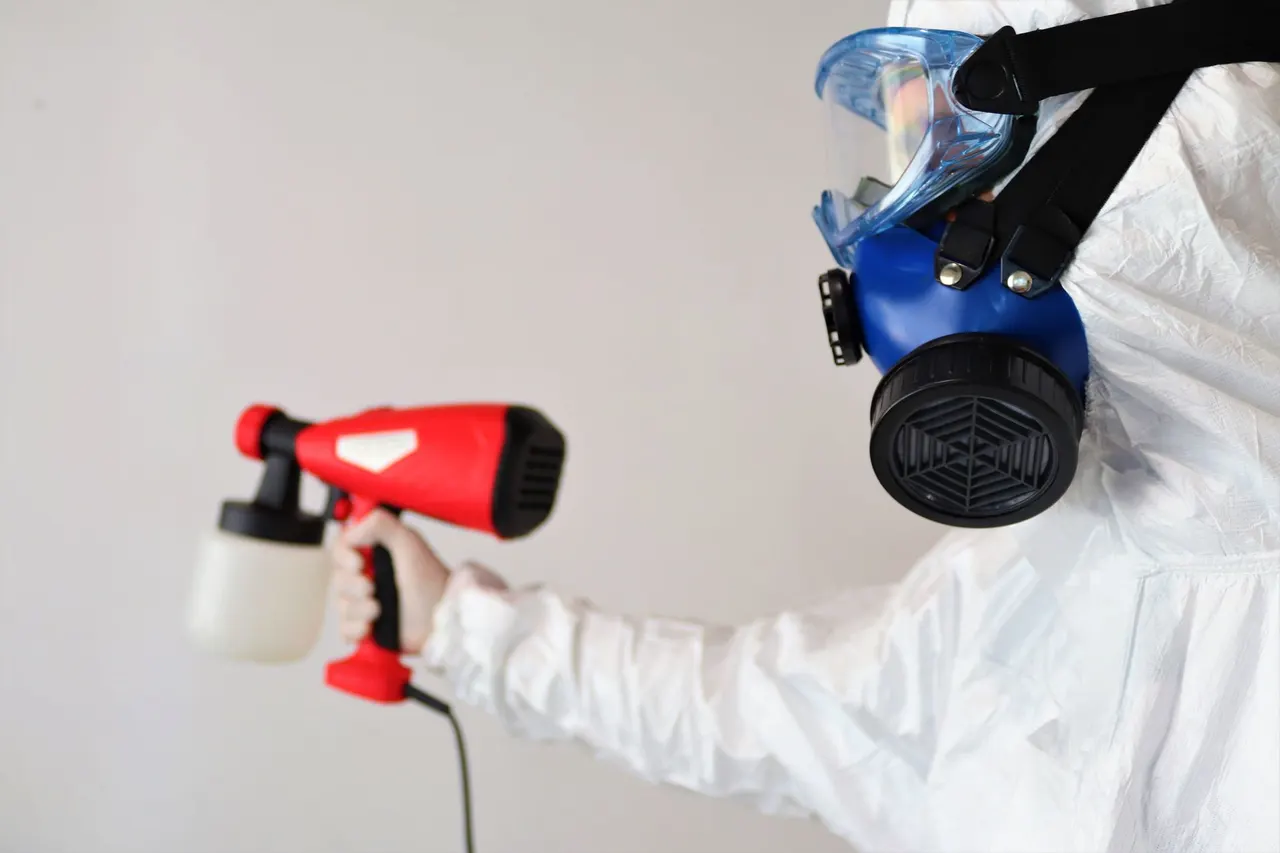
High-velocity air movers circulate air across wet surfaces to speed evaporation. We position them based on moisture readings and adjust placement daily.
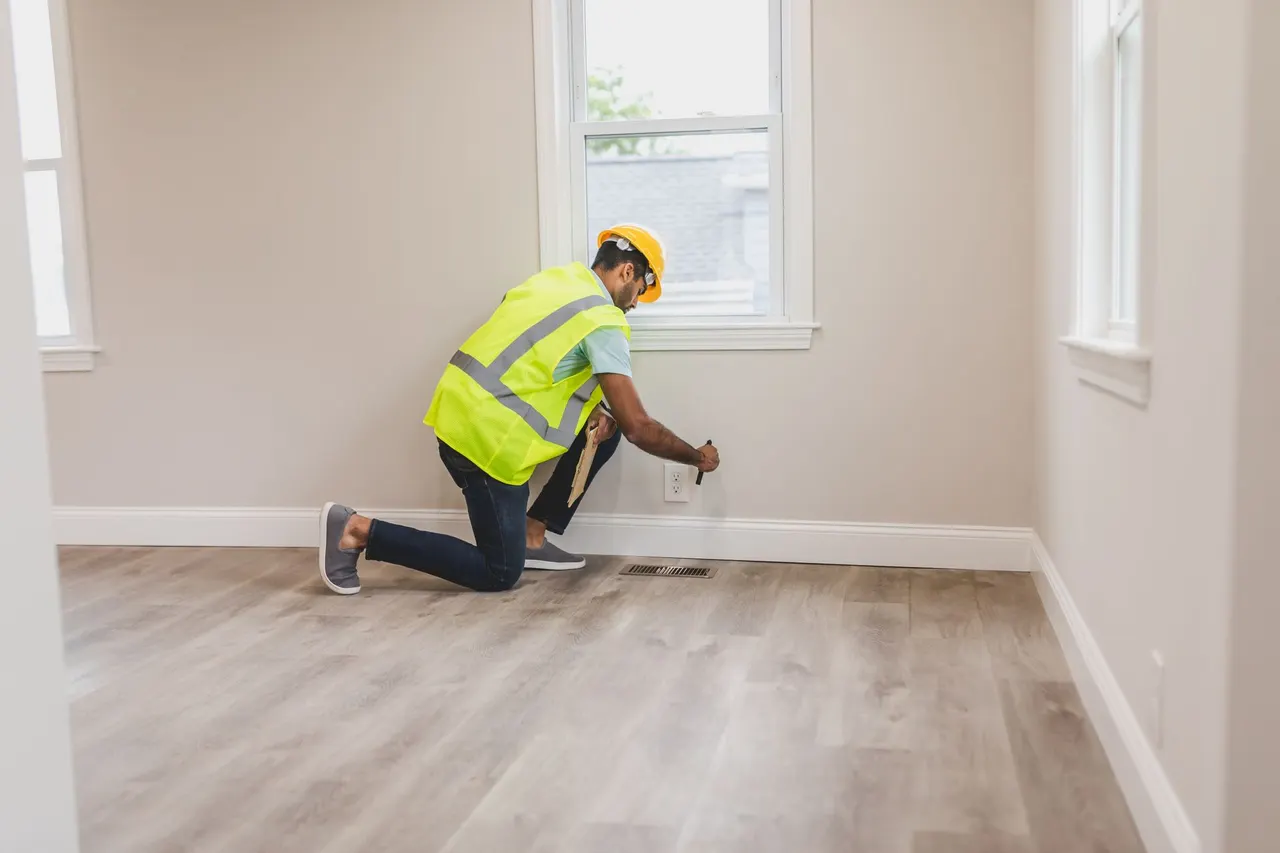
We pull moisture out of the air so wet materials can release their water. We size units to the cubic footage of the affected space and run them until humidity drops to target levels.
Thermal views are illustrative, generated from the photographs.
Truck-mounted and portable extraction units pull standing water out of carpet, hardwood, and subfloor. We use weighted extraction heads to pull water from deep in the carpet pile.
A boroscope lets us see behind baseboards and inside wall cavities without tearing everything out. We use it to confirm moisture and check for mold growth in hidden spaces.
We follow the IICRC S500 standard for water damage restoration. This means we classify the water, categorize the loss, and dry to a documented standard. We do not pull equipment until readings confirm the structure is dry.
We map the moisture boundary on every affected wall and floor using a moisture meter and thermal imaging camera. This tells us exactly where to place equipment and when to stop drying.
We log moisture readings twice a day in drywall, plywood, and flooring. If readings are not dropping, we adjust equipment placement or add more air movers. You get a copy of the log for your records.
After extraction, we apply antimicrobial solution to affected surfaces. This stops mold and bacteria from growing while the structure dries. It is especially important after sewage backups or floodwater intrusion.
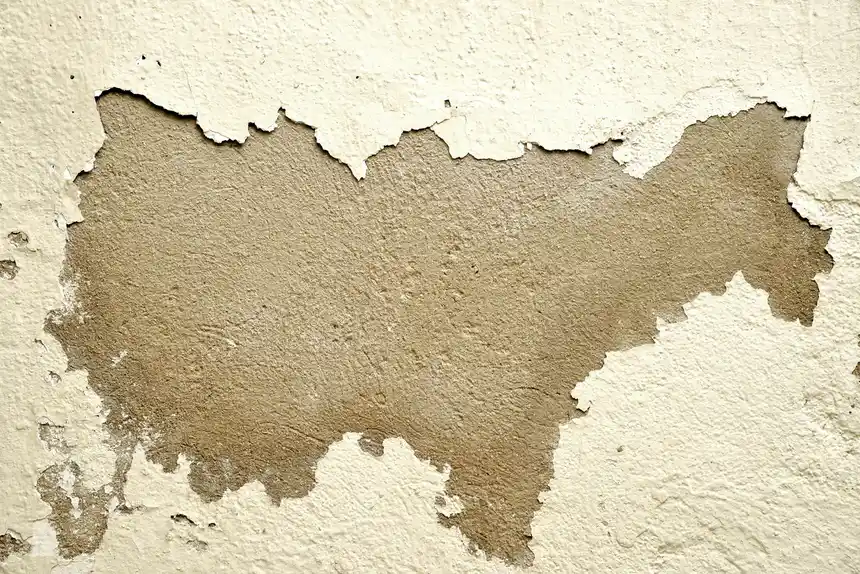
A frozen pipe bursts in an Arlington Heights bungalow during a January freeze.
We shut off the water, extract what pooled in the kitchen and hallway, and dry the hardwood and drywall.
Outcome: The home is dry in four days. The hardwood is saved. The plumber repairs the line and we finish the drywall and paint.
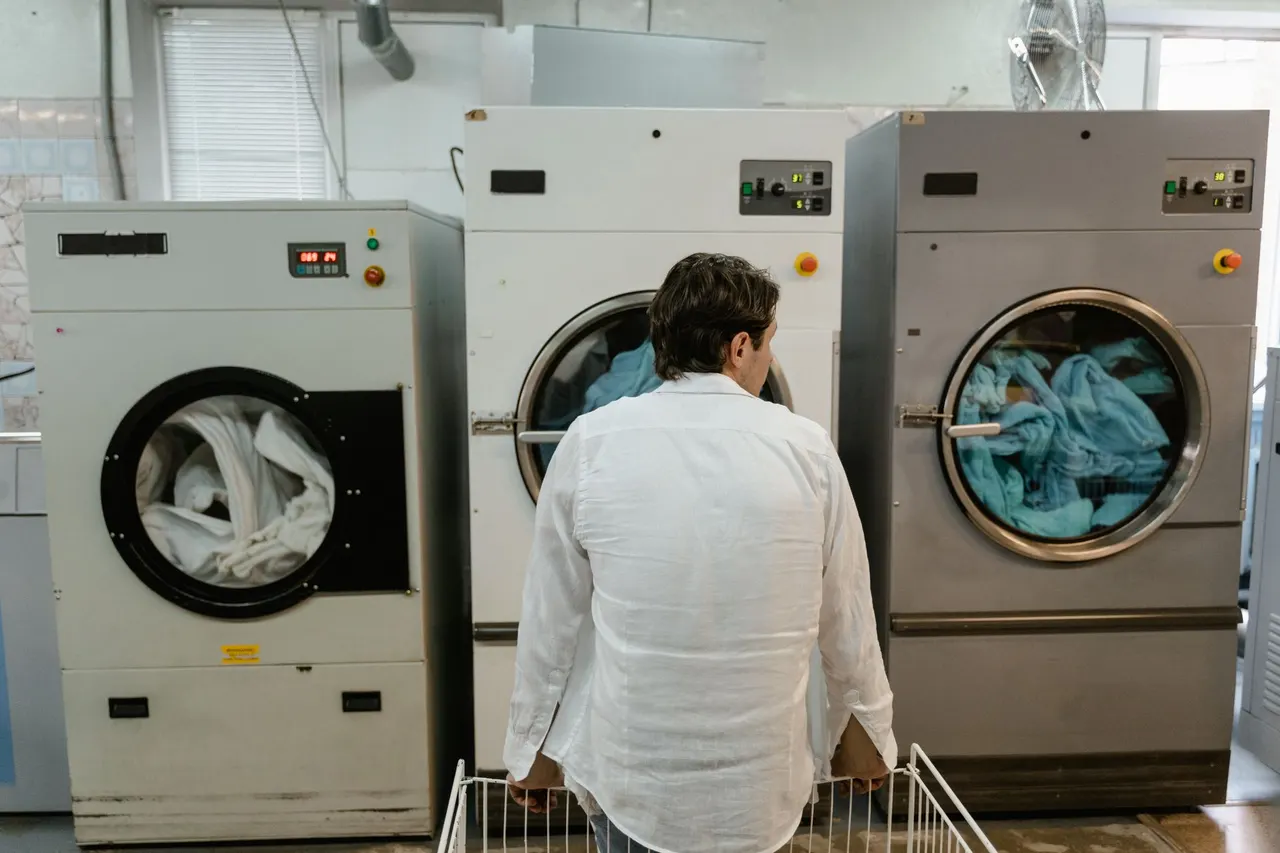
A washing machine supply line fails in a Near Southside home while the owners are at work.
We extract water from the laundry room, hallway, and adjacent bedroom. We pull the carpet and pad, dry the subfloor, and treat for mold behind the baseboards. We replace the pad and carpet after drying.
Outcome: The subfloor dries in three days. New carpet goes down on day five. The owners are back in the bedroom that weekend.
A storm pushes water through a cracked foundation in a West 7th commercial space.
We extract water from the concrete floor, dry the walls and any affected inventory, and document everything for the commercial claim. We work after hours so the business does not lose a day of operation.
Outcome: The space is dry in two days. The insurance claim is approved with our Xactimate estimate. The business reopens without interruption.
A slab leak soaks the carpet in a TCU Area rental property.
We detect the leak with thermal imaging, coordinate with the plumber to repair the line, and dry the slab and carpet. We document everything for the landlord and tenant.
Outcome: The leak is fixed, the carpet is dried and saved, and the landlord has a full report for the insurance claim.
Fort Worth sits on clay soil that shifts with moisture, which is why slab leaks are so common here. Summer storms drop heavy rain fast, and the ground cannot absorb it, so water pushes against foundations and finds cracks. Winter freezes crack copper supply lines in older homes, especially in Fairmount and Arlington Heights where the plumbing is original.
We know the building stock: pier-and-beam bungalows in Near Southside, slab-on-grade ranches in West 7th, and new construction in the TCU Area. Each one dries differently. We also work with Tarrant County code requirements and Texas Department of Insurance regulations on every claim. If you need emergency water damage restoration Fort Worth TX, we are already nearby.
Our trucks carry extraction units, air movers, and dehumidifiers so we can start work the moment we arrive.
Before: A supply line burst under the kitchen sink overnight. Water soaked the hardwood floor, baseboards, and lower drywall in two rooms. The homeowner woke up to standing water and called us at 6 a.m.
After: We extracted the water, dried the hardwood with floor drying mats, and replaced the saturated drywall and baseboards. Moisture readings confirmed the structure was dry in four days. The hardwood was saved.
We recommended a water alarm under the sink and an annual inspection of supply lines. The homeowner also added a shut-off valve for the kitchen line.
Before: A sewage line backed up into a bathroom and hallway. Contaminated water soaked the tile grout, drywall, and vanity cabinet. The smell was overwhelming and the homeowner could not use the bathroom.
After: We contained the area, removed contaminated materials, applied antimicrobial solution, and dried the structure. We replaced the drywall, vanity, and flooring. The space was clean and odor-free in five days.
We recommended a yearly sewer line inspection and a backflow preventer to stop future backups. The homeowner also switched to a water alarm in the bathroom.
Before: A slab leak soaked the carpet in a bedroom and hallway of a rental property. The tenant noticed a musty smell and soft flooring. The landlord called us to assess and document the damage.
After: We detected the leak with thermal imaging, coordinated with a plumber to repair the line, and dried the slab and carpet. The carpet was saved. We provided a full report for the landlord's insurance claim.
We recommended the landlord check for slab leaks annually and install a moisture sensor in the bedroom. The tenant was given instructions to report any new musty smells immediately.
Water damage does not fix itself. It gets worse, spreads further, and costs more the longer you wait. Here are the most common problems we see and what happens if you ignore them.
Fast extraction and documented drying save flooring, drywall, and money.
When you call at 2 a.m. because a supply line burst under the sink, we dispatch immediately and arrive with a water extraction unit and sump pump ready to work. That first hour is when we save the most flooring, drywall, and baseboards.
We document everything with photos, moisture readings, and an Xactimate estimate that adjusters recognize. You do not have to argue about what was wet or how long drying should take. We bill your carrier directly and explain your coverage in plain language before you sign anything.
That means we dry to a documented standard, not by feel. We log moisture content in drywall, plywood, and carpet padding twice a day and do not pull equipment until the structure is genuinely dry.
We replace drywall, insulation, baseboards, hardwood flooring, and paint after the structure is dry. One crew handles the whole job. You are not stuck finding a separate drywall guy and painter while your kitchen sits torn apart for another two weeks.
Clear records you can keep and share.
Daily readings in drywall, wood, and air
Before, during, and after documentation
Line-item estimate for your adjuster
Final readings confirming structure is dry
Not all water damage is the same. The category of water determines how we handle materials and safety.
From supply lines, rain, or appliances
From washing machines or dishwashers
From sewage or floodwater
A list like this tells people straight away whether you cover their street. Not listed? Call and ask: it only takes a minute.
Based in Fort Worth and covering the places around it. Pick one for local details.
Your insurance often covers most of it. We provide a written estimate before work begins.
We do. Our crews are stationed across Fort Worth and Tarrant County, including ZIP codes 76164, 76040, 76134, 76135, 76137, and 76131. Call and we will dispatch the nearest crew, usually within 15 minutes of your call.
Most Texas homeowners policies cover sudden and accidental water damage, like a burst pipe or appliance failure. They typically do not cover gradual leaks or flooding from outside, which needs a separate flood policy. We work directly with your adjuster, provide Xactimate estimates, and document everything with photos and moisture readings. We can explain your coverage before you file.
Extraction takes a few hours. Structural drying usually takes three to five days for a typical Fort Worth home, depending on materials and how long the water sat. Repairs add another three to ten days if drywall, flooring, or paint need replacing. We give you a written timeline after the initial inspection so you know what to expect.
Other services from the same team.
Water spreads fast. Every hour you wait, more flooring, drywall, and insulation gets ruined. We bill your insurance directly.
Call +1 817-270-9150 any time, day or night. We answer, ask a few questions about the source and the rooms affected, and dispatch a crew. If you prefer email, send photos and your address to info@fortworthrestorations.com and we will follow up with next steps.