For Homes and Rentals
We handle mold in houses, condos, and rental units across Fort Worth. You get a clear scope and a timeline before work begins.
- Musty smell in a bedroom
- Mold on bathroom ceiling
- Damp crawl space under house
We handle mold removal in Fort Worth for homeowners, landlords, and property managers across Tarrant County. Call and we'll map the moisture, contain the growth, and give you a clear plan the same day.
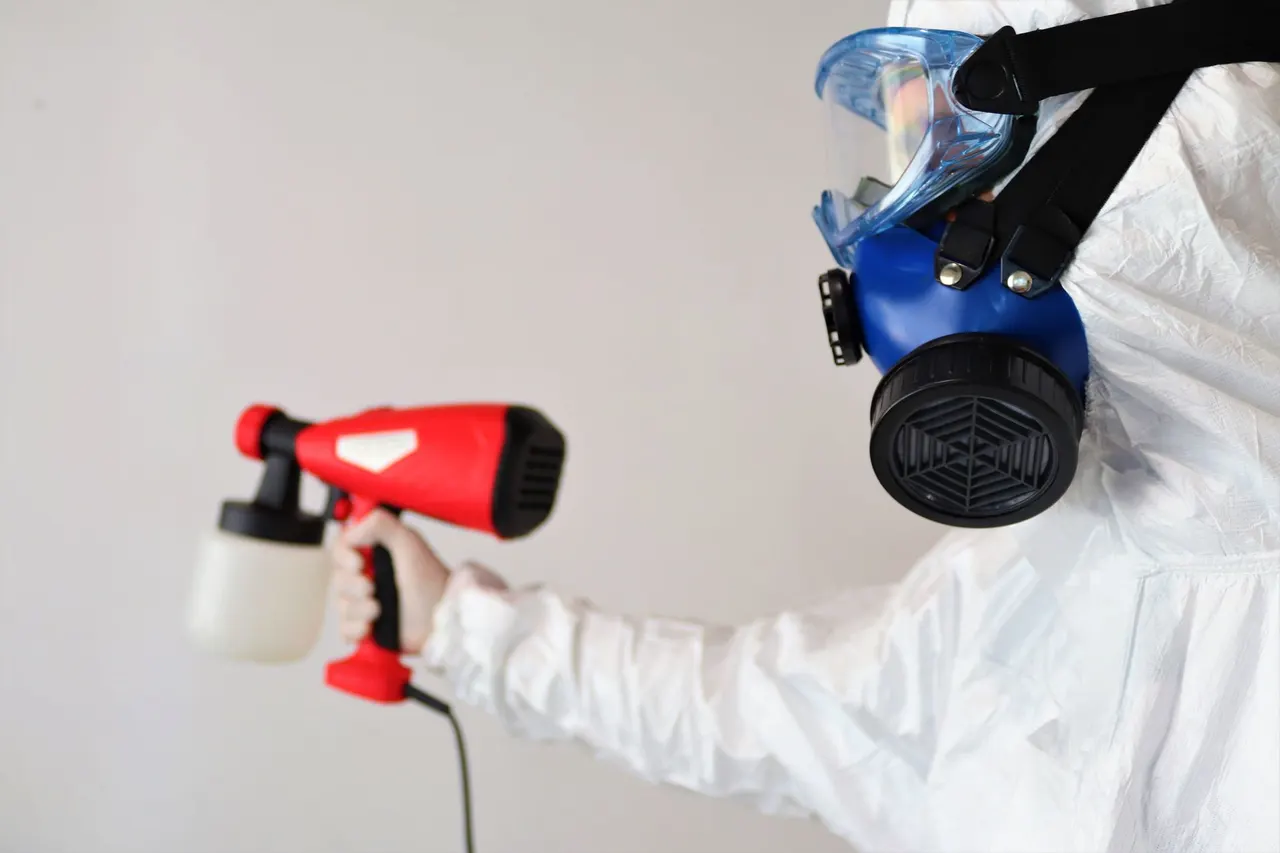 Moisture mappingContainment setupDaily drying logs
Every mold remediation Fort Worth TX project starts with a full inspection and a written scope. Here's what's included in a standard job, and what we handle as an add-on when conditions call for it.

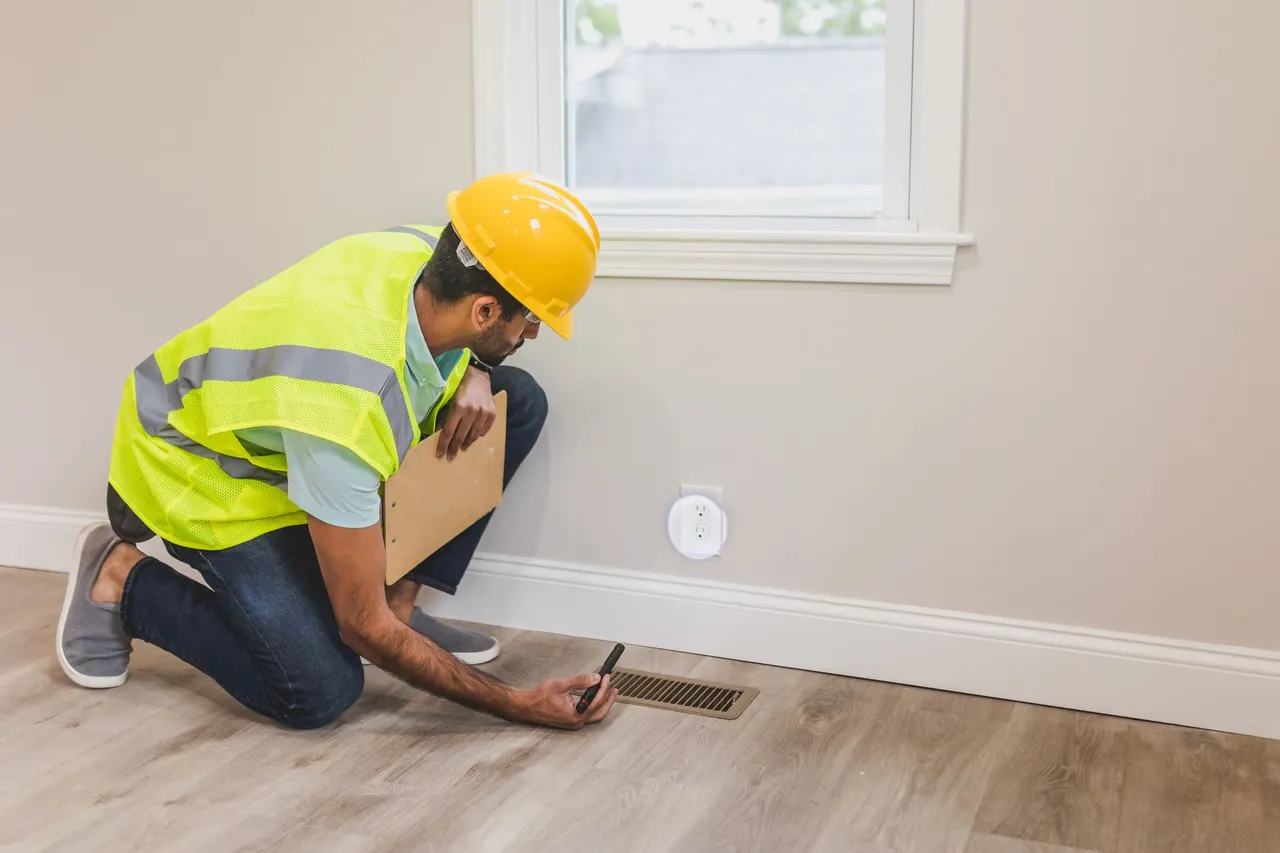
We inspect with moisture meters, thermal imaging cameras, and boroscopes to find hidden mold and water. You get a written report with photos and moisture readings. That report guides the scope of work.
We seal off the work area with poly sheeting and run HEPA air scrubbers under negative pressure. This keeps spores from spreading to clean rooms. We also protect floors and set up a decontamination zone.
Contaminated drywall, insulation, carpet padding, and baseboards are removed and bagged. We HEPA-vacuum all surfaces and apply antimicrobial solution to framing. Materials are disposed of per Texas regulations.
We set Dri-Eaz and Phoenix air movers and dehumidifiers to dry the structure. A hygrometer tracks moisture daily until readings hit dry standard. Most Fort Worth homes dry in three to five days.
After drying, we do a final moisture check and visual inspection. You get a written clearance report with photos and readings.
The approach is the same for a home and a business. What changes is the access, the schedule and who needs the paperwork.
We handle mold in houses, condos, and rental units across Fort Worth. You get a clear scope and a timeline before work begins.
We remediate mold in offices, retail spaces, and multi-family buildings. We schedule around your hours and document for property claims.
A plain-language look at what Mold Remediation involves and when it is needed.
See how it worksMold Remediation Fort Worth TX is the process of containing, removing, and treating mold growth so your indoor air and building materials are safe again. It starts with moisture mapping using a thermal imaging camera and hygrometer to find every wet pocket behind drywall, under hardwood flooring, and inside crawl spaces. From there we set containment, run HEPA air scrubbers, remove affected materials, apply antimicrobial solution, and dry the structure with Dri-Eaz and Phoenix Restoration Equipment until readings match dry standard.
Fort Worth homes deal with mold after slab leaks, burst pipes, sewage backups, and storm flooding. Our humid springs and hot summers push indoor humidity past 60 percent, which is all mold needs to colonize drywall, carpet padding, and baseboards within 24 to 48 hours.
Mold remediation removes mold and the moisture that feeds it, so it doesn't come back.
Every job follows the same five steps, whether it's a small bathroom ceiling or a whole crawl space. Here's what you can expect from the first call to the final clearance check.
A technician arrives with a moisture meter, thermal imaging camera, and boroscope to trace the water source and map mold growth. We check behind baseboards, inside wall cavities, and under flooring. You get a written assessment and photos the same day.
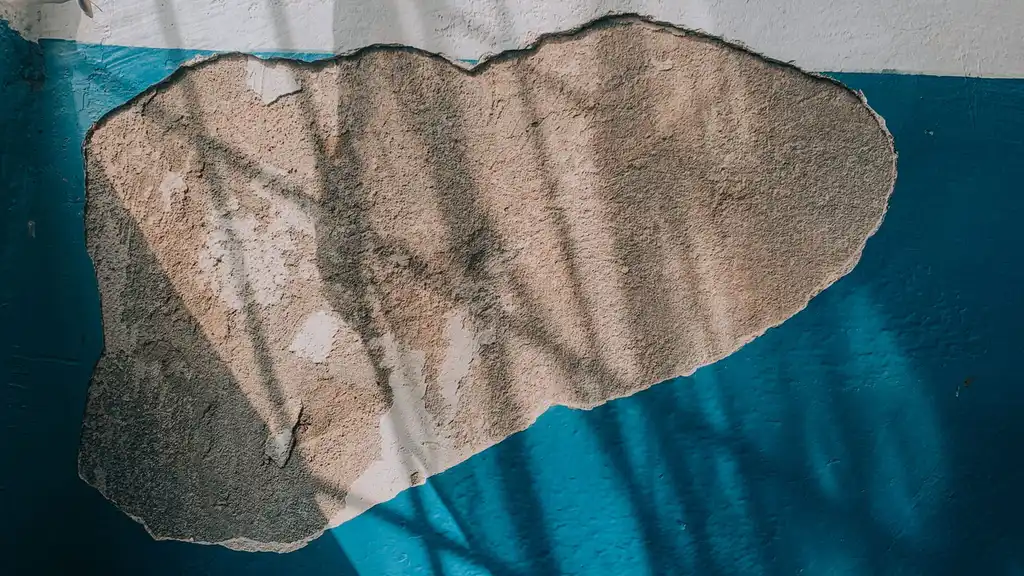
We seal off the work area with 6-mil poly sheeting and set negative air pressure using HEPA air scrubbers. This keeps mold spores from spreading to clean rooms. We also lay floor protection and set up a decontamination chamber for our crew.
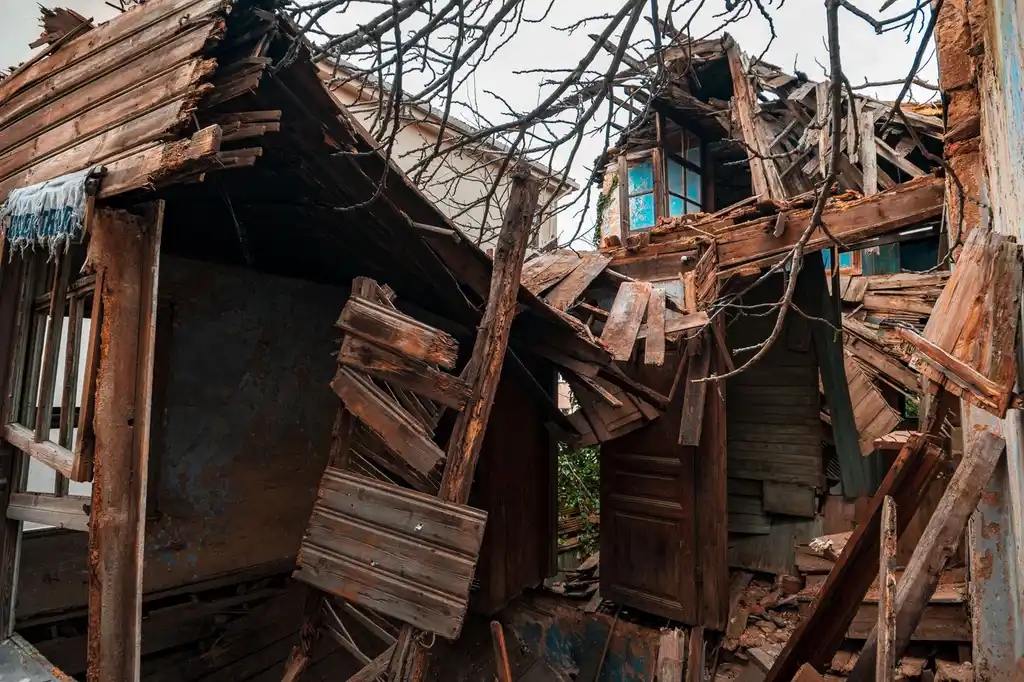
Contaminated drywall, insulation, carpet padding, and baseboards come out and go into sealed bags. We HEPA-vacuum every surface, then apply antimicrobial solution to framing and remaining materials. This step usually takes one to three days depending on scope.

We position Dri-Eaz and Phoenix air movers and dehumidifiers to dry the structure. A hygrometer tracks moisture content daily until readings hit dry standard. Most Fort Worth homes dry in three to five days. We adjust equipment as needed.

Once drying is complete, we do a final moisture check and visual inspection. We provide a written clearance report with photos and readings.
Move across a circle, or focus it and press Enter, for an illustrative thermal view of the photograph.
Reveals temperature differences that indicate hidden moisture behind walls and under floors. We use it to map the full extent of water intrusion before we start removal.
Measures moisture content in drywall, wood, and air. We track readings daily during drying to confirm the structure is returning to dry standard.
A camera on a flexible rod that lets us see inside wall cavities and crawl spaces without tearing everything open. We use it to confirm mold growth behind baseboards.
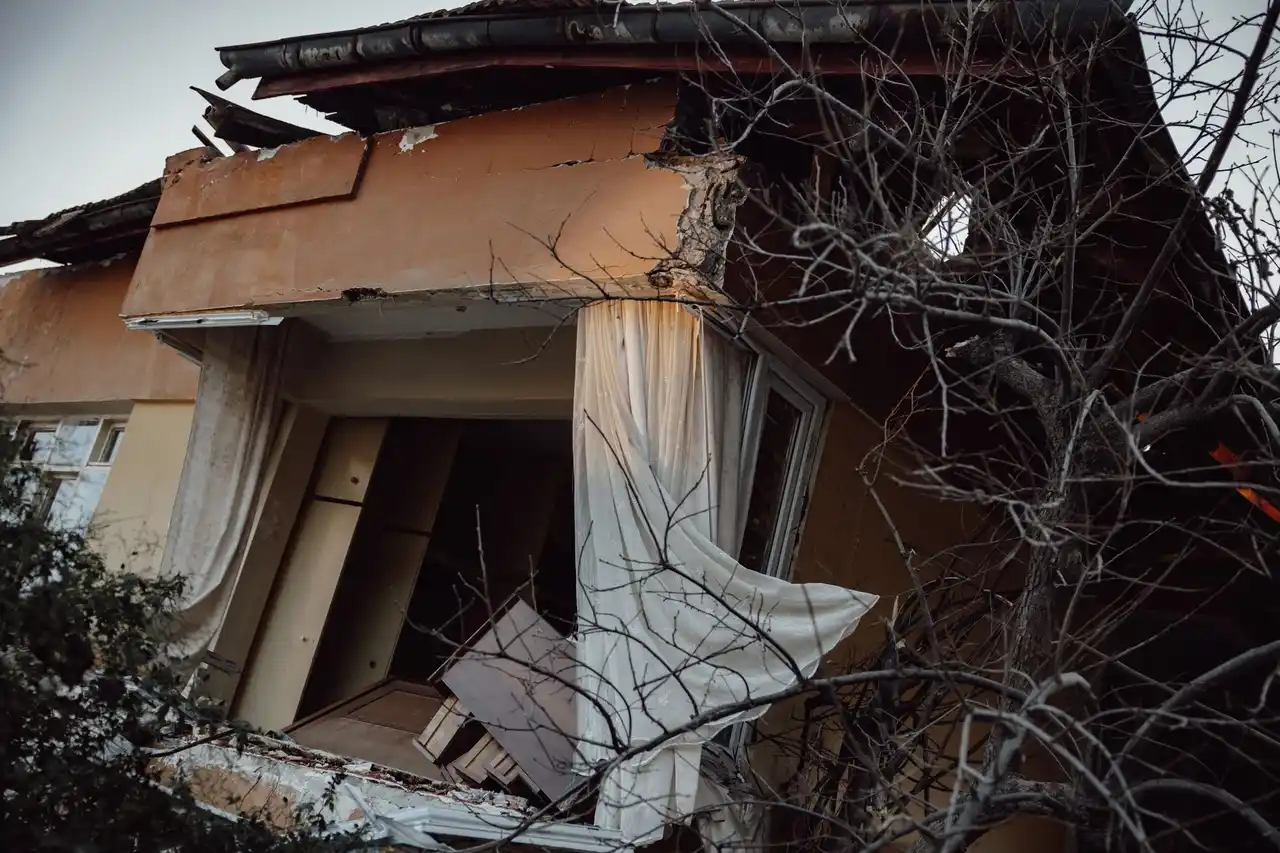
Pull moisture from the air and materials. We size units to the job and run them until hygrometer readings show the structure is dry.

Filter mold spores and dust from the air. We run them under negative pressure inside containment to keep spores from spreading to clean rooms.
Thermal views are illustrative, generated from the photographs.
High-velocity fans that evaporate moisture from surfaces. We position them to create a vortex that dries walls and floors evenly.
Applied to framing and remaining materials after mold removal. It stops mold from regrowing on surfaces that stay in place.
We follow the IICRC S520 standard for mold remediation, which covers containment, removal, cleaning, and clearance. It's the industry benchmark for doing the job right.
We seal the work area and run HEPA scrubbers to create negative pressure. This keeps mold spores from escaping into clean areas of your home.
We combine thermal imaging with moisture meters to create a map of wet areas. That map tells us exactly where to contain and remove mold, so we don't take out more than necessary.
We log moisture readings every day during drying. You get a record showing the structure is drying on schedule. If readings stall, we adjust equipment.
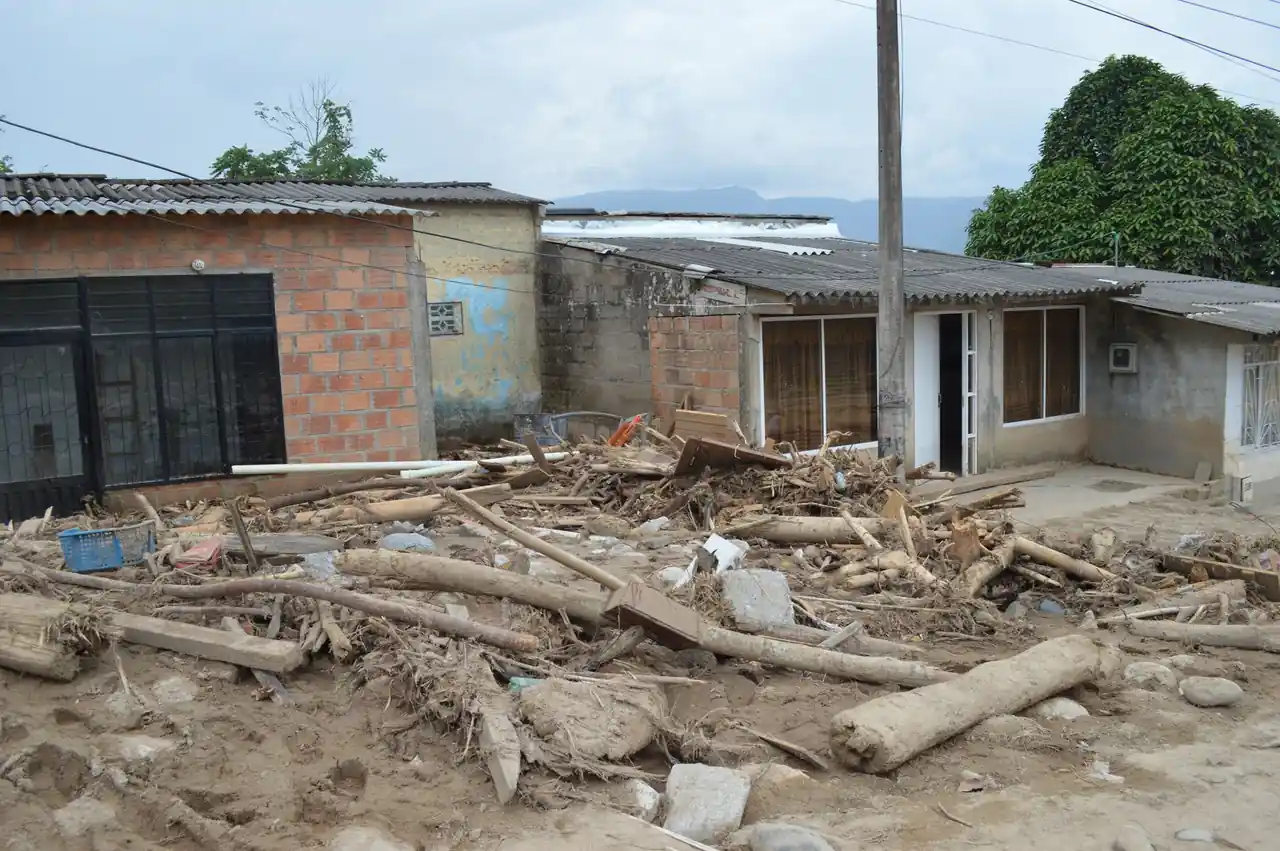
You had a pipe burst over the weekend and the wall stayed wet for three days.
We extract remaining water, open the wall cavity, and dry it with air movers. Then we inspect for mold and treat any growth with antimicrobial solution. We document everything for your insurance claim.
Outcome: Your wall is dry, mold-free, and ready for drywall repair. You have a clearance report for your records.
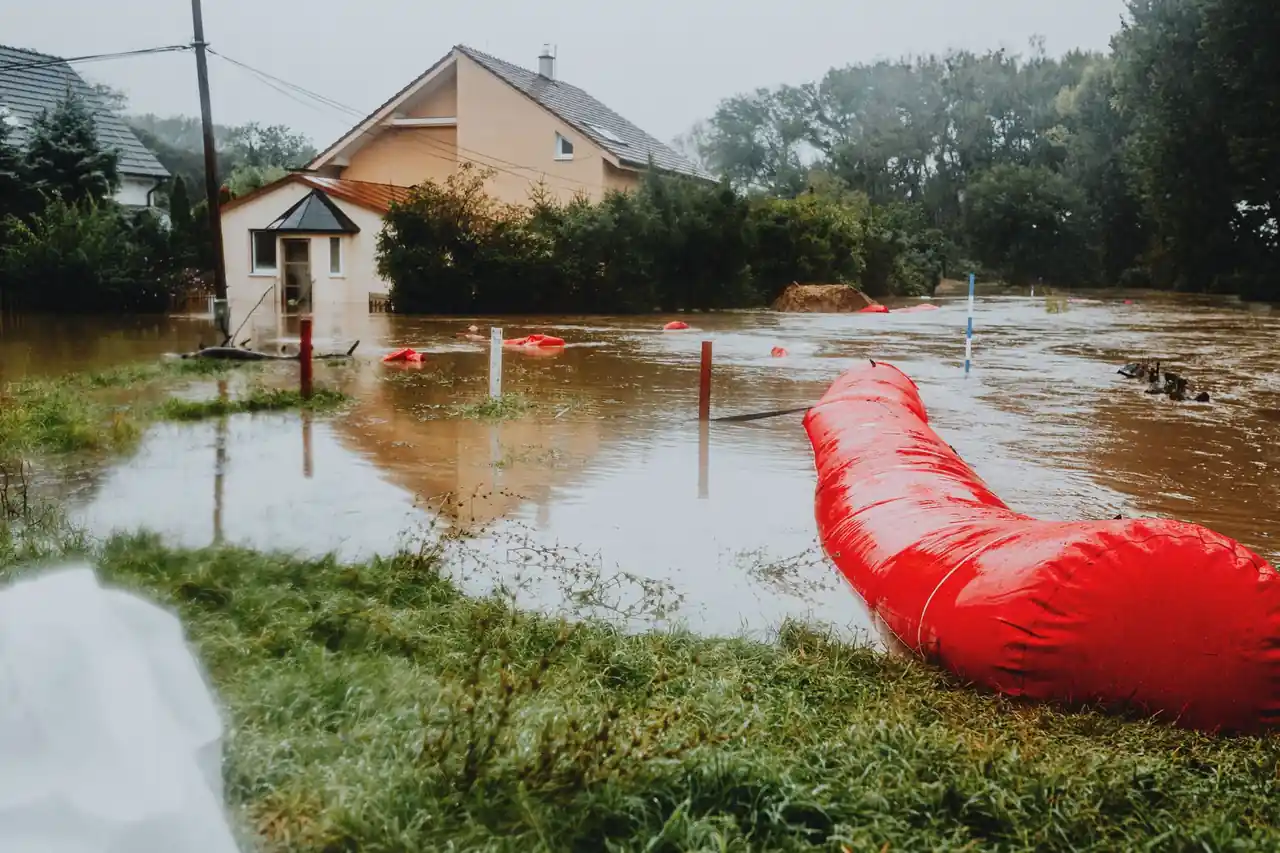
Your crawl space smells musty and you've noticed mold on the joists.
We suit up, enter the crawl space, and remove standing water. We dry the space with dehumidifiers and treat joists and subfloor with antimicrobial solution. If needed, we install a sump pump.
Outcome: The musty odor is gone, structural wood is dry, and mold growth has stopped. You get a report with moisture readings.
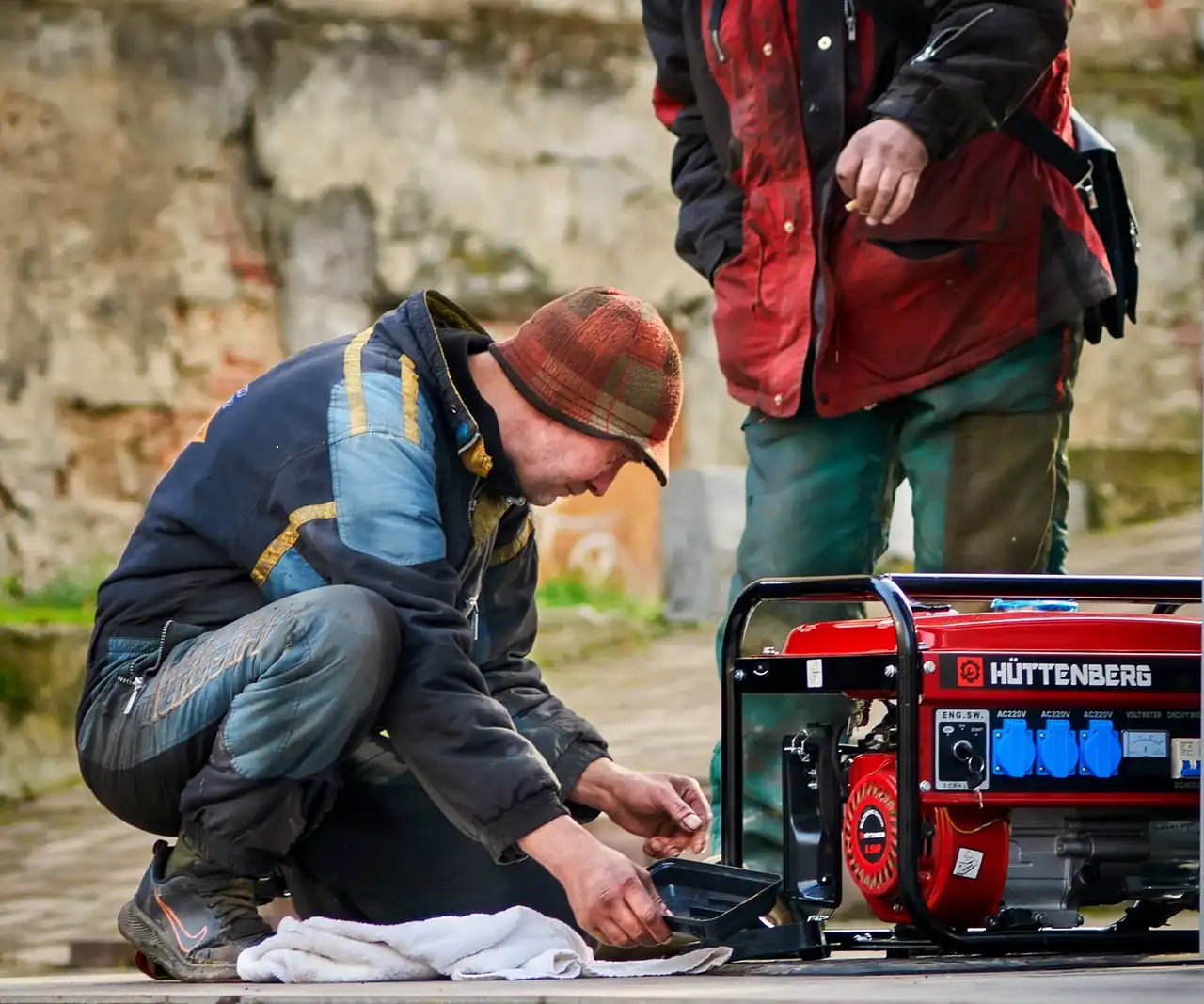
A sewage backup flooded your basement and you're worried about black mold.
We treat the area as Category 3 water, extract and dispose of contaminated materials, and disinfect with EPA-registered products. Then we dry the space and treat for mold.
Outcome: Your basement is decontaminated and dry. Mold never gets a chance to grow.

You're buying a home in Fort Worth and the inspection found mold in the attic.
We inspect the attic with thermal imaging, identify the roof leak or ventilation issue, and provide a remediation scope. We remove affected insulation and treat framing.
Outcome: The attic is mold-free and the roof leak is repaired. You can move forward with your purchase.
Fort Worth's climate creates mold year-round. Spring rains push humidity above 70 percent, and summer heat keeps attics and crawl spaces warm and damp. Older homes in Fairmount and Arlington Heights often have pier-and-beam foundations, which trap moisture in crawl spaces. Newer slab-on-grade homes in West 7th and the TCU Area can develop mold after slab leaks or slow appliance leaks.
We know these patterns because we work here every day. When you call for mold remediation near me Fort Worth, we bring the right equipment for your foundation type and document the job for Texas Department of Insurance carriers. We also coordinate with TDLR-registered mold assessors if you want third-party clearance testing.
From Downtown Fort Worth to ZIP code 76137, we handle mold cleanup and removal Fort Worth with local crews who know the housing stock.
Before: A roof leak soaked the bathroom ceiling for two weeks before the homeowner noticed black mold spreading across the drywall. The attic insulation was damp and the musty odor had reached the bedroom.
After: We repaired the roof leak, contained the bathroom, and removed the affected drywall and insulation. After three days of drying and antimicrobial treatment, moisture readings were back to dry standard. The ceiling was rebuilt and painted.
Check your roof after every major storm and keep attic vents clear. Fix any ceiling stains promptly to prevent mold from returning.
Before: A slab leak under a Fairmount bungalow sent water into the crawl space for a month. Joists were covered in white and black mold, and the house smelled musty. The homeowner was worried about structural damage.
After: We removed standing water, dried the crawl space with dehumidifiers, and treated every joist with antimicrobial solution. Moisture readings dropped from 28 percent to 12 percent in five days. The musty odor was gone.
Install a sump pump or French drain if your crawl space stays damp. Check it seasonally and keep vents open for airflow.
Before: A slow washing machine leak soaked the hardwood floor in a West 7th home. Within a week, mold was growing under the boards and the floor was cupping. The homeowner thought the whole floor needed replacing.
After: We used thermal imaging to map the moisture and removed only the affected boards. After drying the subfloor and treating it with antimicrobial solution, we installed matching hardwood. The floor looks original.
Check washing machine hoses every six months and replace them if they show cracks. Wipe up spills immediately to keep water out of seams.
Mold shows up in different ways depending on the water source and how long it's been wet. Here are the most common problems we solve for Fort Worth homeowners and property managers.
Dry structure, clean air, and a report you can hand to your adjuster.
We roll trucks across Fort Worth seven days a week, including nights and holidays. Most emergency mold remediation Fort Worth TX calls get a technician on-site within 90 minutes. That speed matters because mold can spread a foot per day in wet drywall.
We use thermal imaging cameras and moisture meters to find hidden water behind walls and under floors. That means we remove only what's contaminated, not entire rooms. You save on reconstruction and your insurance claim stays tighter.
We document everything with photos, moisture readings, and Xactimate estimates your adjuster recognizes. Many Fort Worth mold removal claims move faster when the paperwork is clean. We work directly with Texas Department of Insurance carriers.
You get a written scope before we start, with line items for containment, removal, and drying. No surprise charges.
Clear records you can keep and share.
Photos and moisture readings from the first visit
Daily moisture readings during the drying phase
Final moisture check and visual sign-off
Before, during, and after photos of the work
Not all mold is the same. Knowing what you're dealing with helps you decide how fast to act.
Grows on tile, paint, or sealed surfaces.
Grows into drywall, wood, and insulation.
Stachybotrys that releases mycotoxins.
A list like this tells people straight away whether you cover their street. Not listed? Call and ask: it only takes a minute.
Based in Fort Worth and covering the places around it. Pick one for local details.
Your insurance may cover part of the cost if the mold came from a covered water event.
We serve Downtown, Sundance Square, Fairmount, Arlington Heights, and all of Tarrant County. Call +1 817-270-9150 and we'll schedule an inspection, usually the same day.
It depends on the cause. Sudden events like burst pipes or appliance leaks are often covered. Long-term neglect or flooding usually isn't. We document everything and work directly with your adjuster to support your claim. Texas Department of Insurance rules vary by policy, so check your declarations page.
Most jobs take three to seven days from containment to clearance. Removal usually takes one to three days, and drying adds three to five days. Larger crawl space or commercial jobs can take two weeks. We give you a timeline after the initial inspection.
Other services from the same team.
Mold spreads fast, but we move faster. Call Fort Worth Restorations at +1 817-270-9150 for a same-day inspection and a clear plan.
Call +1 817-270-9150 any time, day or night. We answer, ask a few questions about the source and the rooms affected, and dispatch a crew. If you prefer email, send photos and your address to info@fortworthrestorations.com and we will follow up with next steps.