For Homes
We inspect your home for hidden moisture and mold. You get a clear report and next steps.
- Musty odors in rooms
- Stains on ceilings
- Crawl space moisture
Mold Inspection and Testing Fort Worth TX starts with finding the moisture that feeds it. We use thermal imaging cameras and moisture meters to trace hidden water inside walls, under floors, and above ceilings, then collect air and surface samples for lab analysis. If you have smelled something musty since the last storm or a slow leak, our mold testing Fort Worth TX gives you a straight answer and a written report you can hand to your insurance company.
 Moisture meterThermal imagingLab samples
Every inspection covers the essentials: a full visual walkthrough, moisture readings, thermal imaging, and a written report. Here is what you get.
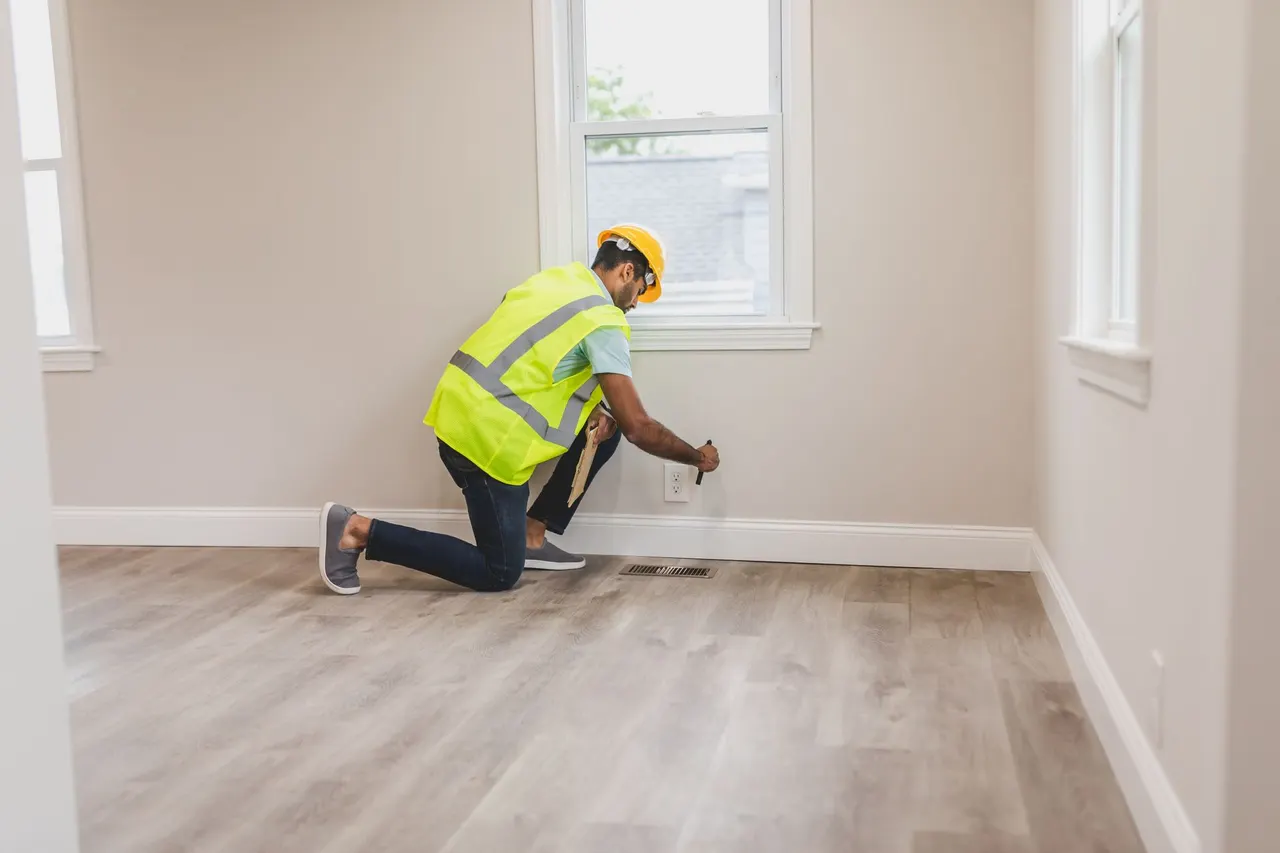
We inspect every room, the attic, crawl space, and mechanical areas for visible mold, water stains, and warped materials. We note the location and extent of any growth. This walkthrough sets the plan for instrument testing and sampling.
A moisture meter and thermal imaging camera find hidden water behind walls and under floors. We check around plumbing fixtures, the water heater, and any area with a history of leaks. Readings are recorded and included in your report.
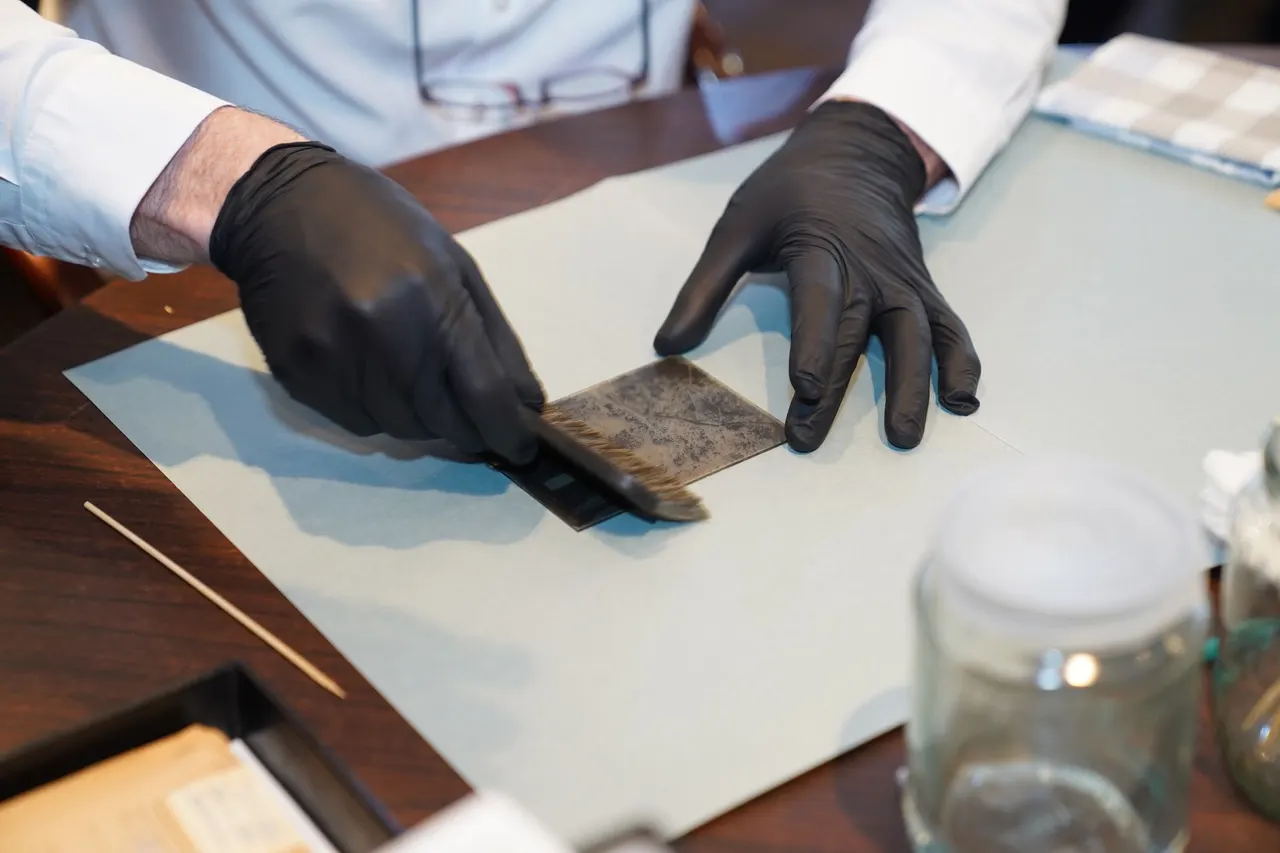
We use a calibrated air pump to collect spore samples and swabs for surface testing. Results identify mold types and concentrations, compared to an outdoor baseline. This is the evidence you need for remediation or insurance.
You receive a report with photos, moisture readings, lab results, and a plain-language summary. It explains what we found, where it is, and what we recommend. The format works for insurance claims and real estate transactions.
If mold is confirmed, we can perform the remediation ourselves or refer you to a trusted specialist. We explain the scope and what it involves. No pressure either way. You decide who does the work.
We give you practical steps to prevent mold from returning, like controlling indoor humidity, fixing slow leaks, and improving crawl space ventilation. These tips are specific to your property and Fort Worth's climate.
The approach is the same for a home and a business. What changes is the access, the schedule and who needs the paperwork.
We inspect your home for hidden moisture and mold. You get a clear report and next steps.
We inspect commercial spaces for mold and moisture. You get documentation for tenants and insurers.
A plain-language look at what Mold Inspection and Testing involves and when it is needed.
See how it worksMold Inspection and Testing Fort Worth TX is a diagnostic service that locates hidden moisture and confirms whether mold is growing inside your home or business. We do not guess. A technician walks the property with a moisture meter and thermal imaging camera, checking the spots mold loves: behind baseboards, under hardwood flooring, inside crawl spaces, and around the water heater pan. We test the air with a calibrated pump and take surface swabs where staining or discoloration shows.
Fort Worth sits in a climate that swings hard. Summer humidity pushes indoor moisture up, and winter freezes crack supply lines in older slab homes. After a burst pipe or a slow appliance leak, mold can start colonizing drywall and carpet padding within 24 to 48 hours. That is why we treat every moisture call as urgent. If you search for mold inspection near me Fort Worth after a water event, we can usually get a technician out the same day to map the damage before it spreads.
Mold testing finds the moisture problem first, then confirms whether mold is growing.
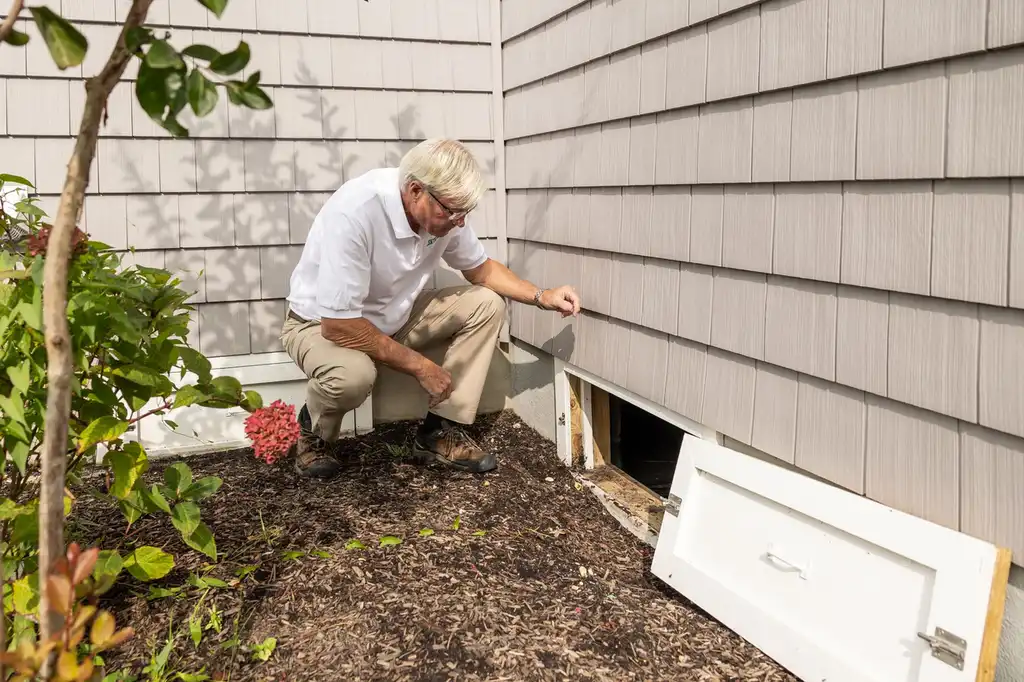
Every job follows the same sequence, whether it is a 900-square-foot bungalow near TCU or a commercial building in Sundance Square. Here is what you can expect from the first call to the final report.
We ask what you are seeing, smelling, or suspecting. Did a pipe burst last month? Is there a stain on the ceiling? Have you had any flooding? Those details tell us where to focus. We schedule a visit, usually same day or next morning, and give you a clear arrival window. No vague all-day waits.
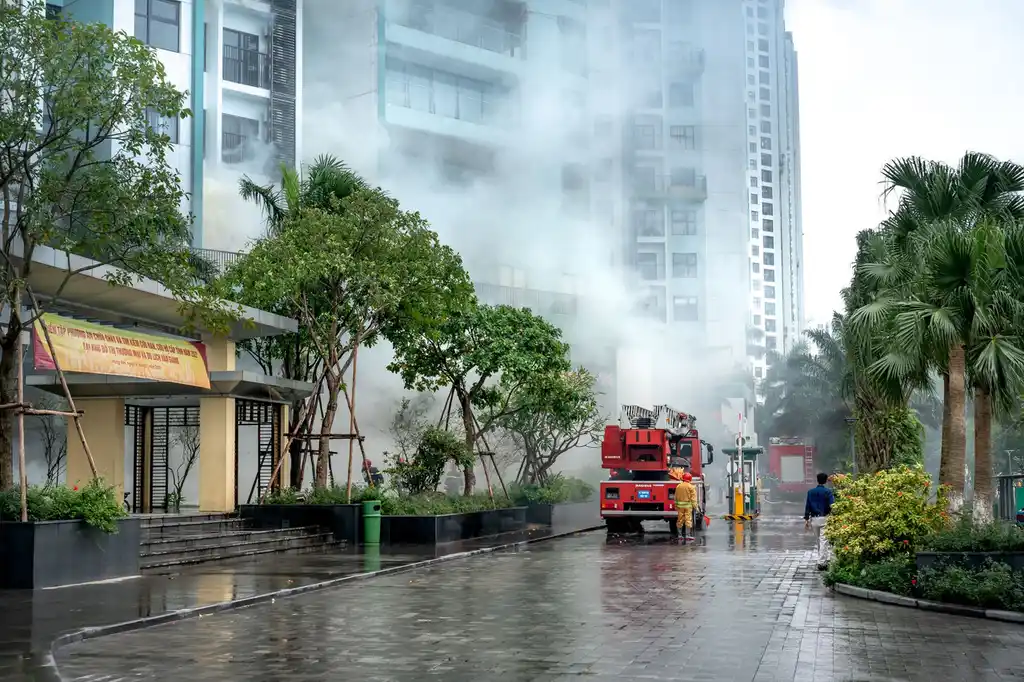
A technician walks the property with you, noting water stains, discoloration, warped baseboards, and musty odors. We check the attic, crawl space, and every fixture that can leak. This takes 20 to 30 minutes for an average home and gives us the map for the instrument phase.

We use a moisture meter, thermal imaging camera, and hygrometer to find hidden moisture. A boroscope lets us look inside wall cavities without cutting. We test the air with a calibrated pump and take surface samples where mold is visible. This phase runs 45 to 90 minutes depending on square footage.

Results come back in 24 to 48 hours. The report lists mold types and spore concentrations, plus a comparison to outdoor baseline levels. We call you as soon as we have the numbers, then send the full report by email.

We walk you through the findings in plain language. If remediation is needed, we explain the scope and can handle it. If the issue is a small patch you can clean yourself, we tell you that too. You also get maintenance tips to keep moisture from returning, like running a dehumidifier in the crawl space.

Move across a circle, or focus it and press Enter, for an illustrative thermal view of the photograph.
Detects temperature differences behind walls and under floors to find hidden moisture without cutting into surfaces.
Measures water content in drywall, wood, and other materials. We use it to confirm active moisture and map the extent of the problem.
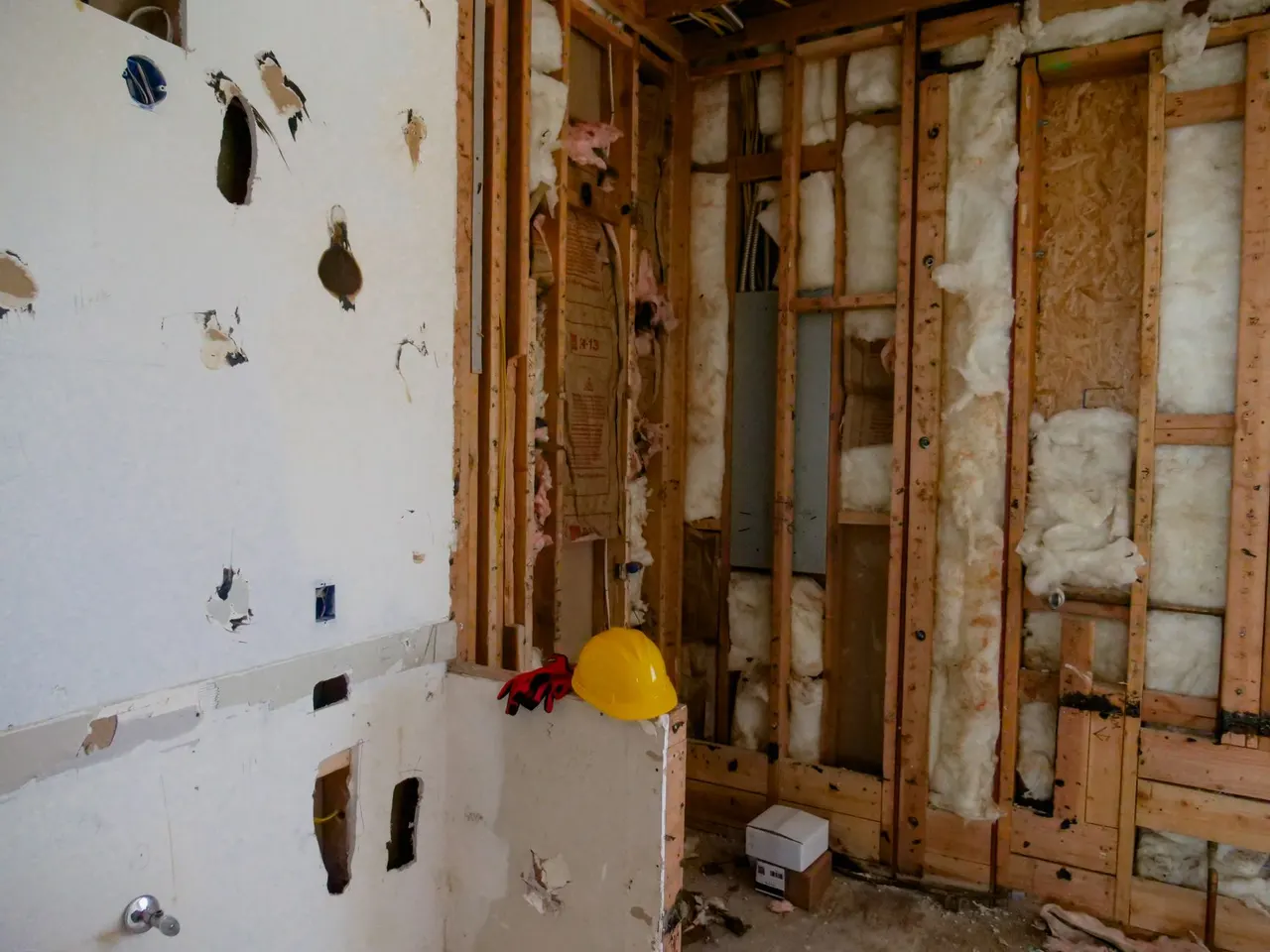
Reads relative humidity in the air and inside wall cavities. High humidity is a leading indicator of mold risk.

A flexible camera that lets us look inside wall cavities and ductwork through small openings. We use it to check for mold growth in hidden areas.
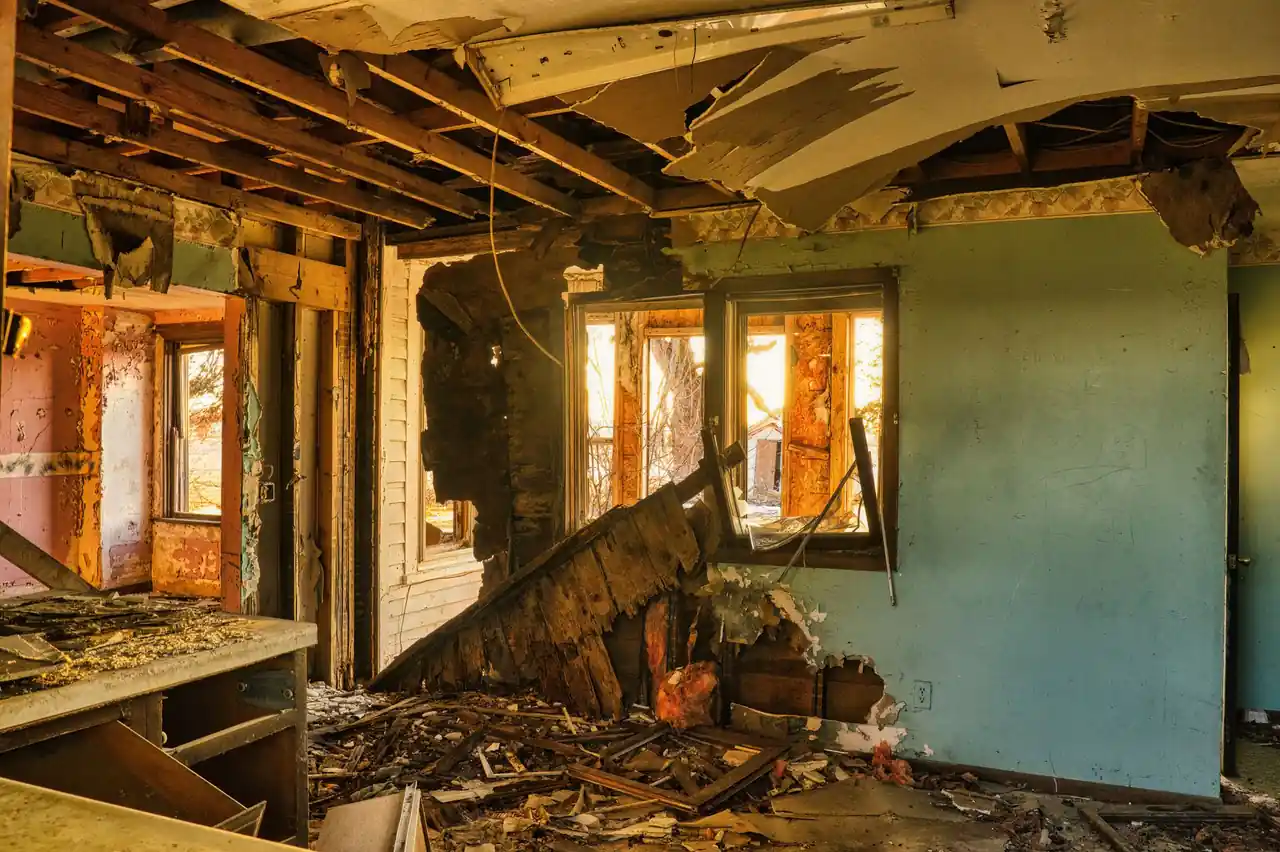
Draws a calibrated volume of air through a spore trap. Samples go to a lab for analysis of mold types and concentrations.
Thermal views are illustrative, generated from the photographs.
Removes moisture from the air to stop mold growth and speed drying. We use commercial units during remediation and drying.
Creates high-velocity airflow to dry wet materials quickly. Essential for drying carpet, drywall, and framing after a leak.
We follow the IICRC S520 standard for mold assessment and remediation. It outlines how to inspect, sample, contain, and verify clearance.
We create a map of moisture readings across the property. This shows where water is trapped and guides where we sample for mold. It also gives you a baseline to compare after drying.
We collect air samples with a pump and surface samples with swabs. Lab analysis identifies mold genera and spore counts. Comparing indoor to outdoor levels tells us whether there is a hidden problem.
During remediation, we set up plastic containment and run HEPA air scrubbers to prevent spores from spreading. This protects unaffected areas of your home while we work.
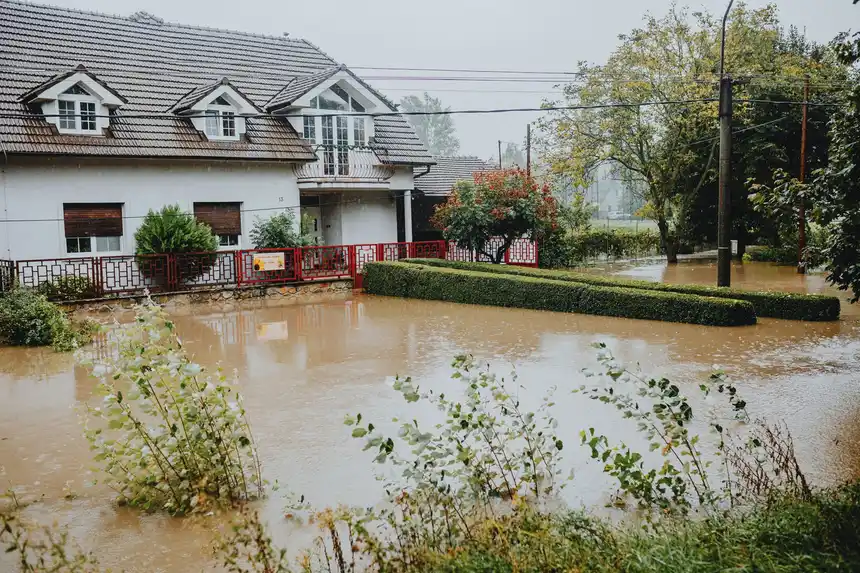
You had a pipe burst or appliance leak within the last month.
We inspect the area with moisture meters and thermal cameras, then take air and surface samples. If drying was incomplete, we find the remaining moisture and test for mold. We also document the findings for your insurance claim.
Outcome: You get a clear answer on whether mold is growing and a report to support your claim.
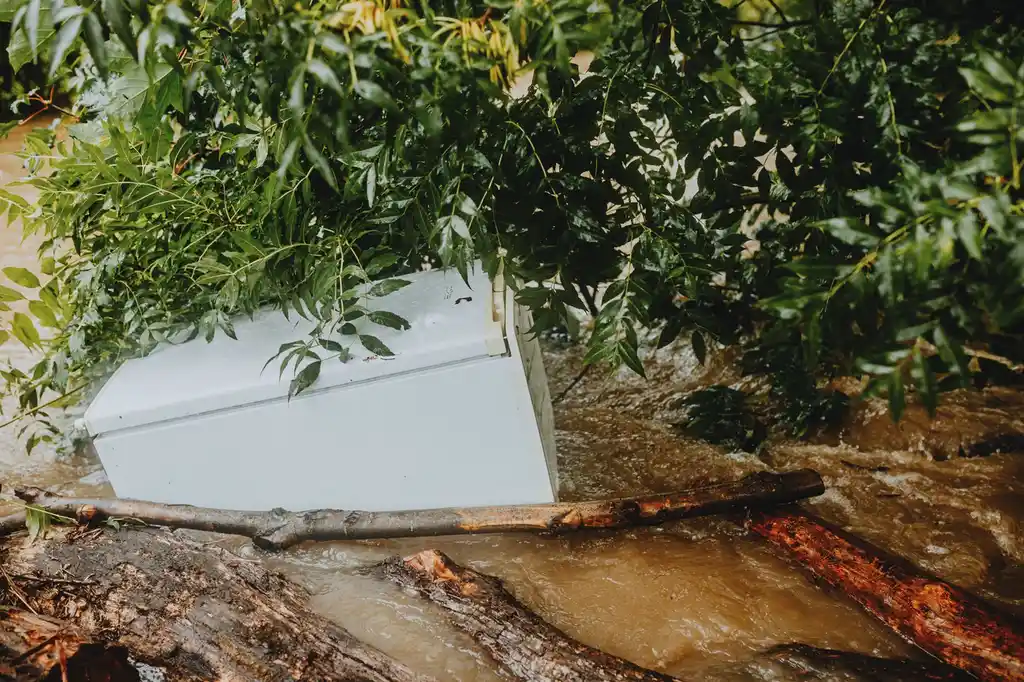
You are buying or selling a home in Fort Worth and the inspection report mentions moisture.
We perform a full mold inspection, including air sampling and moisture mapping. Our report gives you the lab data you need to negotiate or remediate before closing. We work with real estate timelines.
Outcome: A clean report or a clear remediation plan, so the transaction moves forward without surprises.
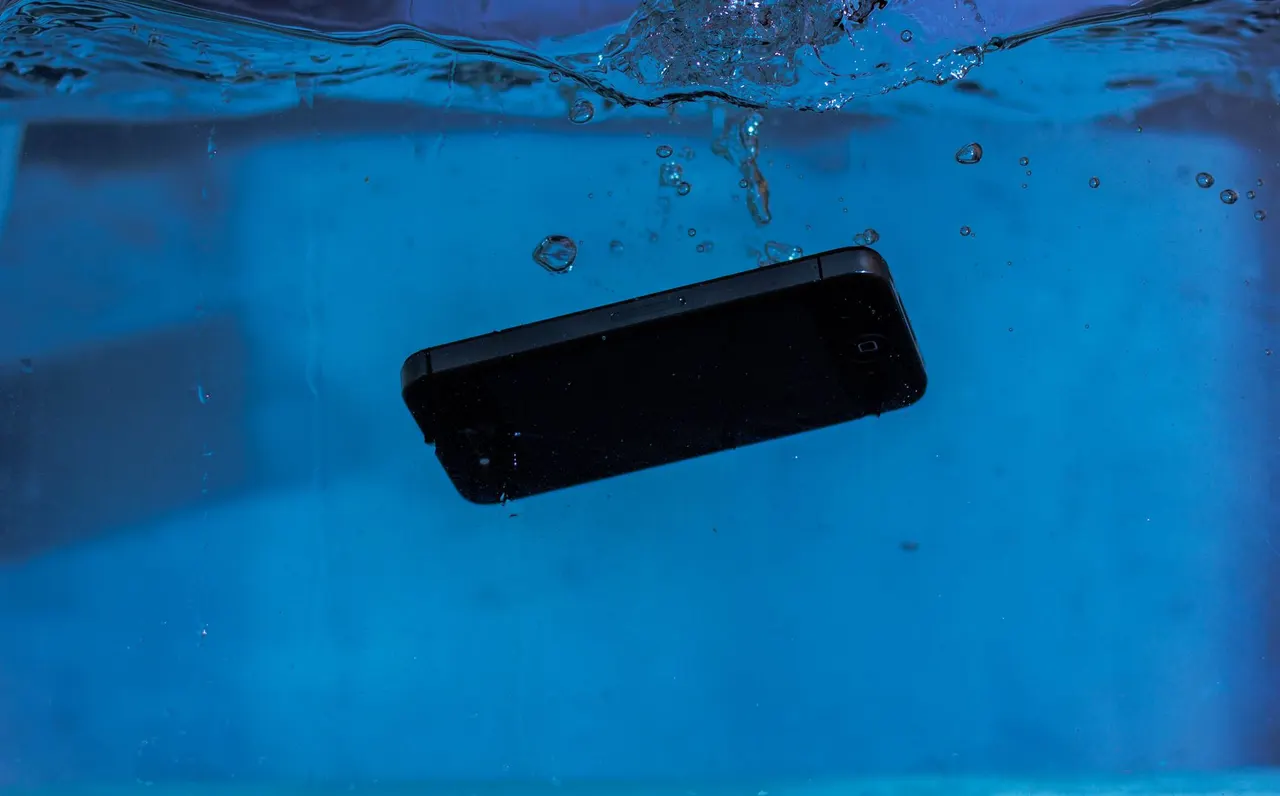
You smell something musty in the HVAC system or a specific room.
We inspect the HVAC closet, ductwork, and the room with thermal imaging. We test the air for mold spores and check the condensate drain. If mold is in the system, we can clean and remediate it.
Outcome: The odor source is identified and removed, and you know the air is clear.
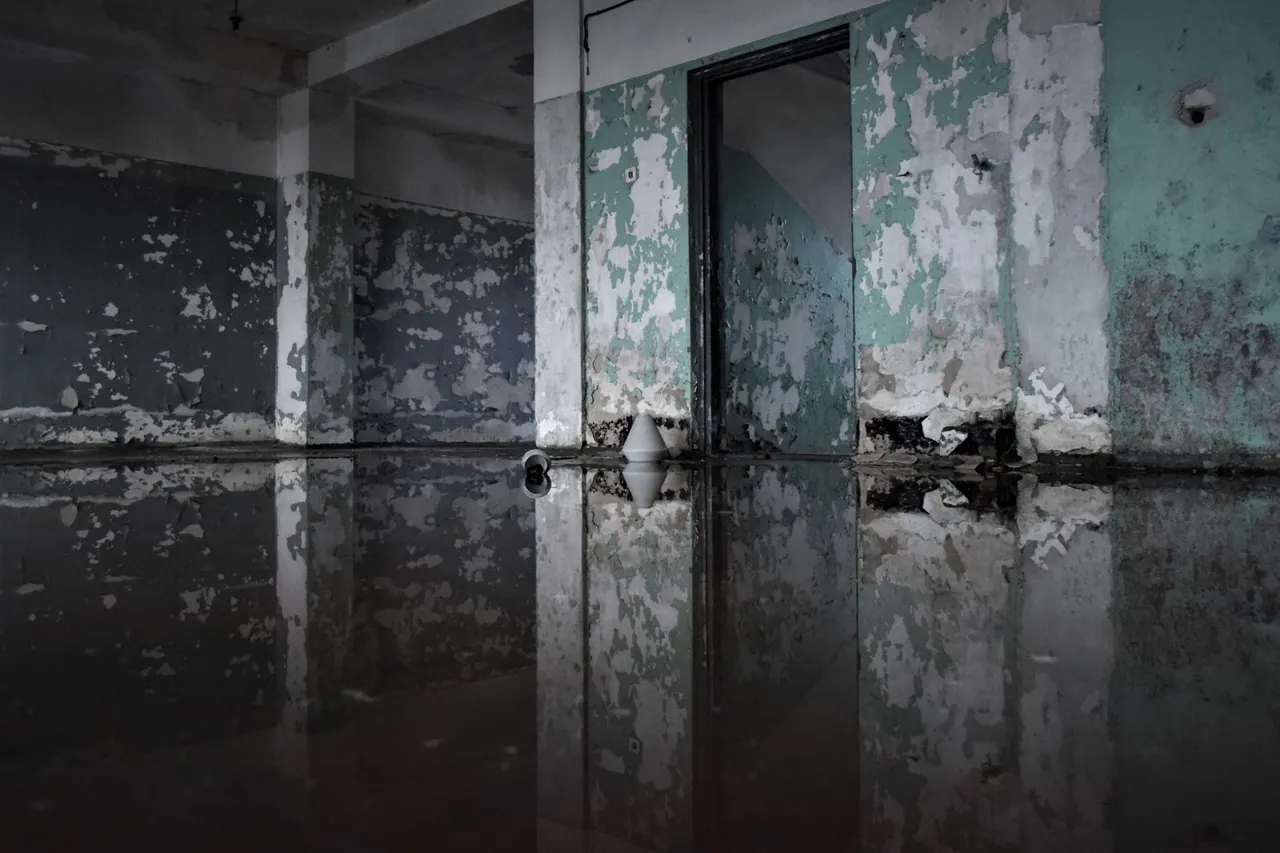
Your crawl space flooded after a heavy rain or sump pump failure.
We remove the water, dry the space, and test for mold on joists and insulation. If mold is present, we remediate and recommend a vapor barrier. We also check for long-term moisture issues.
Outcome: A dry crawl space and a mold clearance report, so the rest of the house stays healthy.
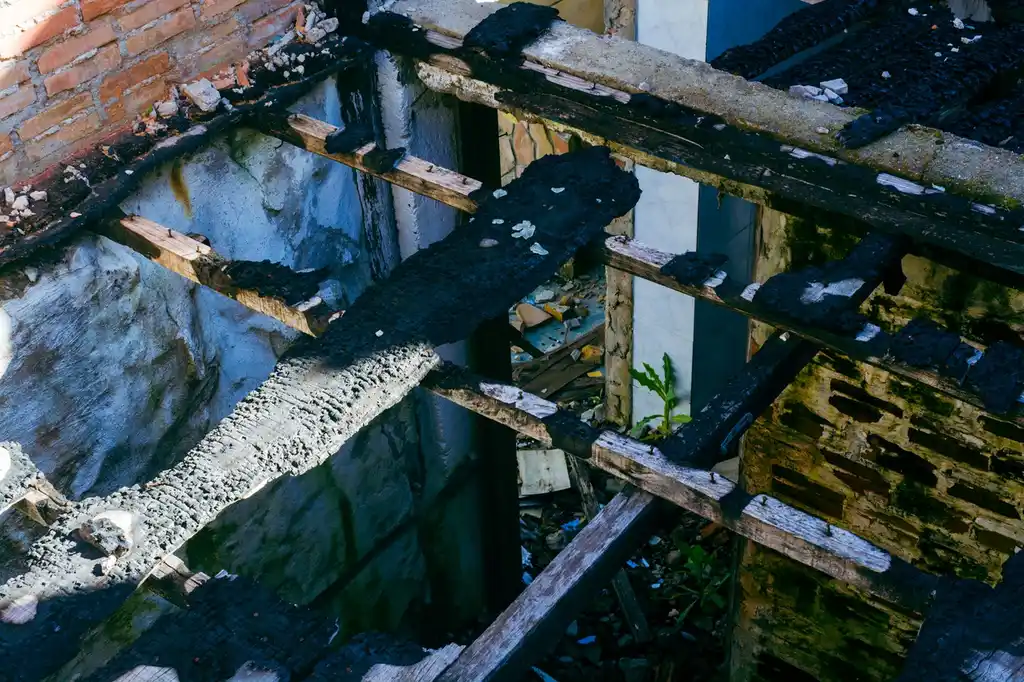
You are a property manager dealing with a tenant complaint about mold.
We respond quickly, inspect the unit, and test for mold. Our report is written for property managers and insurance carriers, with photos and lab results. We can also handle remediation to get the unit back online.

Fort Worth's climate creates mold problems year-round. Summer humidity pushes indoor moisture above 60%, and winter freezes crack pipes in older homes. The city's housing stock ranges from pier-and-beam bungalows in Fairmount to slab-on-grade ranches in Arlington Heights. Each type hides moisture differently. Pier-and-beam homes have crawl spaces that stay damp; slab homes wick water up through the foundation.
We adjust our inspection approach to the construction. For a pier-and-beam, we spend extra time in the crawl space with a moisture meter and boroscope. For slab homes, we check for slab leaks and test flooring from below. We also know Tarrant County's insurance adjusters expect lab-backed reports, so we document everything.
If you search for air quality mold testing Fort Worth Texas after a storm or leak, we can be there the same day. Our local experience means we find the problem faster and give you a report that stands up.
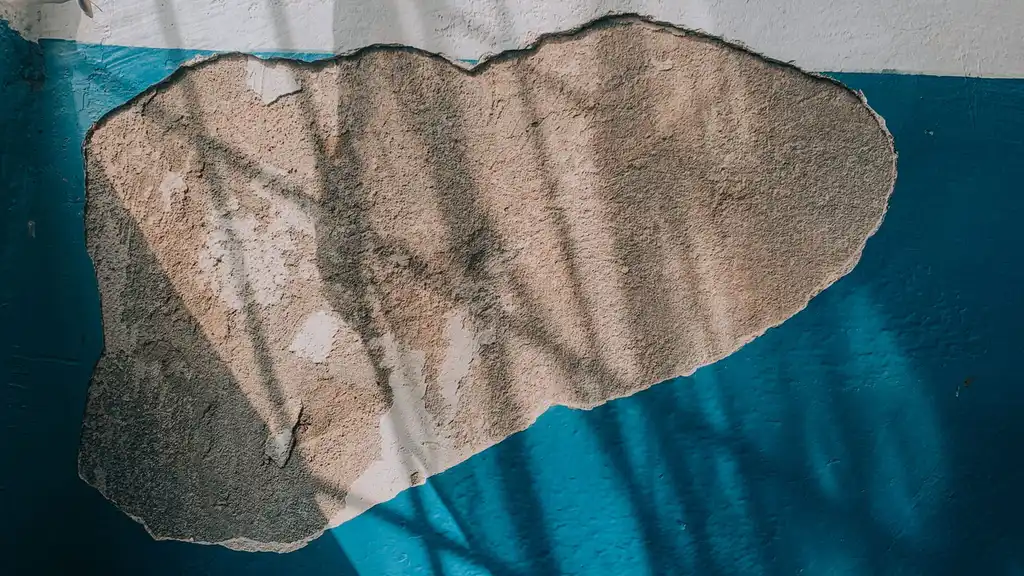
Before: A 1940s bungalow had a slab leak under the original hardwood. The homeowner noticed cupping boards and a musty smell. Moisture meter readings were high across 200 square feet. Air samples showed elevated mold spores.
After: We repaired the leak, dried the slab, and removed the affected hardwood and baseboards. After remediation, air samples returned to normal. The homeowner replaced the flooring with new oak.
Keep an eye on your water bill for unexplained spikes, which can signal a slab leak. Run a dehumidifier in humid months.
Before: A roof leak stained the ceiling in a 1960s ranch. The homeowner painted over it, but the musty smell returned. Our inspection found mold on the attic sheathing and insulation. Moisture readings were 28% in the affected area.
After: We repaired the roof, removed the moldy insulation and sheathing, treated the framing, and verified clearance with air testing. The ceiling was repaired and repainted. Spore counts returned to outdoor baseline levels.
Inspect your attic after every major storm. Look for water stains on the roof deck and insulation.
Before: A pier-and-beam home had standing water in the crawl space after a sump pump failure. Joists were covered in white mold. The smell was noticeable in the living room. Moisture readings were above 30% on the joists.
After: We pumped out the water, dried the crawl space with dehumidifiers and air movers, and remediated the mold on the joists. We installed a new sump pump and vapor barrier. Post-remediation air tests were clear.
Test your sump pump before spring rains. Keep the crawl space vented and consider a dehumidifier.
Mold is a symptom of a moisture problem. These are the situations we see most often in Fort Worth, and how we fix them.
A clear report that tells you if mold is present and where.
A thermal imaging camera sees temperature differences behind drywall that your eyes cannot. We pair it with a moisture meter and a hygrometer to confirm active water intrusion. In a typical Fort Worth home, we check 15 to 20 points, including under sinks, around the water heater, and inside the attic sheathing. You get a moisture map, not a guess.
The report identifies mold genera and spore counts so you know whether you have a small patch behind a baseboard or a colony inside the HVAC system. That documentation is what insurance adjusters and remediation crews need to move forward.
Unchecked mold eats drywall paper, stains ceiling tiles, and ruins hardwood flooring. We have seen crawl space moisture in Arlington Heights turn into rotted floor joists within one season. Catching it early keeps your repair scope small and your resale clean.
We document every finding with photos, moisture readings, and lab results in a format your adjuster can use. If your policy covers the water damage that caused the mold, that report supports the claim. We also note what is likely a maintenance issue versus a sudden event, so there are no surprises when the claim is reviewed.
Clear records you can keep and share.
Mold types and spore counts
Images of findings
Readings across property
Plain-language recommendations
Testing tells you if mold is present. Remediation removes it. You need testing first to know the scope.
A diagnostic step to find moisture and mold
The process of removing mold and fixing moisture
Final testing to confirm mold is gone
A list like this tells people straight away whether you cover their street. Not listed? Call and ask: it only takes a minute.
Based in Fort Worth and covering the places around it. Pick one for local details.
A basic visual and moisture check starts lower; adding air and surface samples for lab analysis pushes toward the top of that range. Commercial properties and crawl space work are quoted by scope. We give you the price before we schedule, so there is no surprise on the invoice.
Fort Worth Restorations handles mold testing and inspection across Tarrant County, including Downtown, West 7th, and Arlington Heights. Call us at +1 817-270-9150 and we will get a technician to your property, often the same day.
A typical home inspection takes two to three hours on site. That includes the walkthrough, instrument testing, and sample collection. Lab results come back in 24 to 48 hours. Larger homes or commercial buildings can take longer, and crawl space work adds time. We give you a realistic window when we schedule, not a vague half-day block.
Yes, if the water sat for more than 24 to 48 hours or if you smell something musty. Mold can start growing inside drywall and carpet padding within two days of a leak. Testing confirms whether spores are elevated and where. It also gives you documentation for an insurance claim. If you had a burst pipe, slab leak, or storm flooding, schedule testing before you close up the walls.
Other services from the same team.
If you smell something musty or had a recent leak, do not wait. Mold spreads fast. Call Fort Worth Restorations at +1 817-270-9150 for same-day mold inspection and testing in Fort Worth TX. We give you a clear price, a fast visit, and a written report you can use.
Call +1 817-270-9150 any time, day or night. We answer, ask a few questions about the source and the rooms affected, and dispatch a crew. If you prefer email, send photos and your address to info@fortworthrestorations.com and we will follow up with next steps.