West 7th Homes
Older bungalows and newer units both hide water behind finished surfaces. We inspect before we cut, so repairs stay targeted.
- Crestwood bungalows
- Monticello two-stories
- Mixed-use residential units
- Pier-and-beam crawl spaces
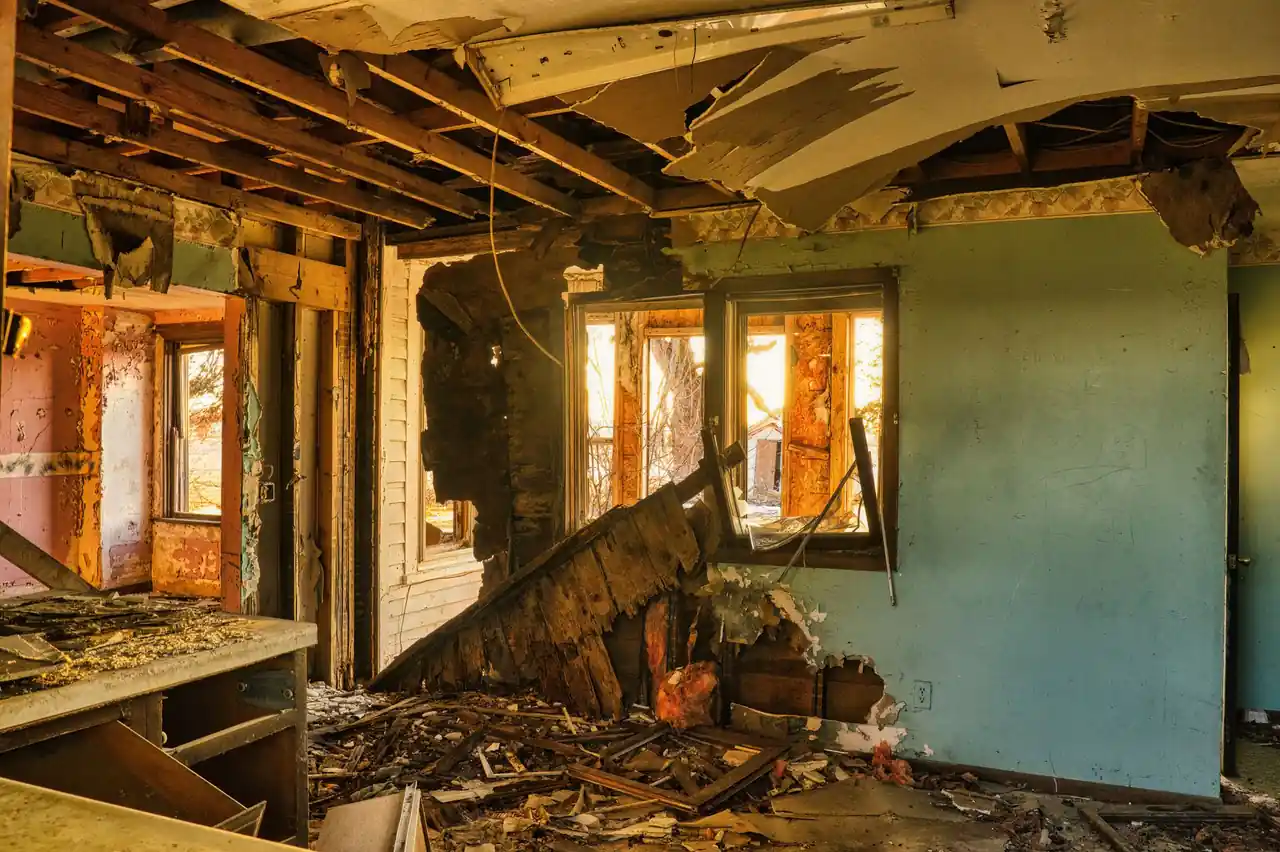
Water Damage in West 7th rarely waits for a convenient moment. A supply line lets go behind a fridge in a Montgomery Plaza loft at 2 a.m., or a slab leak quietly soaks the hardwood in a 1940s bungalow off West 7th Street.
310 Greenleaf St, Fort Worth, TX 76107, United States, Fort Worth, Texas
Serving West 7th and nearby
Water Damage in West 7th is a different job than it is three miles in any direction. The housing stock swings from 1920s bungalows in Crestwood and Monticello to glass-fronted mixed-use developments along West 7th Street, and each one fails differently. Older homes hide galvanized supply lines and cast iron drains behind plaster; newer builds pack plumbing into shared walls above restaurant and retail space. We work both.
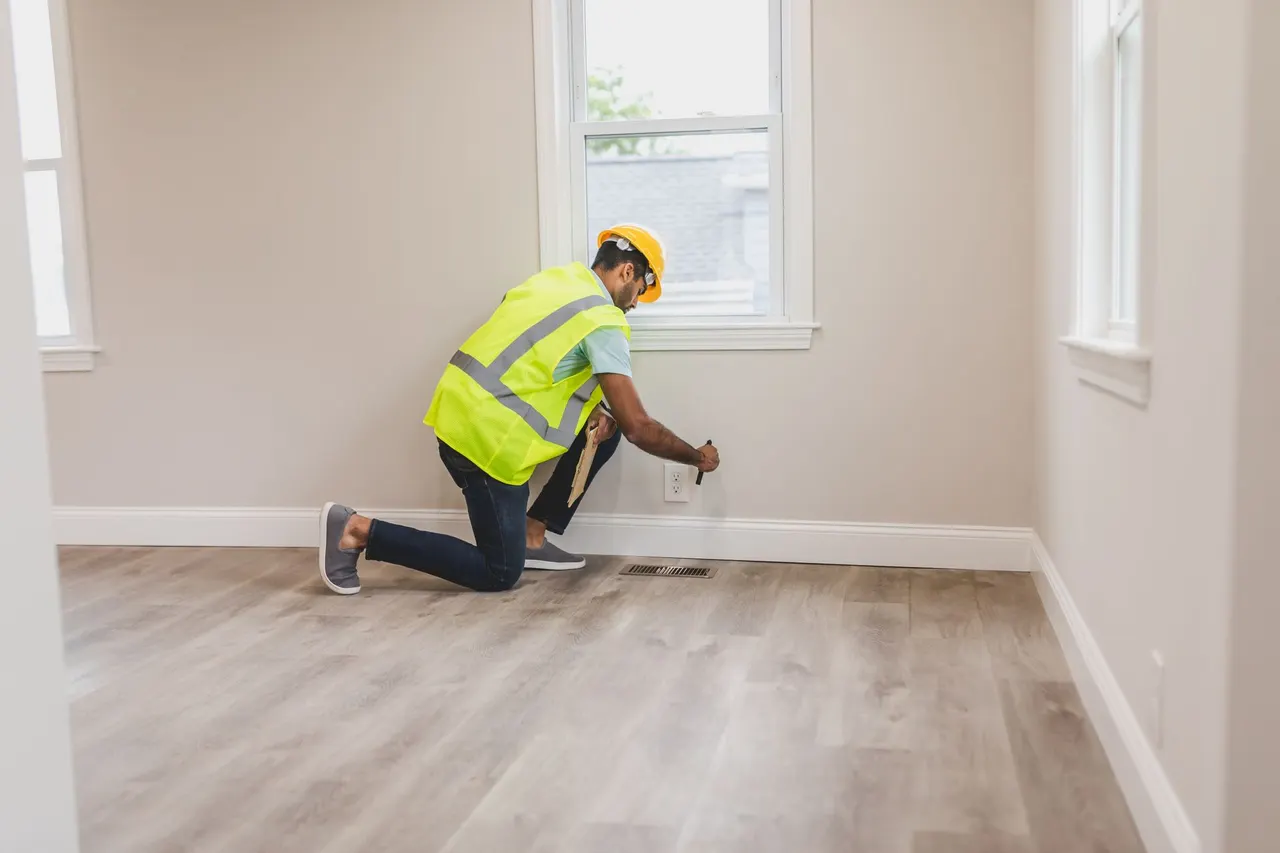
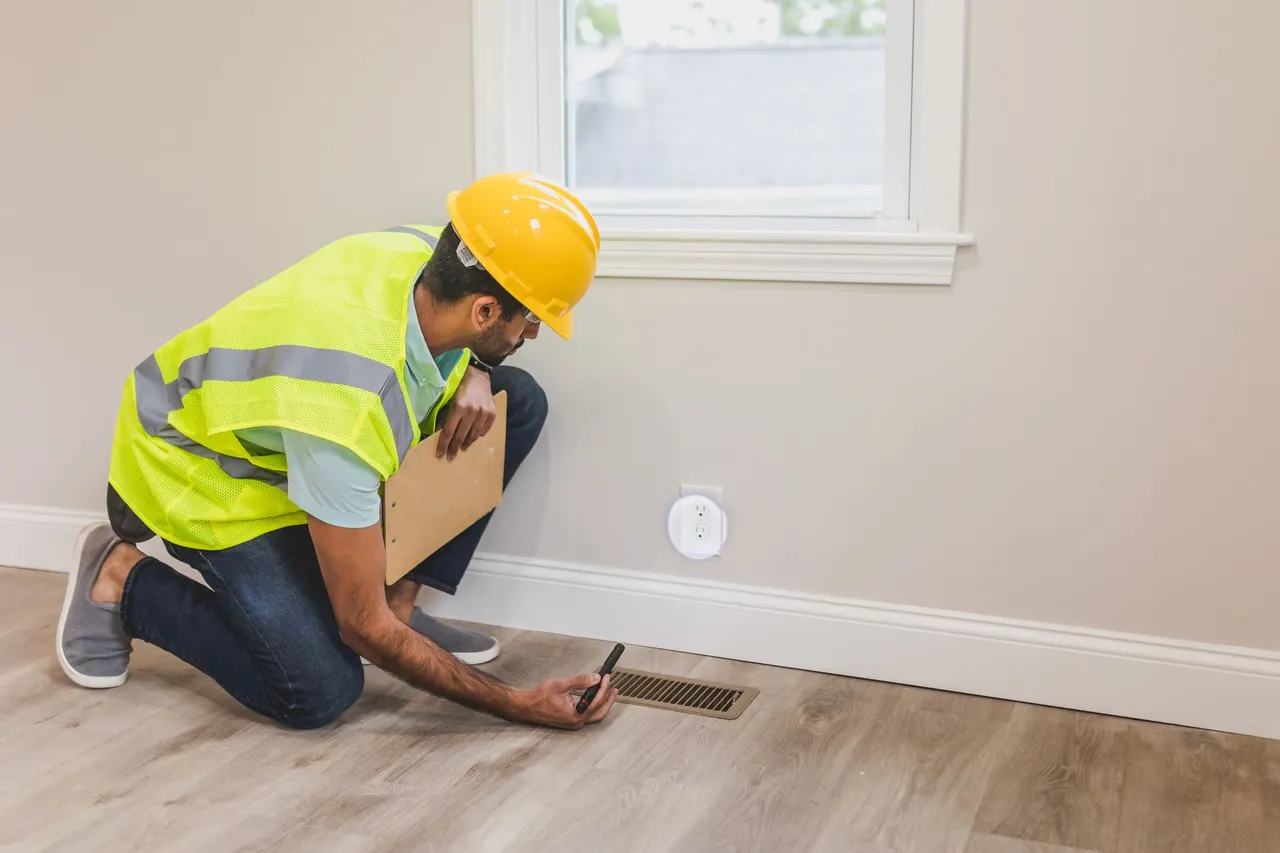
Our technicians carry moisture meters, thermal imaging cameras and hygrometers to every call, because the wet spot you can see is rarely the whole story. We map the moisture, set Dri-Eaz and Phoenix Restoration Equipment air movers and dehumidifiers, and log daily readings until the structure hits dry standard. Then we repair what the water wrecked: drywall, baseboards, hardwood flooring, carpet padding.
If you searched for water damage restoration West 7th TX and landed here, that is exactly the work we do.
West 7th sits on a slope that pushes stormwater toward the low blocks near Trinity Park, and the mixed-use developments along the corridor carry heavy restaurant and retail plumbing loads. When a grease line backs up or a rooftop unit overflows, it is not one unit that floods, it is three. We keep crews positioned to reach 76107 and 76109 fast because that is where the calls come from. Older residential homes in Arlington Heights and Monticello add a second pattern: slow slab leaks and appliance failures that soak subfloor for weeks before anyone notices a ceiling water stain.
Good to know in West 7th
One failed supply line above a West 7th Street restaurant can push water into three units and a commercial kitchen below.
Texas requires mold work above a certain threshold to follow specific containment, removal and documentation practices. We build our West 7th mold jobs to those rules so the clearance holds up and your file is complete.
Museum-district buildings and nearby residential blocks in 76107 see a mix of commercial plumbing loads and older home systems.
Every service below runs in West 7th, not from a call center two counties away. If you need emergency water damage cleanup West 7th TX at 3 a.m., a tech answers and a truck rolls.
Full-scope restoration for West 7th homes and businesses: source control, extraction, drying, repairs and finishing.
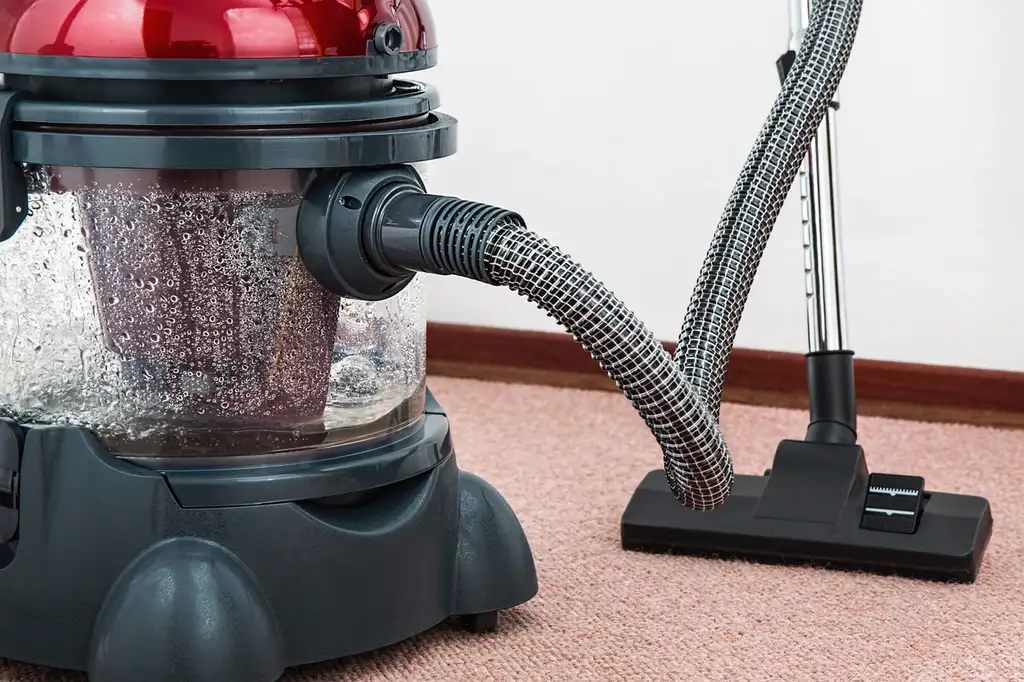
Standing water in a West 7th kitchen or hallway gets pulled fast with truck-mounted extraction units before it wicks into baseboards and drywall.
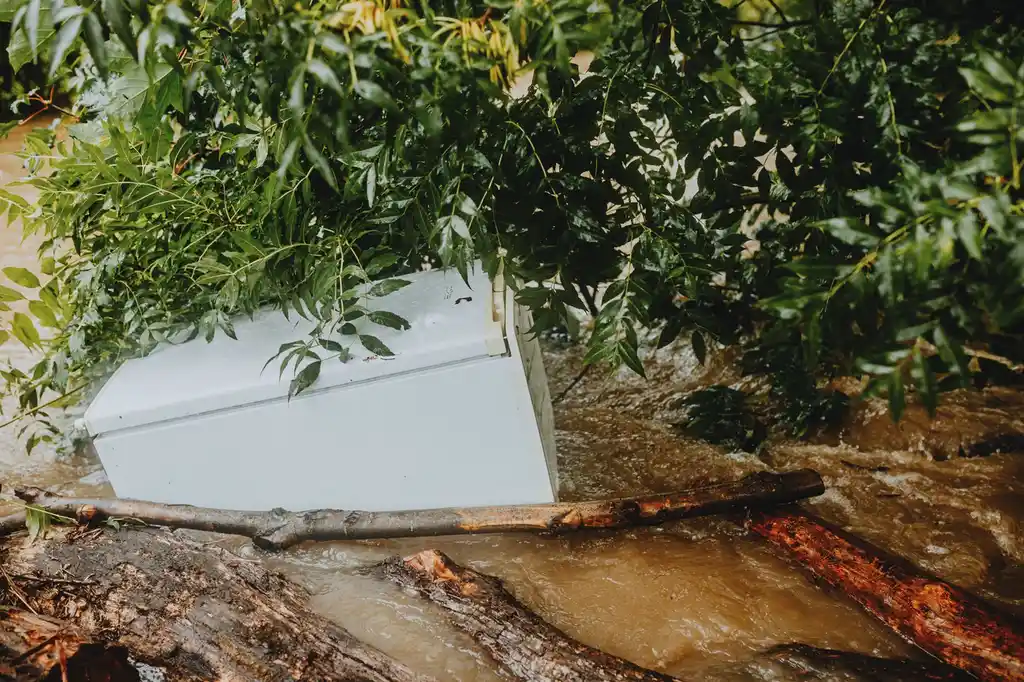
Stormwater runoff pools in the low blocks near Trinity Park and along the West 7th corridor after heavy spring cells.
West 7th basements and below-grade storage in older Crestwood and Monticello homes collect seepage after sustained rain.
Restaurant and retail plumbing loads along West 7th Street mean grease and sewage backups hit shared lines.
Hail and wind-driven rain push water through roofs and window seals across West 7th. We tarp and board first, then dry interiors, repair ceiling and roof leaks, and rebuild.
Mold growth starts within 24 to 48 hours of a wet event in West 7th's humid months.
If you smell something musty in a West 7th bungalow or a mixed-use unit, we inspect with a boroscope and thermal imaging camera to find the moisture source, then test before recommending scope.
After drying, West 7th properties need real repairs: drywall, joint compound, paint, baseboards, sealant.
We dry West 7th structures to a verified standard, not to the touch.
West 7th humidity in summer slows drying and feeds mold.
Carpet padding in West 7th rentals and homes soaks up water and holds it against the subfloor.
Hardwood flooring in older West 7th homes cups and buckles fast after a slab leak or appliance failure.
Ceiling water stains in West 7th usually trace to a roof penetration, a failed flashing, or an upstairs supply line.
Frozen pipes in a January cold snap or a corroded galvanized line in a 1940s West 7th home both end the same way: water everywhere.
Dishwasher, washing machine and refrigerator supply lines fail in West 7th condos and homes more often than people expect.
Pick a service to see how we approach it here.
West 7th mixes 1920s bungalows with newer mixed-use buildings, so no two losses dry the same way. We map moisture first, then set air movers and dehumidifiers to match the material and the room. Repairs follow drying, not the other way around.
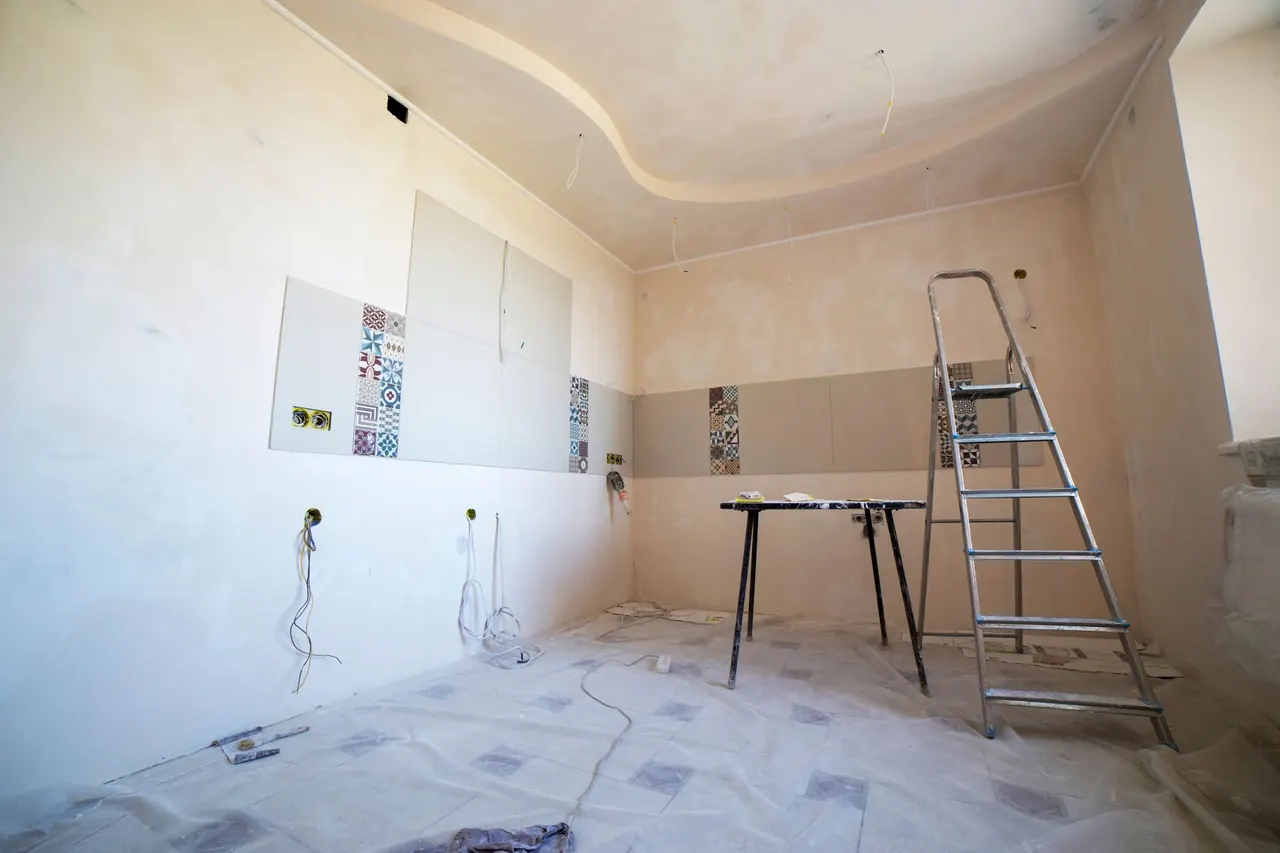
Standing water in a West 7th unit gets pulled with truck-mounted extraction before it wicks into baseboards and drywall. We stage in rear alleys or service corridors so we do not block retail frontage. Extraction runs until the moisture meter stops climbing.
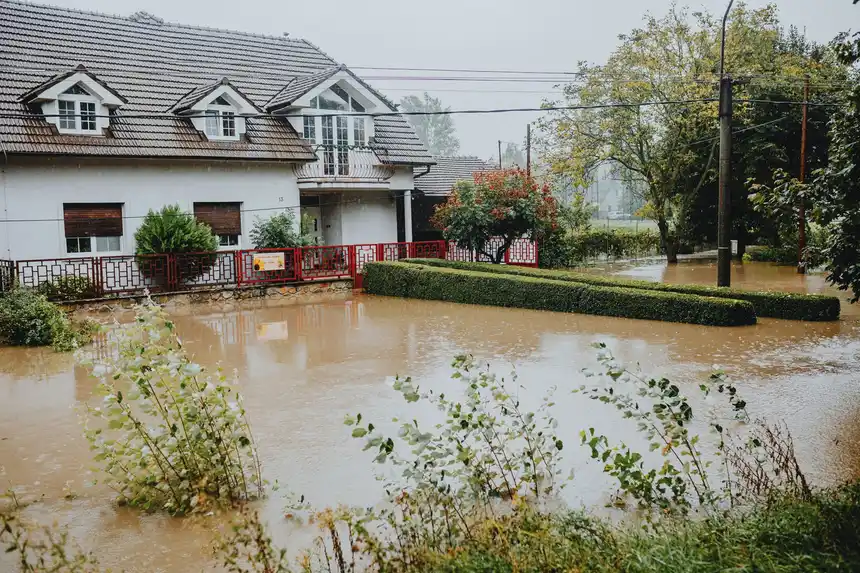
Stormwater near Trinity Park carries silt and debris into crawl spaces and ground-floor units. We extract, remove contaminated material, and treat surfaces with antimicrobial solution. Drying follows until framing and subfloor read dry.
Below-grade spaces in older West 7th homes collect seepage after sustained rain. We pump and extract standing water, then dry the space with air movers and dehumidifiers. Sump pump and drainage get checked before we close it up.
Homes and businesses in West 7th fail differently, so we scope each one on site.
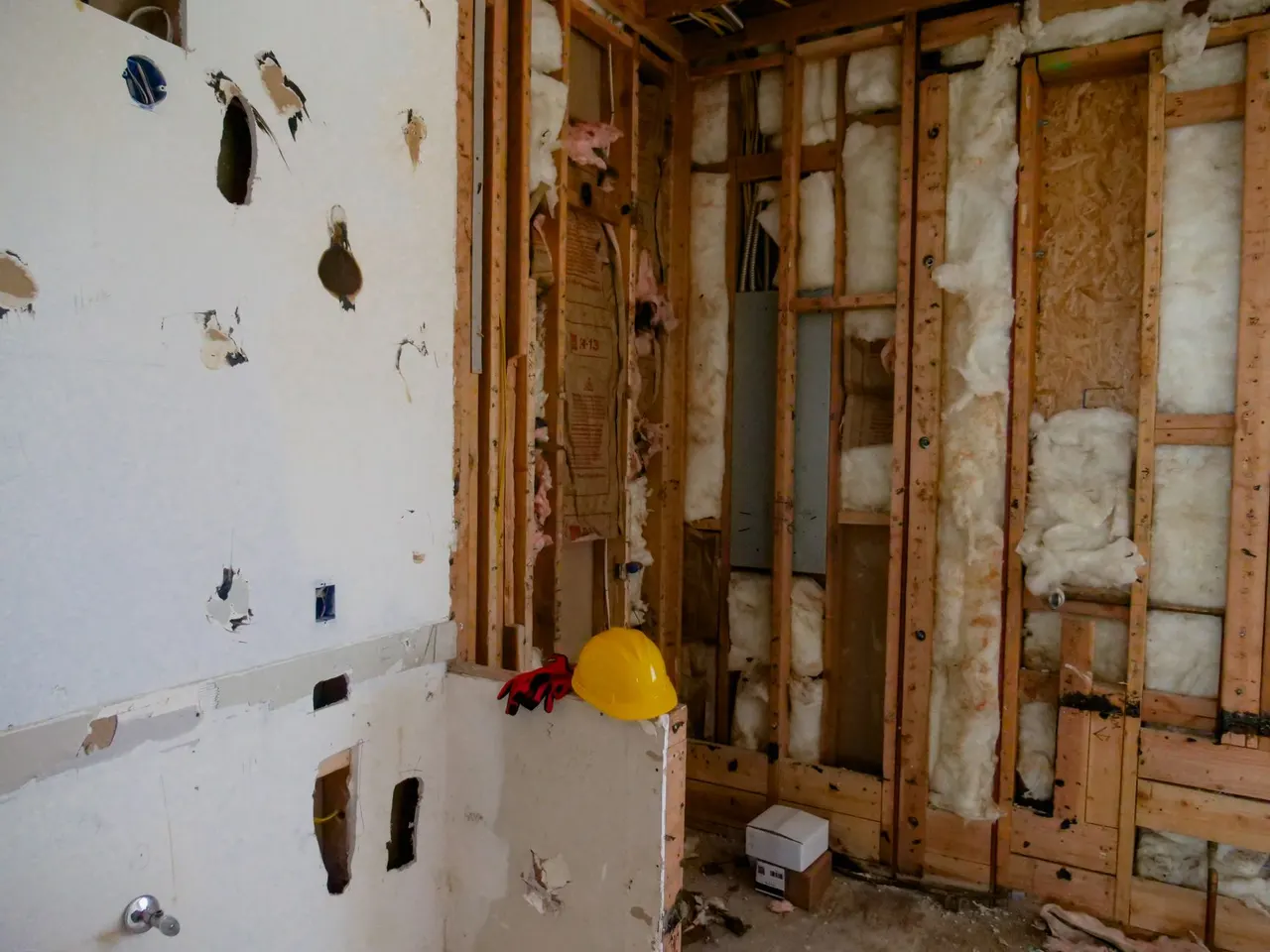
Older bungalows and newer units both hide water behind finished surfaces. We inspect before we cut, so repairs stay targeted.
Restaurants and retail along West 7th Street cannot lose a full day. We work around service hours and isolate the affected zone.
West 7th has a specific set of water problems, and they come from a specific set of causes: older plumbing in Crestwood and Monticello, shared risers in the mixed-use developments along West 7th Street, heavy stormwater runoff near Trinity Park, and a humid climate that slows drying and feeds mold.
Crestwood and Monticello homes built in the 1920s through 1950s still have original copper and galvanized supply lines running under the slab. They corrode from the inside and fail slowly, soaking subfloor and flooring for weeks before anyone notices.
West 7th gets hard freezes most winters, and uninsulated exterior walls in older homes let supply lines freeze and split. The damage usually shows up when the line thaws, often at 2 a.m., and water runs until someone shuts it off.
The West 7th Street corridor carries heavy restaurant and retail plumbing loads through shared lines. Grease and debris build up, and when a line backs up, it can hit several units or a commercial kitchen at once.
Older West 7th homes sit on pier-and-beam foundations with crawl spaces that collect seepage after sustained rain. Poor vapor barriers and drainage let moisture sit against floor joists, which drives mold and rot.
A warm floor, a musty closet, a spreading ceiling stain: these are the signs it is time to call.
Any one of these is worth a call.
Nothing picked yet. Tap the signs you have noticed and this box will sum them up.
West 7th is easy to describe and tricky to navigate when you are hauling extraction equipment. We orient by landmarks, not just addresses, because that is how you find the right alley, the right service entrance, and the right place to stage a truck without blocking a patio.
Landmark
The main corridor through the district.
Landmark
A large mixed-use development on the east side of the district. It serves as a fixed reference point for locating nearby residential blocks and commercial units when we are routing a crew.
Landmark
The park along the Trinity River marks the southern boundary of the area. It helps us identify the low-lying blocks where stormwater runoff tends to collect after heavy rain.
Landmark
A Cultural District landmark just north of West 7th. We use it to orient routes toward the museum district and the surrounding residential streets in 76107.
Commercial area
A dense stretch of restaurants, bars, retail and mixed-use residential. Loading zones, patios and shared risers shape how we stage equipment and schedule work around business hours.
Commercial area
Museums, event venues and surrounding commercial space in 76107. Larger footprints and public access requirements mean we coordinate staging and containment carefully.
Transit
The primary east-west route through the district. Direct access to most addresses, with rear alley options for buildings that front retail.
Transit
Trail and park access along the southern edge of the area. Useful for orienting crews toward the low blocks where runoff collects.
West 7th weather drives water damage on a schedule. Spring storms, summer humidity, fall temperature swings and winter freezes each bring a different kind of call.
West 7th sits in the middle of a service region that stretches from Downtown Fort Worth out through the Cultural District and south toward Fairmount.
Straight answers to what people ask first.
Sewage backups, slab leaks and larger losses cost more based on square footage and materials. We scope the job and give you a price before work starts.
Shut off the water source if you can find it, then kill power to any wet area at the breaker. Move furniture and electronics off wet flooring, and do not run your HVAC if the water may be contaminated. Call us, and we will walk you through the rest while a crew is on the way.
Most homeowners and commercial policies in Texas cover sudden and accidental water damage, like a burst pipe or appliance failure. Slow leaks and neglected maintenance are often excluded. We document the loss with moisture maps, photos and drying logs so your adjuster has what they need to process the claim.
Structural drying usually takes three to five days in West 7th, depending on how much material got wet and how humid it is. Repairs after drying, like drywall, paint and flooring, add another few days to a couple of weeks. We give you a realistic timeline after the initial inspection, not a guess.
Water spreads fast, and every hour it sits adds to the repair bill. Fort Worth Restorations runs extraction and drying crews across West 7th, 76107 and 76109, with IICRC-trained technicians and documentation your adjuster can use.
Call +1 817-270-9150 any time, day or night. We answer, ask a few questions about the source and the rooms affected, and dispatch a crew. If you prefer email, send photos and your address to info@fortworthrestorations.com and we will follow up with next steps.