For Homes
A burst pipe or appliance leak can soak your floors and walls before you notice. We extract, dry, and repair so your home is safe again.
- Water heater leak
- Frozen pipe burst
- Washing machine overflow
Commercial Water Damage Restoration in Fort Worth stops water where it starts, dries the structure to IICRC S500 standards, and gets your doors back open. We handle office towers, retail, restaurants, and warehouses across Tarrant County. When a burst pipe or storm flooding hits at 2 a.m., our crews roll with water extraction units, air movers, and dehumidifiers already loaded. Call +1 (817) 270-9150.
 Moisture mappingThermal imagingDaily drying logs
Every commercial water damage restoration job starts with a written scope so you know what is covered before we begin. Most projects include emergency response, extraction, drying, monitoring, and basic repairs. Reconstruction, flooring replacement, and contents cleaning are scoped separately when needed. Here is what you can expect as part of the standard service.
A live dispatcher answers your call any hour, any day. We dispatch the nearest crew with extraction and drying equipment already loaded. You get a text with the technician name and estimated arrival time, usually within 60 minutes inside Loop 820.
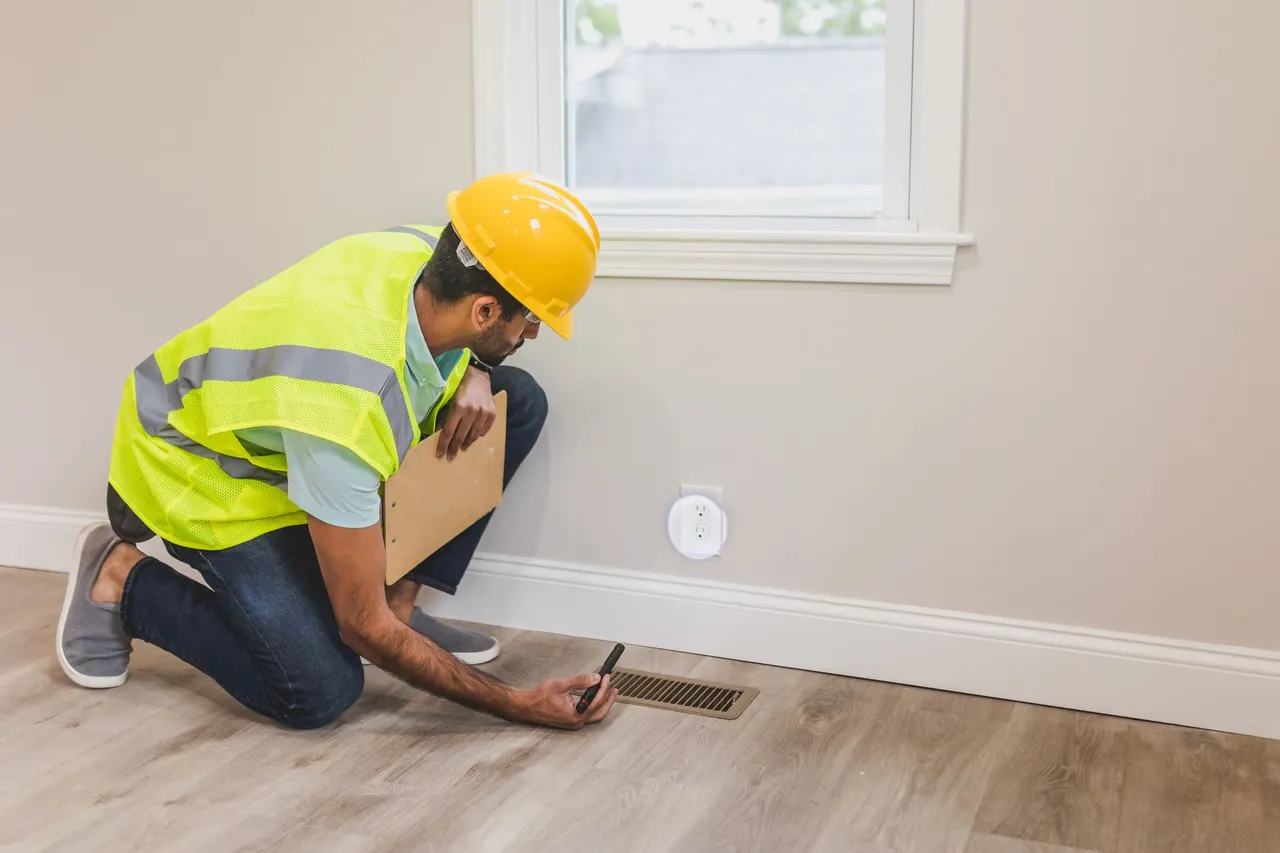
We check behind baseboards with a boroscope and test ceiling cavities. You receive a written scope with photos before drying equipment is set.
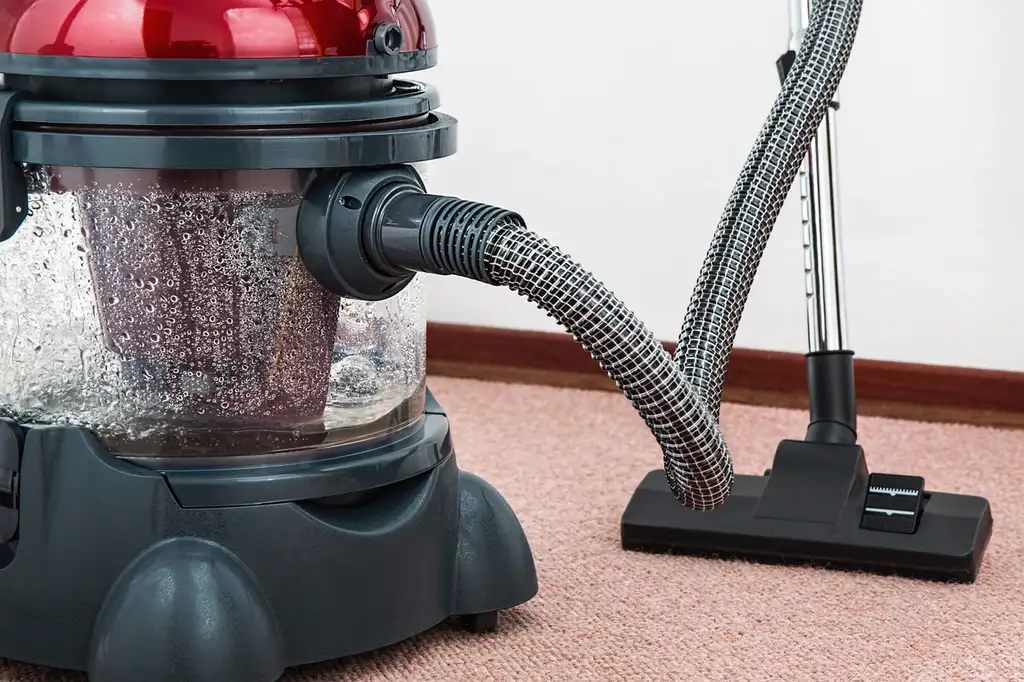
Truck-mounted and portable extraction units pull standing water from floors and carpet. A sump pump handles deeper water in basements and loading docks. For sewage backup, we remove contaminated materials and apply antimicrobial solution before drying.
We place air movers, dehumidifiers, and floor drying mats based on IICRC S500 formulas for your square footage. Daily moisture readings are logged and emailed to you. We do not remove equipment until the numbers prove the structure is dry.
We photograph every affected area, log all moisture readings, and build the scope in Xactimate. Your adjuster gets a complete package that speeds up claim approval. We bill your carrier directly for covered work.
After drying, we repair drywall, baseboards, paint, and flooring. Larger reconstruction projects are handled by the same project manager so you have one point of contact from start to finish.
The approach is the same for a home and a business. What changes is the access, the schedule and who needs the paperwork.
A burst pipe or appliance leak can soak your floors and walls before you notice. We extract, dry, and repair so your home is safe again.
Water damage can close your doors and cost you customers. We respond fast, dry your space, and document everything for your insurance carrier.
A plain-language look at what Commercial Water Damage Restoration involves and when it is needed.
See how it worksCommercial Water Damage Restoration in Fort Worth is the process of extracting standing water, drying structural materials, and restoring a business property to pre-loss condition after a leak, flood, or sewage backup. It is not a shop vac and a box fan. We use moisture meters, thermal imaging cameras, and hygrometers to map exactly where water traveled inside walls, under slab, and above ceilings. Extraction units pull thousands of gallons per hour, then air movers and dehumidifiers run until daily readings prove the structure is dry. Every step is documented in Xactimate for your insurance carrier.
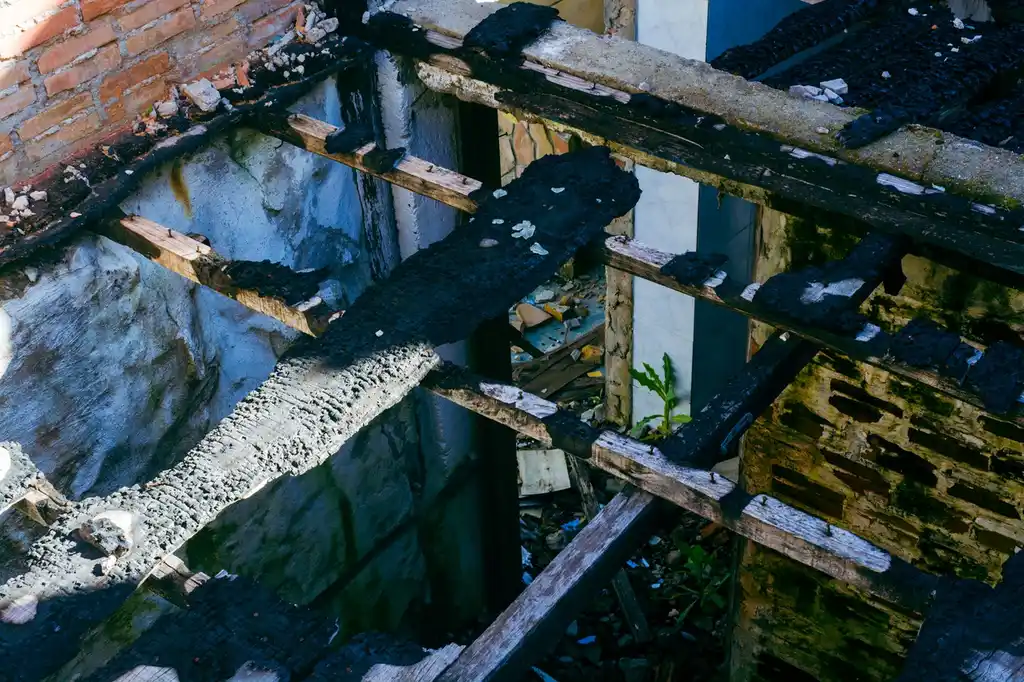
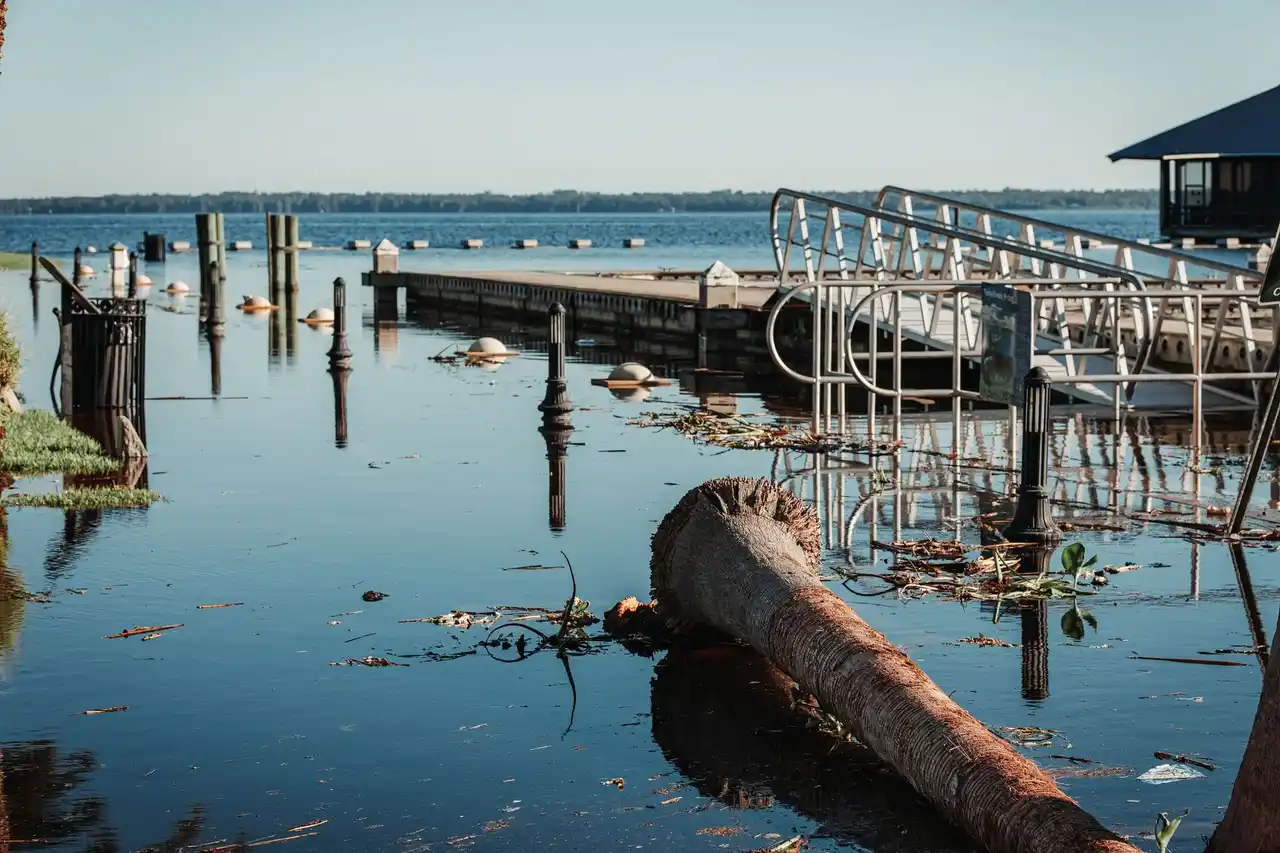
Fort Worth commercial properties face water damage from slab leaks under 1960s-era retail pads, burst pipes during January freezes, and storm flooding that overwhelms parking lot drains near the West 7th corridor. A slow appliance leak behind a commercial dishwasher can soak baseboards, drywall, and carpet padding for weeks before anyone notices the ceiling water stains.
Water damage gets worse every hour. Fast extraction and proper drying protect your building and your business.
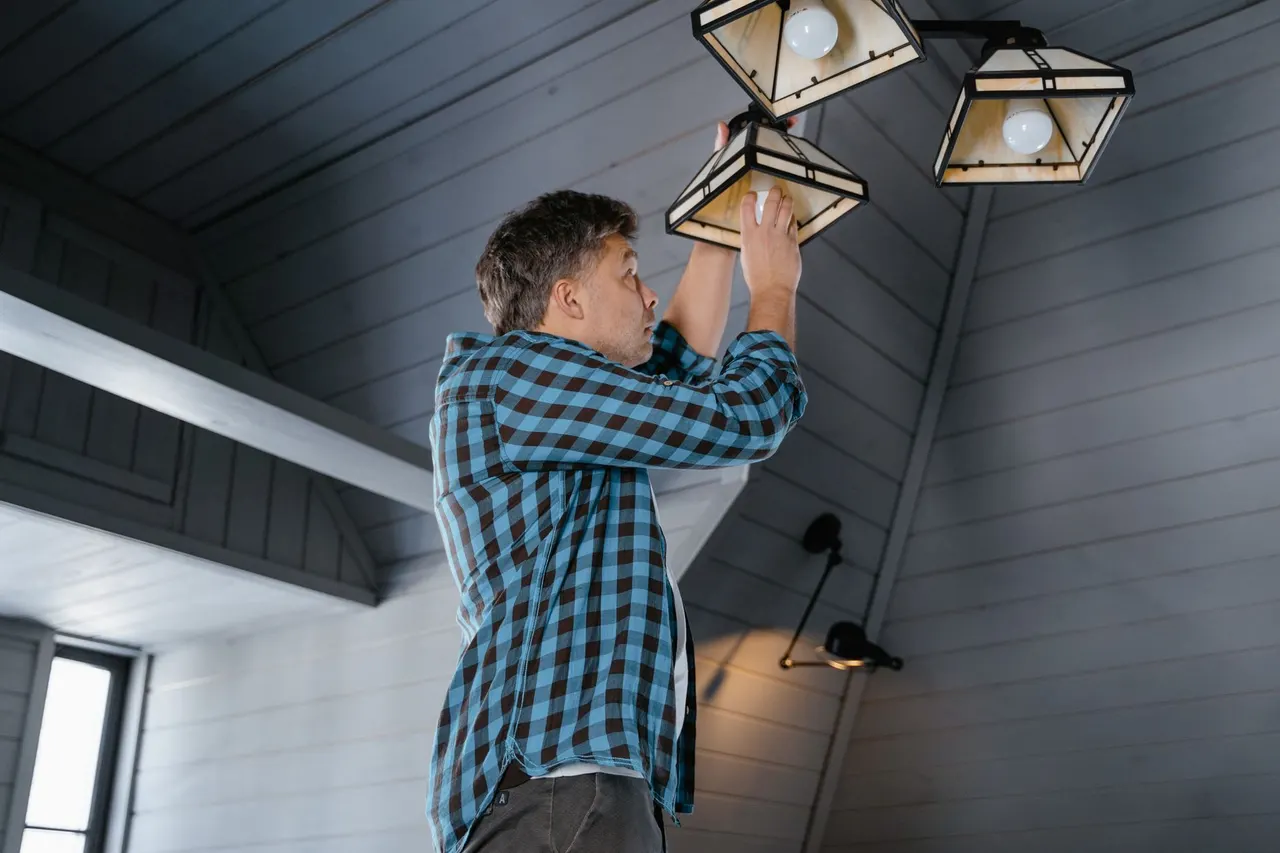
Every job follows the same five phases, whether it is a 2,000-square-foot office or a 40,000-square-foot warehouse. Here is exactly what happens from the first phone call to the final walkthrough.
You call +1 (817) 270-9150 and speak to a live dispatcher, not a voicemail. We ask what happened, where the water is coming from, and whether the power is safe to leave on. Within minutes we dispatch the nearest crew with extraction and drying equipment already loaded. You get a text with the technician name and estimated arrival time.
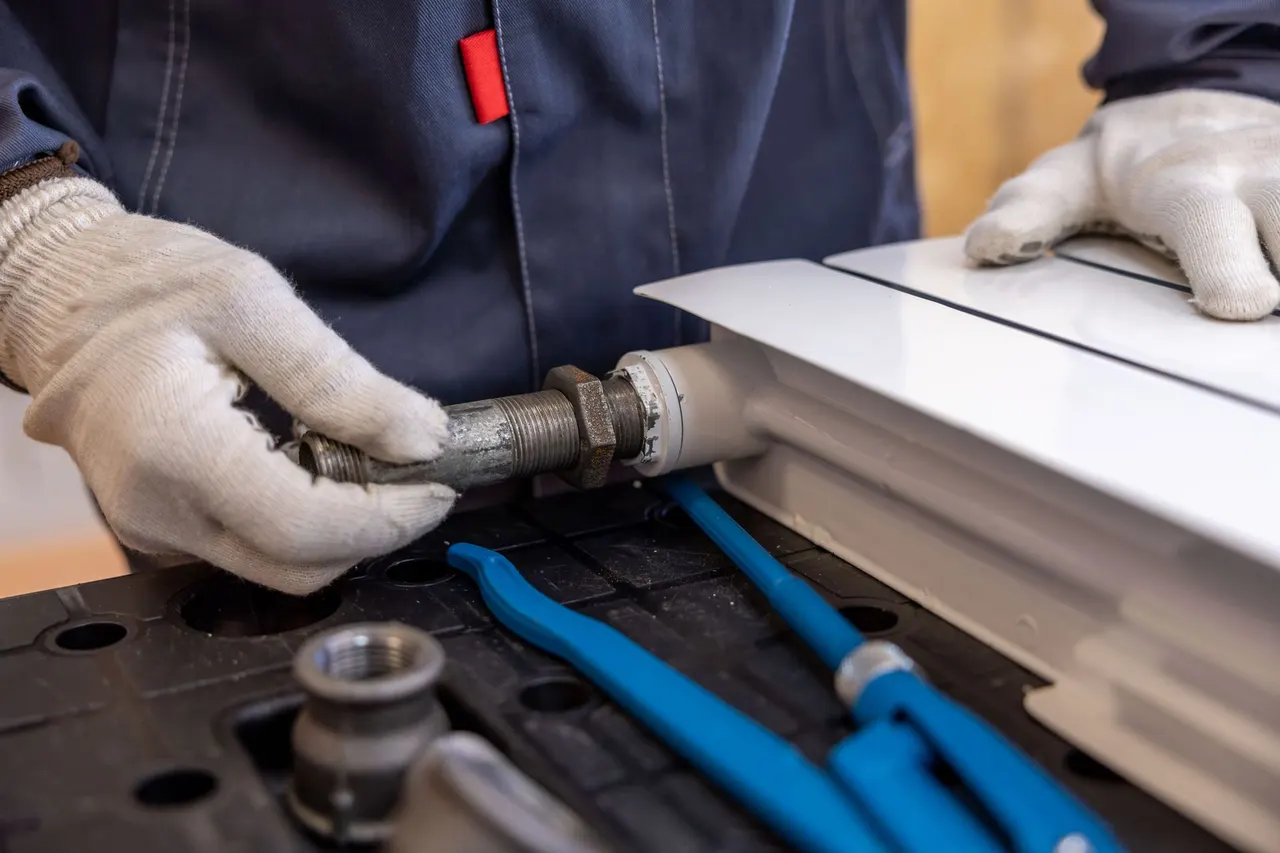
We map the migration path, check behind baseboards with a boroscope, and test ceiling cavities for hidden moisture. You get a written scope with photos before any drying equipment is set. This usually takes 45 to 90 minutes depending on square footage.
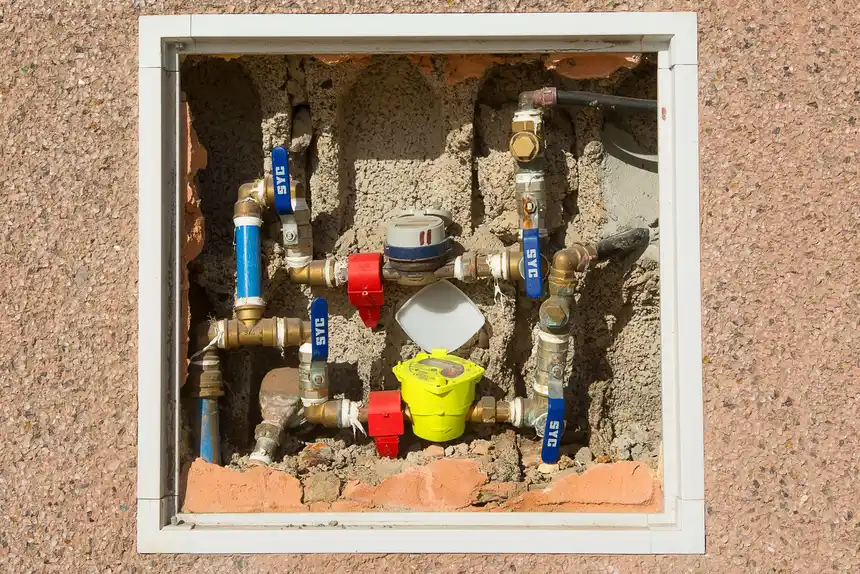
We pull standing water with truck-mounted and portable extraction units, then use weighted extraction on carpet and carpet padding. A sump pump handles deeper water in basements and loading docks. For sewage backup, we remove contaminated materials and apply antimicrobial solution before drying begins. Extraction typically runs two to six hours on a mid-size commercial loss.
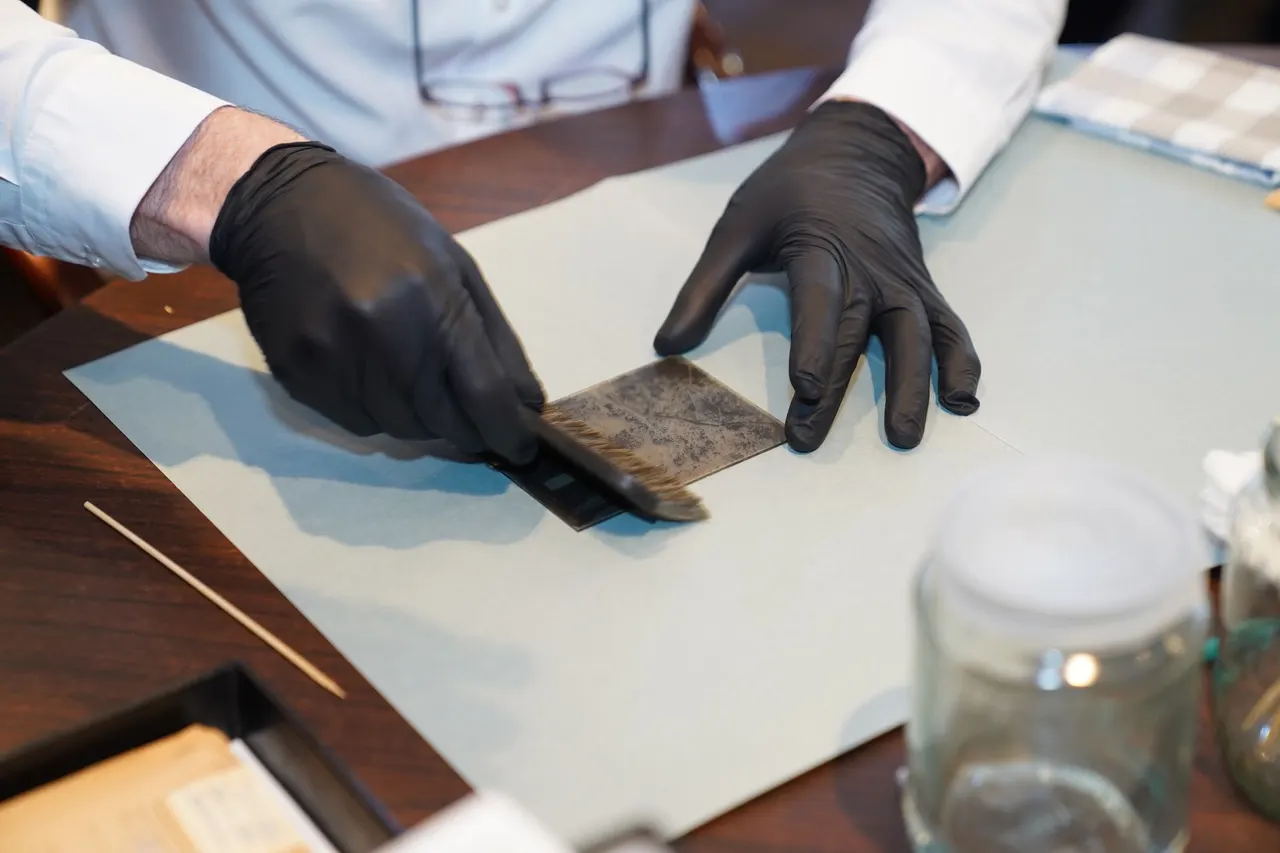
We set air movers and dehumidifiers based on the IICRC S500 formula for the affected square footage. Floor drying mats go under hardwood flooring. We check moisture readings daily and adjust equipment until dry standard is reached, usually three to five days. You get a daily drying log by email so you can see the progress without visiting the site.
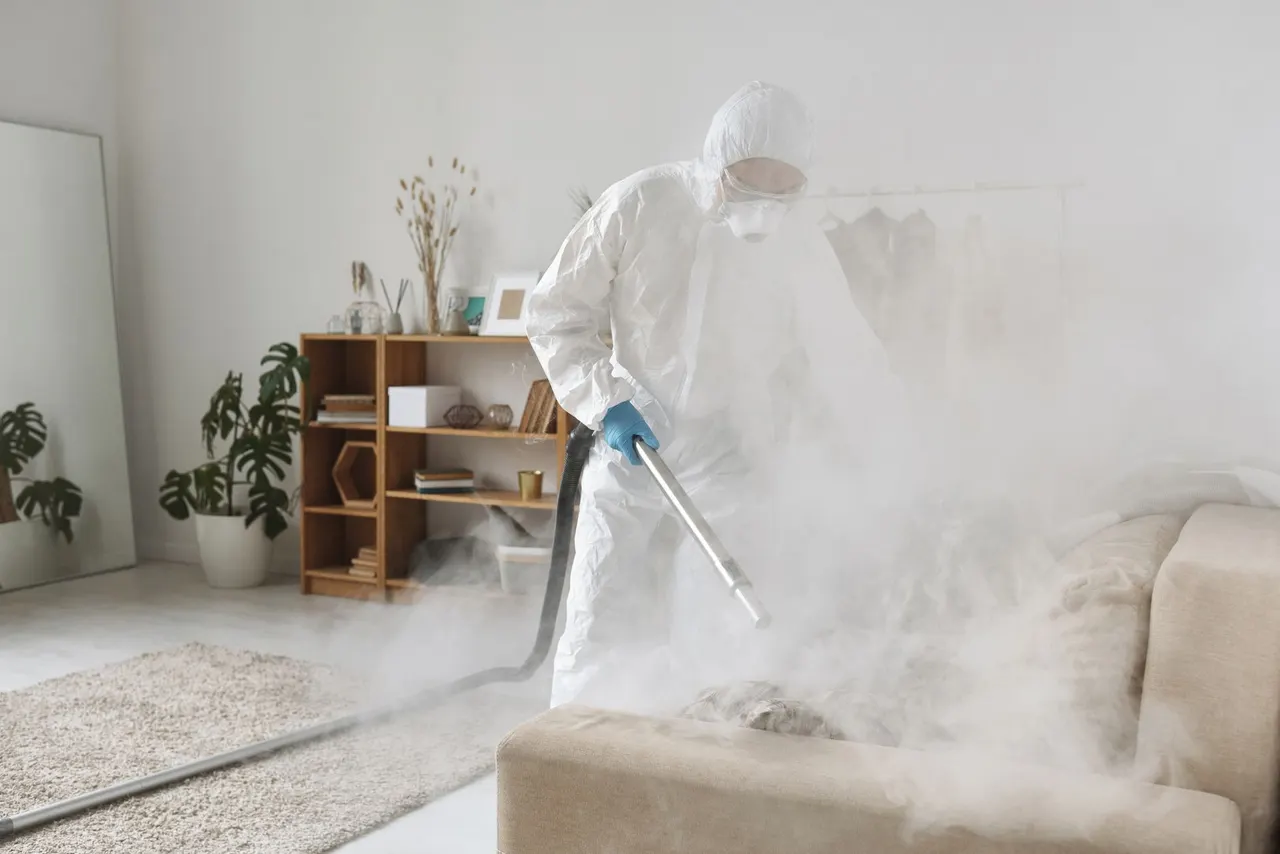
Once the structure is dry, we handle drywall repair, joint compound, paint, sealant, and flooring replacement. Our project manager walks the finished job with you, confirms every affected area is back to pre-loss condition, and sends the final documentation package to your insurance carrier. Most commercial jobs close out within 10 to 14 days from the first call.
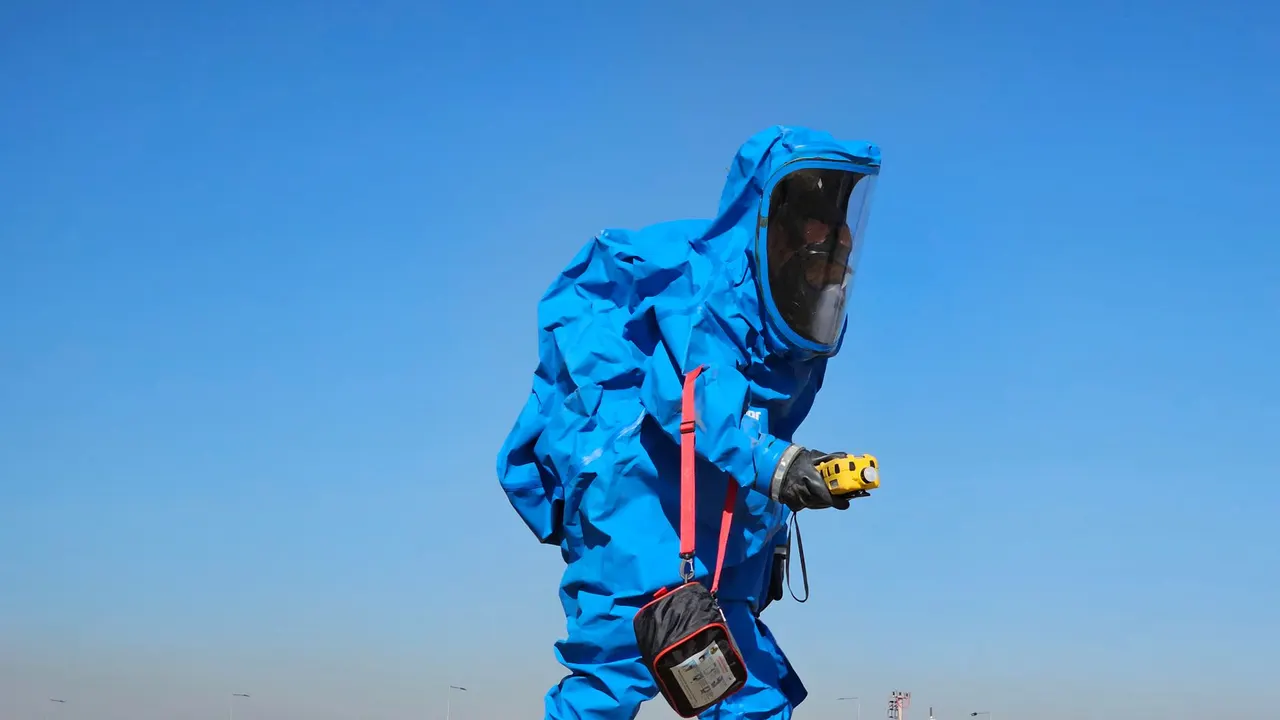
Move across a circle, or focus it and press Enter, for an illustrative thermal view of the photograph.
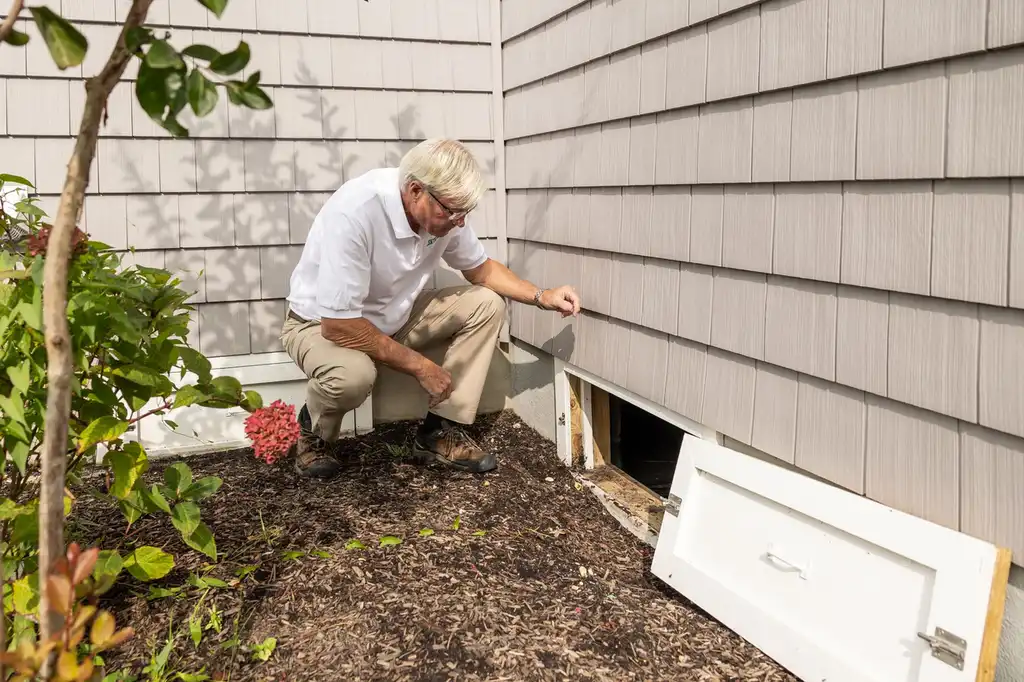
Measures moisture content in drywall, wood, and concrete. We use readings to map the extent of water migration and to determine when the structure has reached dry standard.
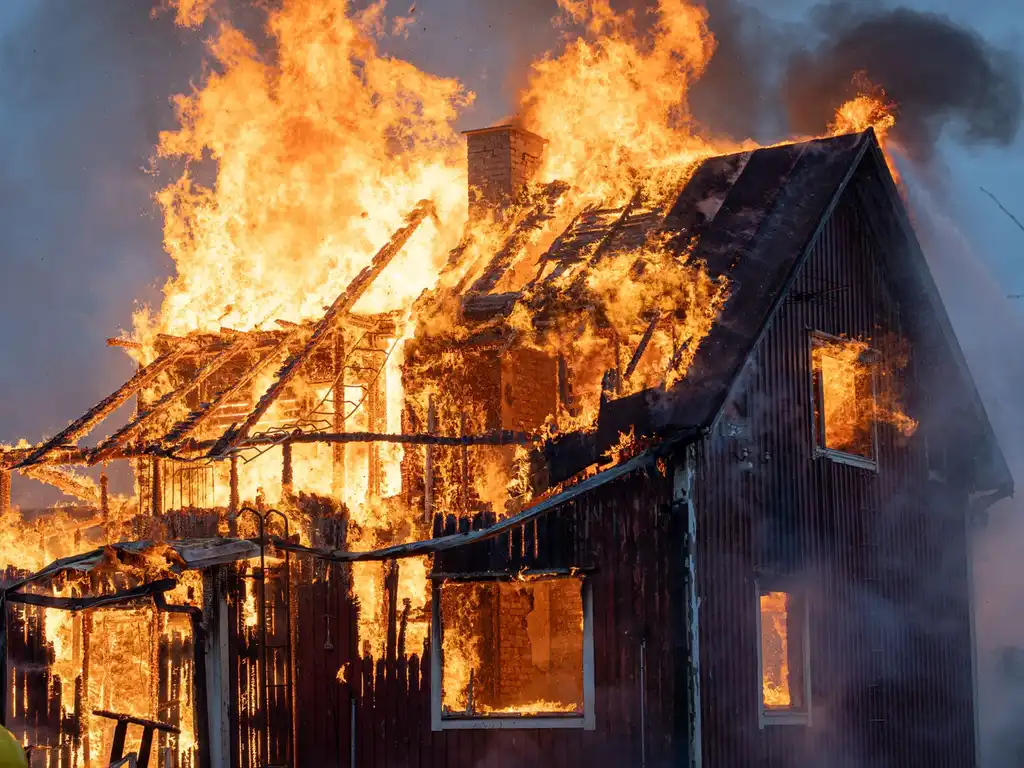
Reveals temperature differences that indicate hidden moisture behind walls, under floors, and above ceilings. This helps us find water you cannot see with the naked eye.
Truck-mounted and portable units pull thousands of gallons per hour from commercial floors. Weighted extraction heads pull water from carpet and carpet padding.
We use Dri-Eaz and Phoenix Restoration Equipment air movers and dehumidifiers to dry the structure. Equipment is sized to the affected square footage following IICRC S500 formulas.
For hardwood flooring and dense materials, drying mats force air underneath to dry the subfloor and boards without removing them. This saves flooring when the damage is caught early.
Thermal views are illustrative, generated from the photographs.
A small camera on a flexible rod lets us inspect inside wall cavities and behind baseboards without major demolition. We confirm hidden moisture before cutting into finished surfaces.
For deep water in basements, loading docks, and crawl spaces, a sump pump removes standing water quickly so extraction and drying can begin.
The IICRC S500 standard for water damage restoration defines how to inspect, extract, and dry a structure. We follow it on every job, from setting drying goals based on material type to taking daily moisture readings until dry standard is reached.
Xactimate is the estimating platform most insurance carriers use. We build line-item scopes in Xactimate with photos and moisture logs so your adjuster sees exactly what was done. This speeds up claim approval and reduces out-of-pocket costs.
We combine thermal imaging with moisture meter readings to create a map of the entire affected area. This ensures no hidden moisture is missed and drying equipment is placed where it is actually needed.
After extraction and before drying, we apply antimicrobial solution to affected surfaces. This inhibits mold growth and bacteria, especially important after sewage backup or storm flooding.
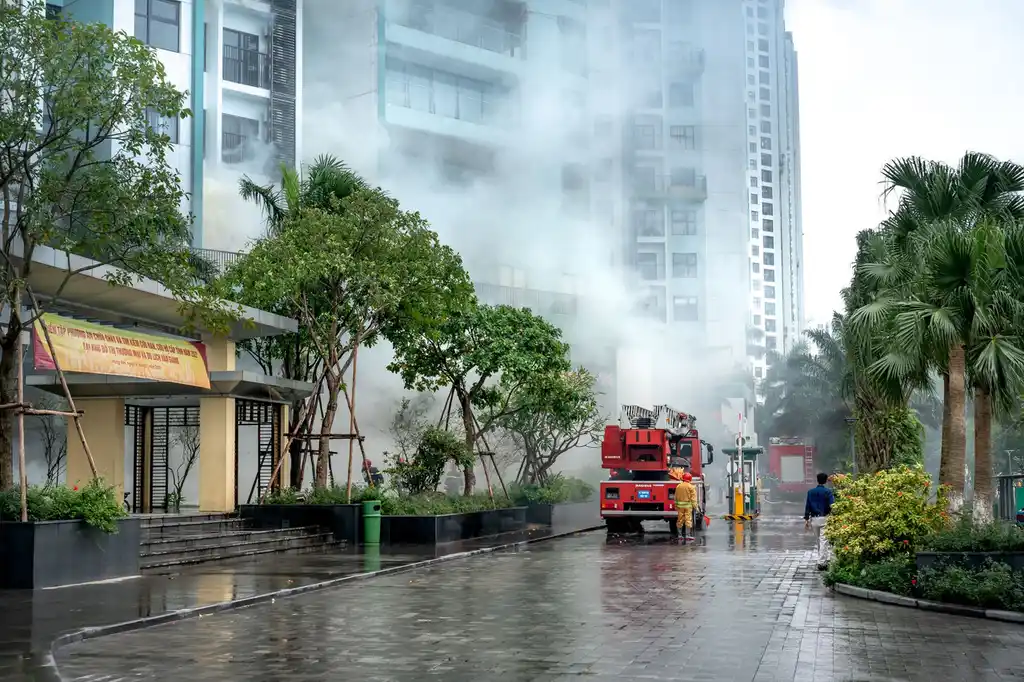
A frozen pipe bursts in your Downtown Fort Worth office tower on a January morning, sending water across three floors.
We dispatch a crew within 60 minutes, shut off the water, and extract from all affected floors. Thermal imaging finds water inside wall cavities. We set drying equipment on each floor and document the loss in Xactimate for your carrier.
Outcome: The building is dry in four days and repairs are completed within two weeks. Your tenants never lose more than a day of work.
Your Cultural District restaurant has a sewage backup that floods the kitchen and dining room before dinner service.
We treat it as a biohazard, remove contaminated materials, apply antimicrobial solution, and dry the space with air movers and dehumidifiers. We work around your schedule to minimize closure time.
Outcome: The restaurant passes health inspection and reopens within five days. No lingering odor, no repeat problems.
A slab leak under your Near Southside warehouse soaks 5,000 square feet of concrete floor and damages stored inventory.
We confirm the leak with thermal imaging, coordinate the plumbing repair, then dry the slab with floor drying mats and dehumidifiers. We document damaged inventory for your insurance claim.
Outcome: The floor is dry in three days and inventory loss is minimized. Your warehouse is back to full operation within a week.
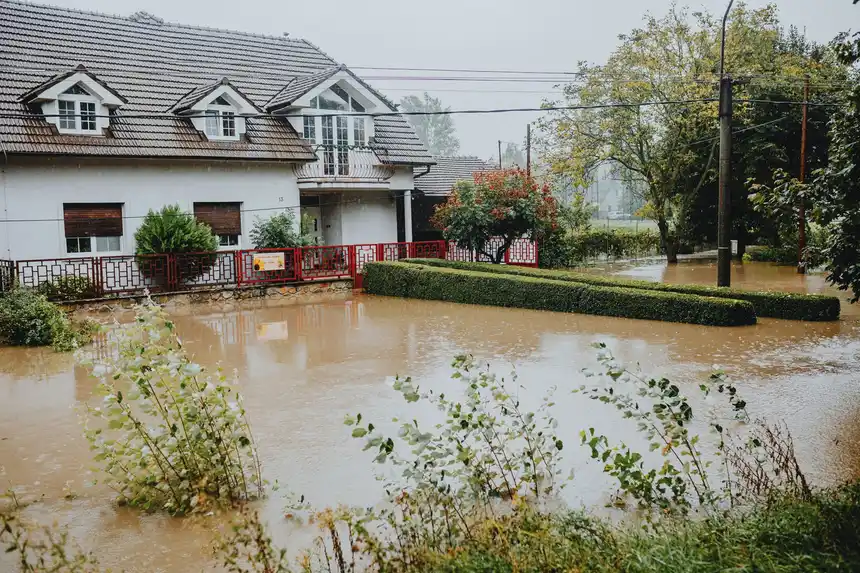
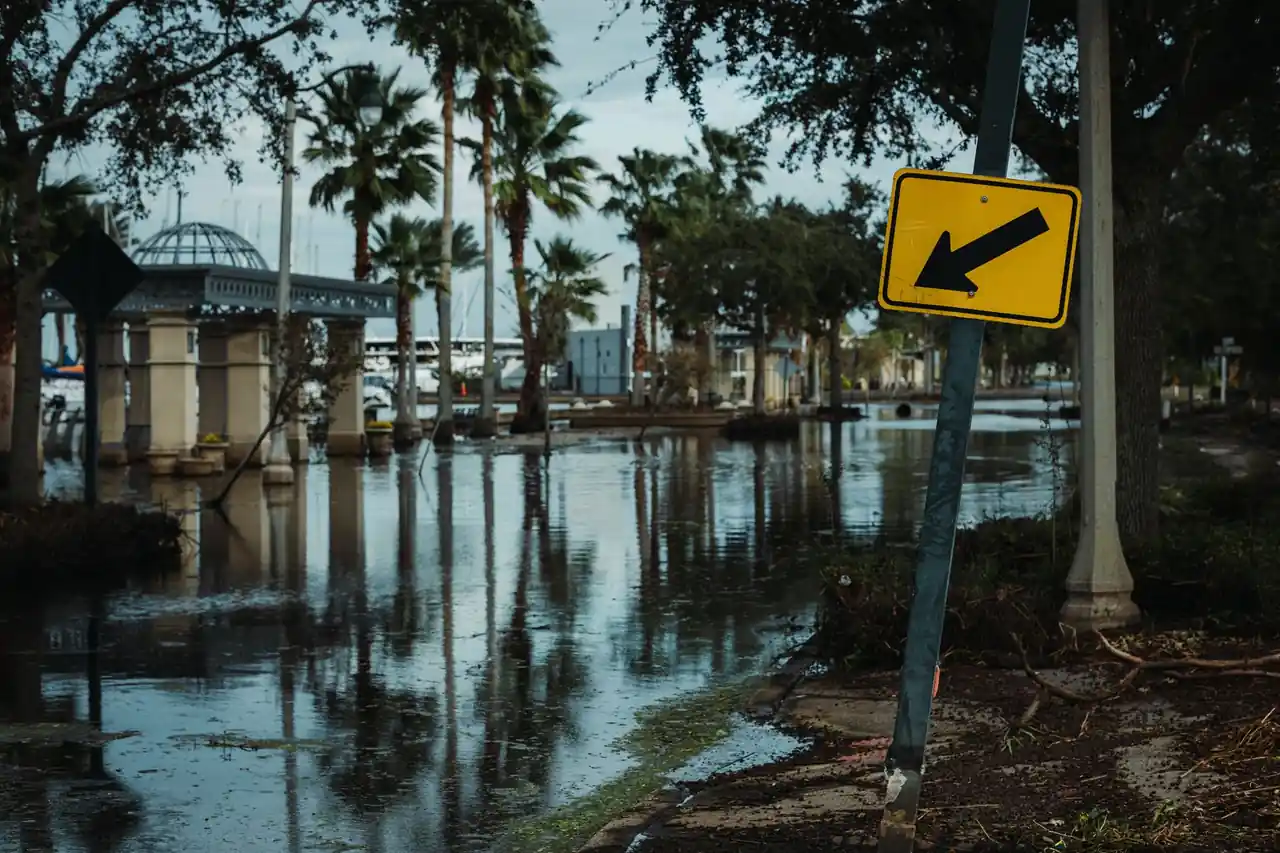
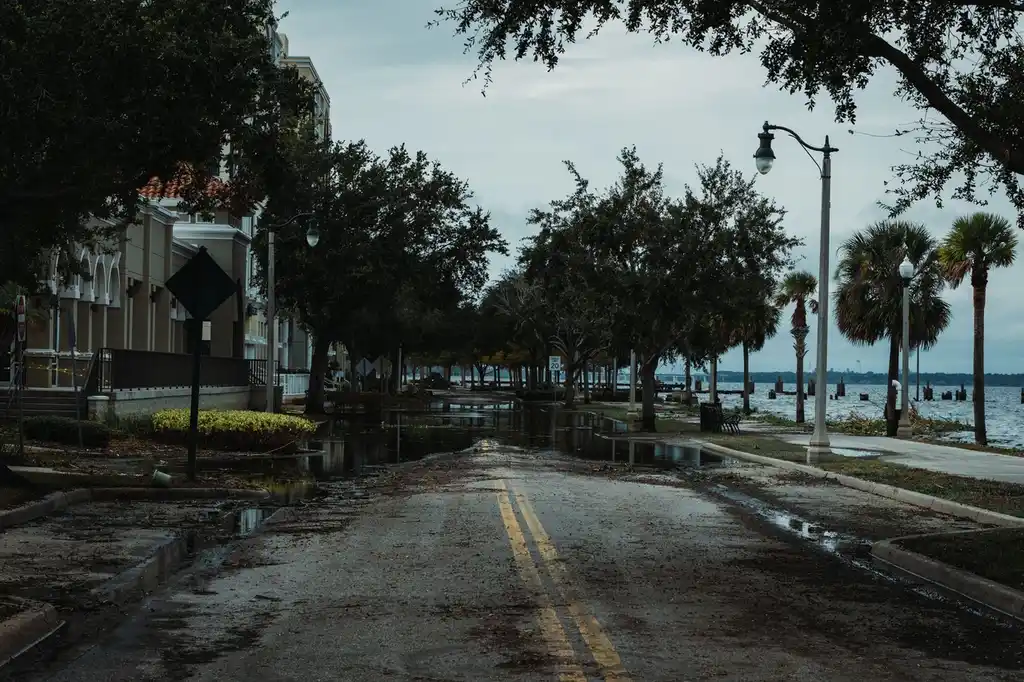
Storm flooding pushes water into your West 7th retail space through the front doors during a heavy rain event.
We extract the water, remove wet carpet and padding, and dry the space. If the roof was damaged, we tarp it to prevent further intrusion. We handle the entire job from emergency response through repairs.
Outcome: Your store reopens in four days with new flooring and no mold issues. Customers never know there was a flood.
Fort Worth commercial properties face water damage from a specific set of local conditions. January freezes burst pipes in older buildings with uninsulated exterior walls. Spring and fall storms dump inches of rain in hours, overwhelming parking lot drains near the West 7th corridor and Trinity River bottomlands.
Slab leaks are common under 1960s-era retail pads in Near Southside and Fairmount, where cast iron drain lines have been in the ground for decades. We know how these buildings are constructed and where water hides. Our crews follow TDLR and local code requirements for demolition and reconstruction, and we handle EPA Lead-Safe practices on pre-1978 buildings.
We also coordinate with the Texas Department of Insurance on commercial claims so your adjuster gets what they need.
Before: A frozen pipe burst on the 12th floor of a Downtown Fort Worth office tower at 2 a.m. Water ran down stairwells and soaked three floors of carpet, drywall, and ceiling tiles. Tenants arrived to standing water and a closed building.
After: We extracted 4,000 gallons, set 60 air movers and 12 dehumidifiers across three floors, and dried the structure in four days. Repairs were completed in 12 days. All three tenants were back to work with no mold issues.
We recommended pipe insulation on exterior walls and a freeze alarm. The property manager now schedules a pre-winter inspection every November to catch vulnerable lines before the first freeze.
Before: A sewage backup flooded the kitchen and dining room of a Cultural District restaurant two hours before dinner service. Contaminated water covered 1,200 square feet of tile and soaked the base of drywall and cabinetry.
After: We removed contaminated materials, applied antimicrobial solution, and dried the space in three days. New drywall, baseboards, and paint were completed in five days. The restaurant passed health inspection and reopened in under a week.
We installed a backwater valve on the main sewer line and recommended annual drain cleaning. The owner now has a preventive maintenance contract to avoid another backup.
Before: A slab leak under a Near Southside warehouse soaked 5,000 square feet of concrete floor and damaged stored inventory. The owner noticed buckling floors and a high water bill but did not know the source.
After: We confirmed the leak with thermal imaging, coordinated the plumbing repair, and dried the slab with floor drying mats and dehumidifiers in three days. Inventory loss was limited to a few pallets. The warehouse was back to full operation in a week.
We recommended a monthly moisture check near the repaired area and a water bill monitoring routine. Catching a slab leak early saves thousands in inventory and repair costs.
Water damage shows up in different ways depending on your building type and location. Here are the most common problems we solve for Fort Worth commercial properties, and what happens when they are ignored.
Fast, documented drying that gets your business back open without mold problems.
We target 60 minutes or less from your call to a crew on site anywhere inside Loop 820. That matters when a pipe bursts at 2 a.m. and water is running under your sales floor. Our trucks carry water extraction units, Dri-Eaz air movers, and Phoenix dehumidifiers so drying starts the moment we arrive, not the next morning.
We photograph every affected room, log moisture readings with a hygrometer, and build the scope in Xactimate, the same platform most carriers use. That means fewer adjuster questions and faster claim approval. We have walked hundreds of Tarrant County commercial claims from first notice of loss through final invoice.
Our WRT and ASD technicians follow IICRC S500 drying standards, not guesswork. We set drying goals based on material type, take daily moisture readings, and do not pull equipment until the numbers prove the structure is dry. That protects you from a mold growth callback three weeks later.
Extraction, structural drying, drywall repair, painting, and flooring go through one project manager. You get one phone number, one schedule, and one invoice. For office water damage restoration Fort Worth projects, that means your tenants deal with one point of contact instead of four subcontractors.
Clear records you can keep and share.
Daily readings emailed to you
Before, during, and after photos
Line-item pricing before work begins
Final readings proving dry standard
Not all water damage is the same. The category of water determines what can be dried and what must be removed.
Clean water from a supply line
Gray water with some contamination
Black water, highly contaminated
A list like this tells people straight away whether you cover their street. Not listed? Call and ask: it only takes a minute.
Based in Fort Worth and covering the places around it. Pick one for local details.
Your insurance carrier typically covers the majority of the cost. We provide a written scope with line-item pricing before work begins.
Fort Worth Restorations handles commercial water damage cleanup Fort Worth TX for offices, retail, restaurants, and warehouses across Tarrant County. Call +1 (817) 270-9150 and we will dispatch the nearest crew, usually within 60 minutes inside Loop 820.
Most commercial property policies cover sudden and accidental water damage, including burst pipes, appliance leaks, and storm flooding. Sewage backup coverage is often a separate endorsement. We document every job in Xactimate and bill your carrier directly. We have handled hundreds of Tarrant County commercial claims and can walk you through the process from first notice of loss to final payment.
Extraction takes two to six hours. Structural drying runs three to five days with daily moisture readings. Repairs and reconstruction add five to ten days depending on scope. A typical office water damage restoration Fort Worth Texas job closes out in 10 to 14 days from the first call. Larger losses with sewage backup or storm flooding can take three to four weeks.
Other services from the same team.
Water spreads fast. Every hour you wait adds drying time, repair cost, and mold risk.
Call +1 817-270-9150 any time, day or night. We answer, ask a few questions about the source and the rooms affected, and dispatch a crew. If you prefer email, send photos and your address to info@fortworthrestorations.com and we will follow up with next steps.