For homes and rentals
We repair water-damaged drywall in houses, condos, and apartments. We work around your schedule and keep the mess contained.
- Ceiling stains from roof leaks
- Wet walls behind appliances
- Soft drywall near baseboards
When a pipe bursts or a roof leak soaks your ceiling, Drywall Water Damage Repair in Fort Worth stops the damage from spreading. We cut out saturated drywall, dry the framing with air movers and dehumidifiers, then hang, tape, and texture new panels that match your existing walls. Serving homeowners, landlords, and property managers across Tarrant County, TX, we handle everything from a single soggy patch to a whole-room rebuild.
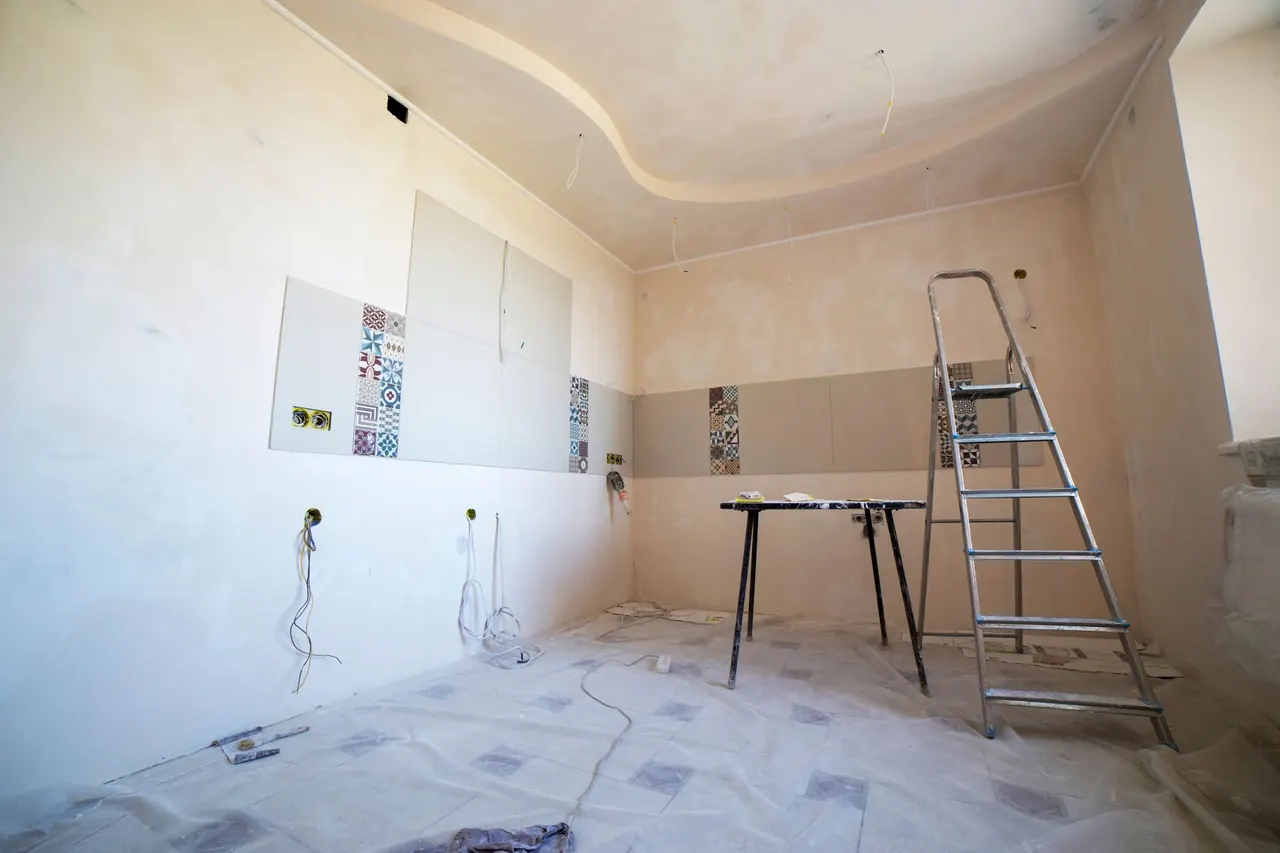 Moisture mappingControlled demoTexture matching
Every job is different, but most drywall water damage repairs include the same core steps. Here's what's covered when you hire us. If your job needs something beyond this list, we'll tell you upfront and include it in the estimate before we start.
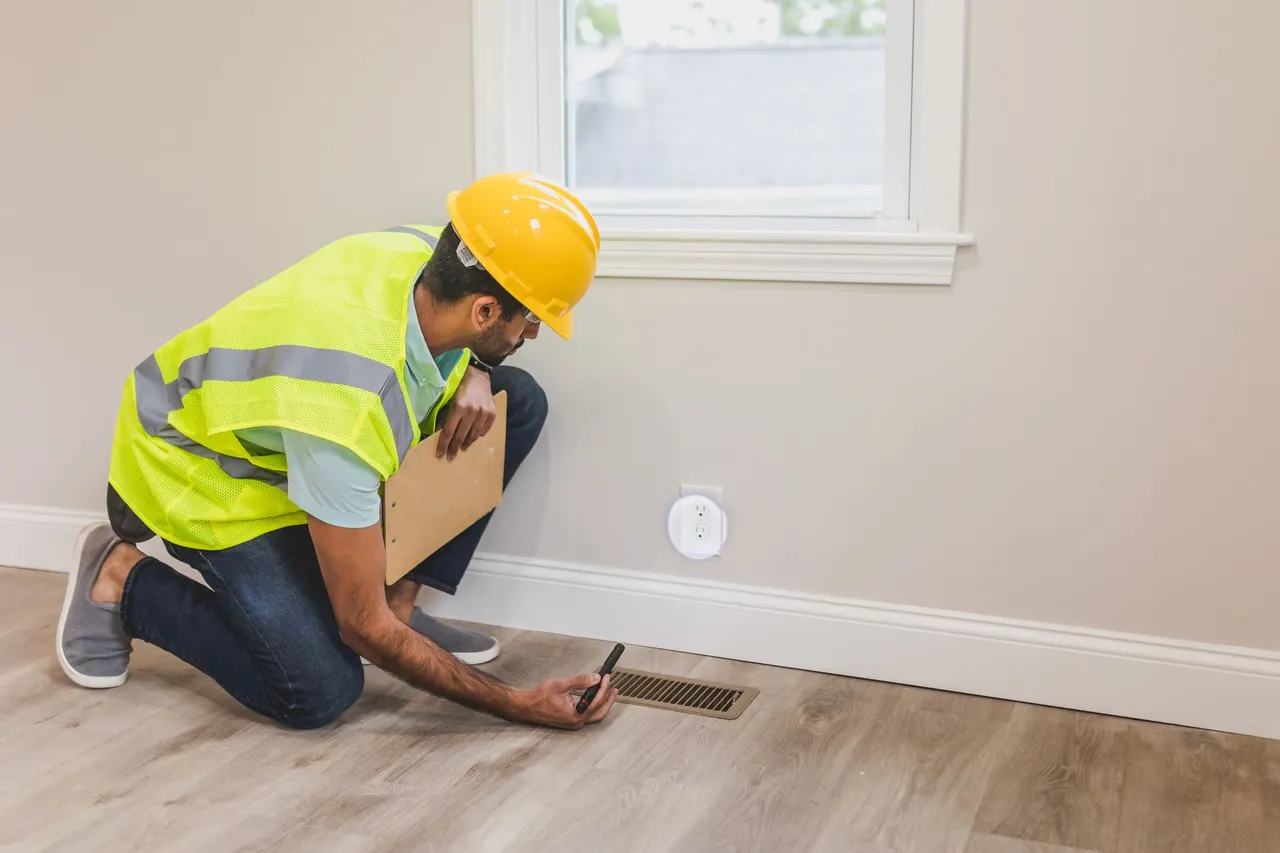
We use a moisture meter and thermal imaging camera to find every wet spot in the wall and ceiling. This step makes sure we remove all the damaged drywall, not just the part you can see.
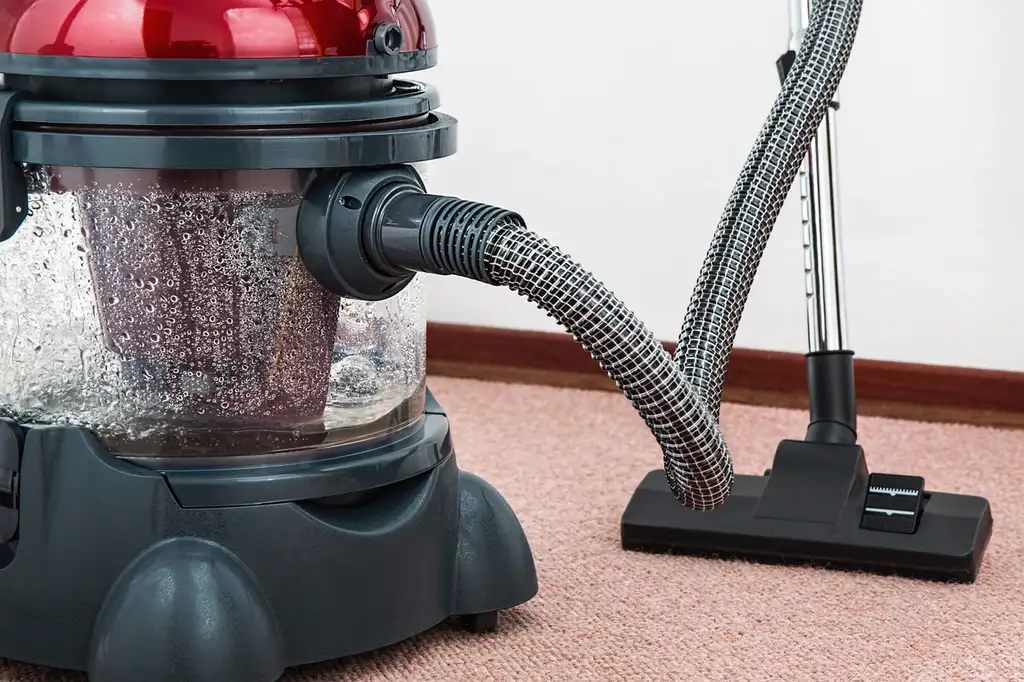
We cut out the saturated drywall, remove wet insulation, and haul the debris away. Plastic containment keeps dust out of the rest of your home during the work.
Dri-Eaz air movers and a Phoenix dehumidifier run until the framing reads dry on a hygrometer. We check readings daily and adjust equipment as needed.
We hang new panels, tape the seams, apply joint compound, and match the existing texture. The wall is then primed and painted to blend with the rest of the room.
We apply an antimicrobial solution to the framing before closing the wall. This helps prevent mold growth if any moisture remains in the cavity.
We provide photos, moisture logs, and Xactimate estimates for your claim. If your adjuster has questions, we'll talk to them directly.
The approach is the same for a home and a business. What changes is the access, the schedule and who needs the paperwork.
We repair water-damaged drywall in houses, condos, and apartments. We work around your schedule and keep the mess contained.
We handle drywall repair for offices, retail, and multi-family properties. We work after hours to keep your business running.
A plain-language look at what Drywall Water Damage Repair involves and when it is needed.
See how it worksDrywall Water Damage Repair in Fort Worth is the process of removing wet, crumbling drywall, drying the framing behind it, and installing new panels so your wall or ceiling looks and performs like it did before the leak. We start by finding the moisture with a moisture meter and thermal imaging camera, because water travels sideways and down farther than most people expect. Then we cut out the damaged section, set up air movers and a dehumidifier, and monitor the cavity until the framing reads dry on a hygrometer. Only then do we hang new drywall, tape the seams, and finish with joint compound, texture, and paint.
Fort Worth homes deal with slab leaks, burst pipes during a February freeze, and storm flooding that pushes water under baseboards and into wall cavities. If you search for drywall water damage repair near me Fort Worth after a pipe lets go at 2 a.m., you need a crew that can stop the spread before mold growth starts. We handle emergency drywall repair Fort Worth TX calls across Tarrant County and know how quickly a wet wall turns into a bigger problem in our climate.
Wet drywall has to come out and the framing has to dry before new panels go up.
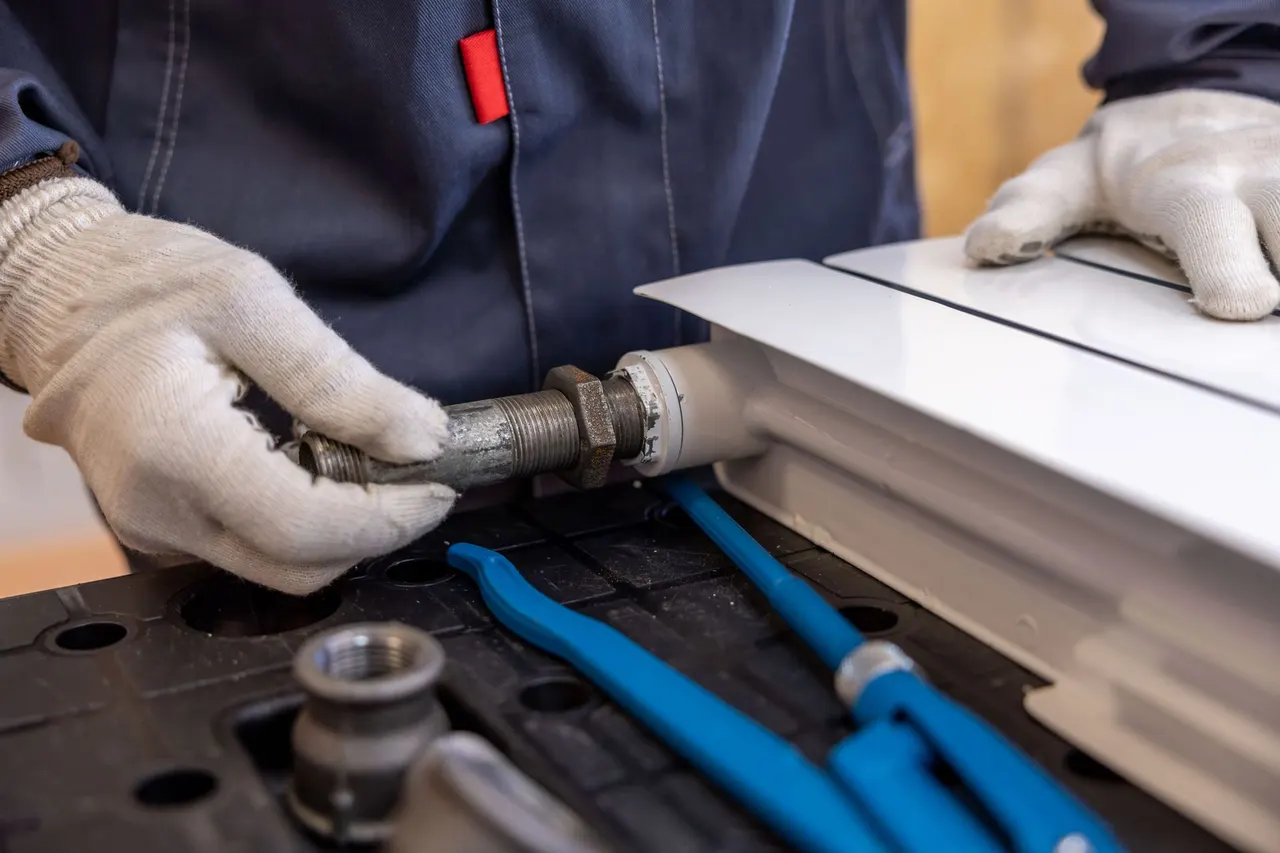
Every job follows the same sequence: find the water, stop it, dry the structure, rebuild the wall, and verify the repair. Here's what you can expect from the first call to the final walkthrough.
We walk the affected rooms with a moisture meter and thermal imaging camera to find every wet spot, including the ones you can't see. A hygrometer confirms humidity levels in the wall cavity. This usually takes 30 to 45 minutes, and we explain what we find before any work starts.
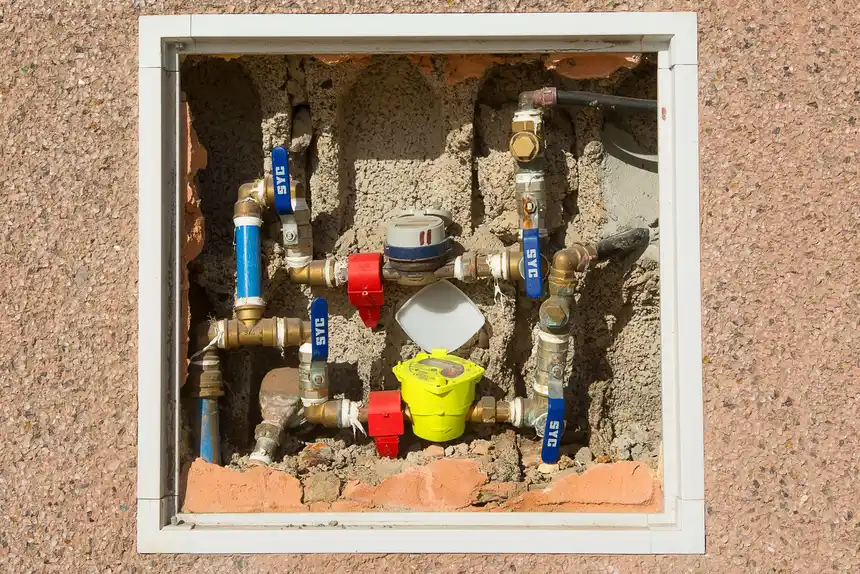
We set up plastic containment to keep dust out of the rest of your home, then cut out the saturated drywall with a RIDGID oscillating tool. Baseboards come off if water wicked behind them. We bag the debris and haul it away the same day.
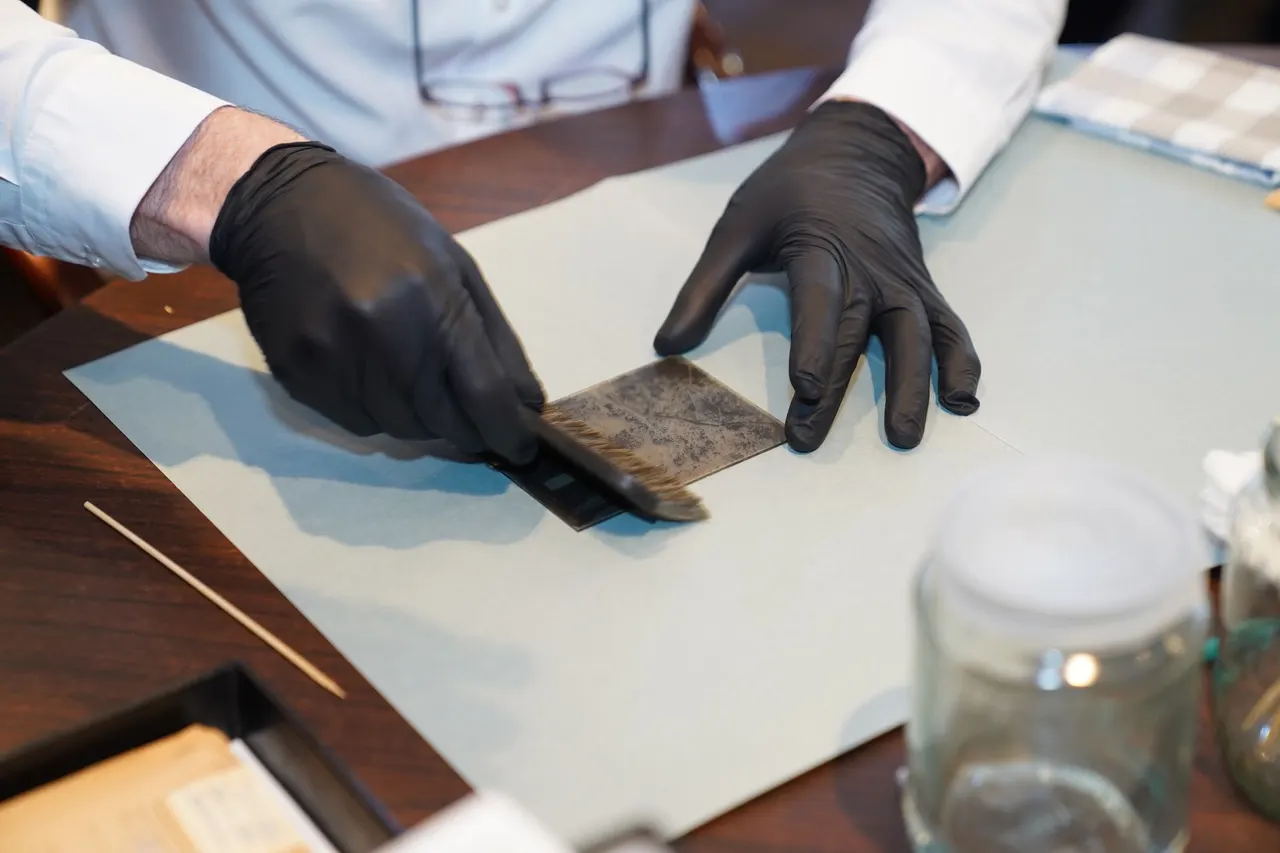
Dri-Eaz air movers and a Phoenix Restoration Equipment dehumidifier run in the room to pull moisture out of the framing, insulation, and subfloor. We check readings daily and adjust equipment placement. Most walls dry in two to four days, depending on how long the water sat.
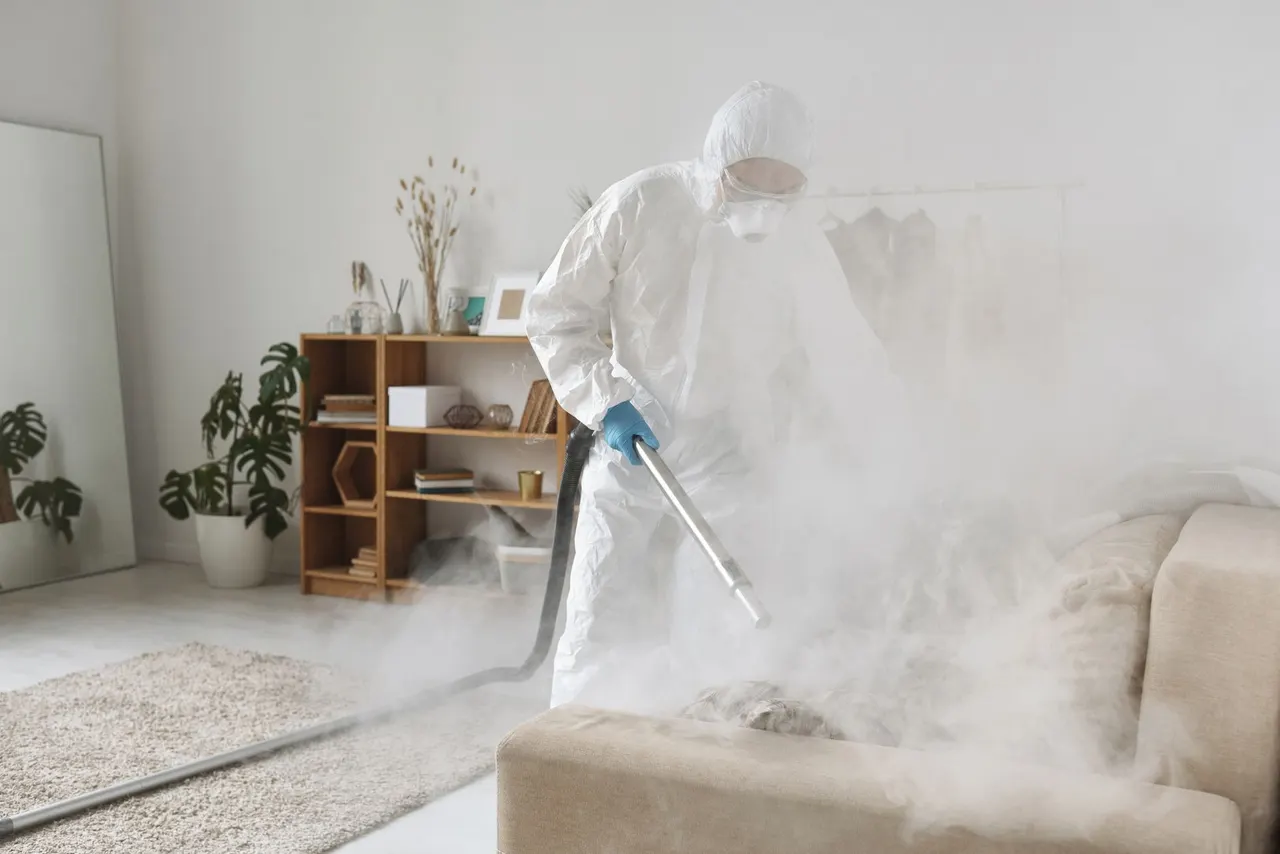
Once the framing reads dry, we hang new drywall, tape the seams, and coat them with joint compound. We match the existing texture, then prime and paint. If the leak came from a slab leak or burst pipe, we coordinate with the plumber so the repair isn't undone by another leak.
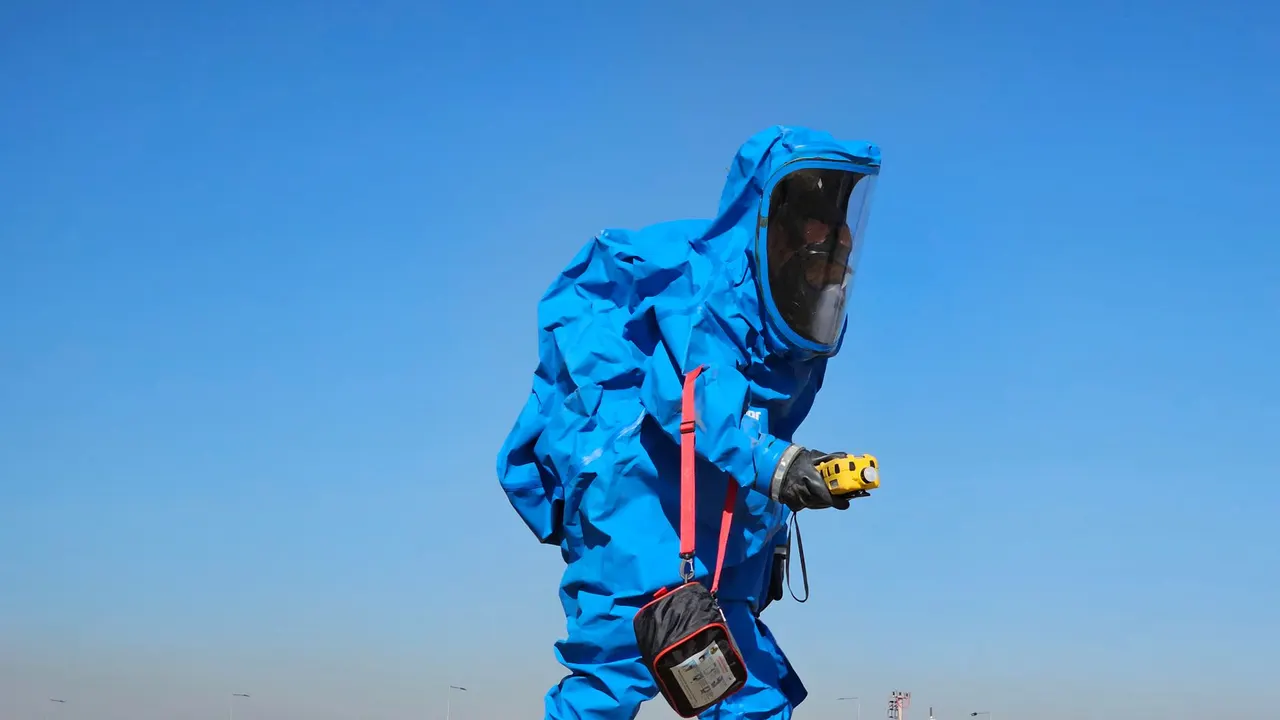
We do a final moisture check, photograph the finished repair, and walk you through the work. You get a written summary of what was replaced, what was dried, and what to watch for. If you filed an insurance claim, we send the documentation your adjuster needs.
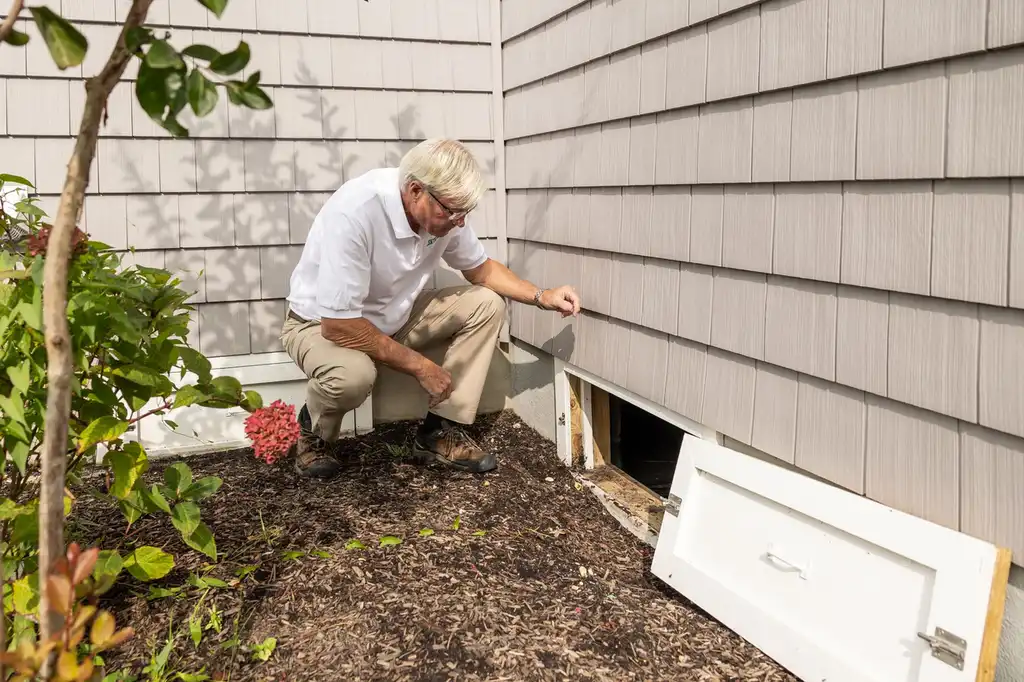
Move across a circle, or focus it and press Enter, for an illustrative thermal view of the photograph.
Reads moisture content in drywall and framing so we know exactly how far the water traveled and when the cavity is dry.
Shows temperature differences behind walls, which reveals hidden moisture without cutting open every section.

High-velocity fans that evaporate moisture from framing and drywall surfaces so the dehumidifier can pull it out of the air.
Pulls moisture out of the air in the contained space, speeding up drying and preventing secondary damage.
Cuts clean lines in drywall during controlled demolition so the repair patch is square and easy to finish.
Thermal views are illustrative, generated from the photographs.
Measures relative humidity in the wall cavity. We use it daily to confirm the framing is dry before hanging new drywall.
Lets us look inside the wall cavity without making a large cut, so we can check for mold or hidden moisture.
We follow the IICRC S500 standard for drying and restoration. It tells us how much airflow and dehumidification a space needs based on its size and moisture level.
We map moisture with a thermal camera and moisture meter before demolition. This ensures we remove all the wet drywall, not just the visible damage.
We take hygrometer readings every day during the drying phase. We don't close up a wall until the framing reads dry, which prevents mold growth behind the new panels.
We write estimates in Xactimate, the same software most Texas insurance carriers use. That makes your claim easier to process and reduces back-and-forth with the adjuster.
A pipe bursts in your attic during a freeze and water runs down through the ceiling drywall.
We cut out the saturated ceiling drywall, set up containment, and run air movers and a dehumidifier to dry the attic framing and ceiling cavity. We coordinate with a plumber to repair the pipe.
Outcome: The ceiling is dried, repaired, textured, and painted. You avoid mold growth and a much larger repair bill.
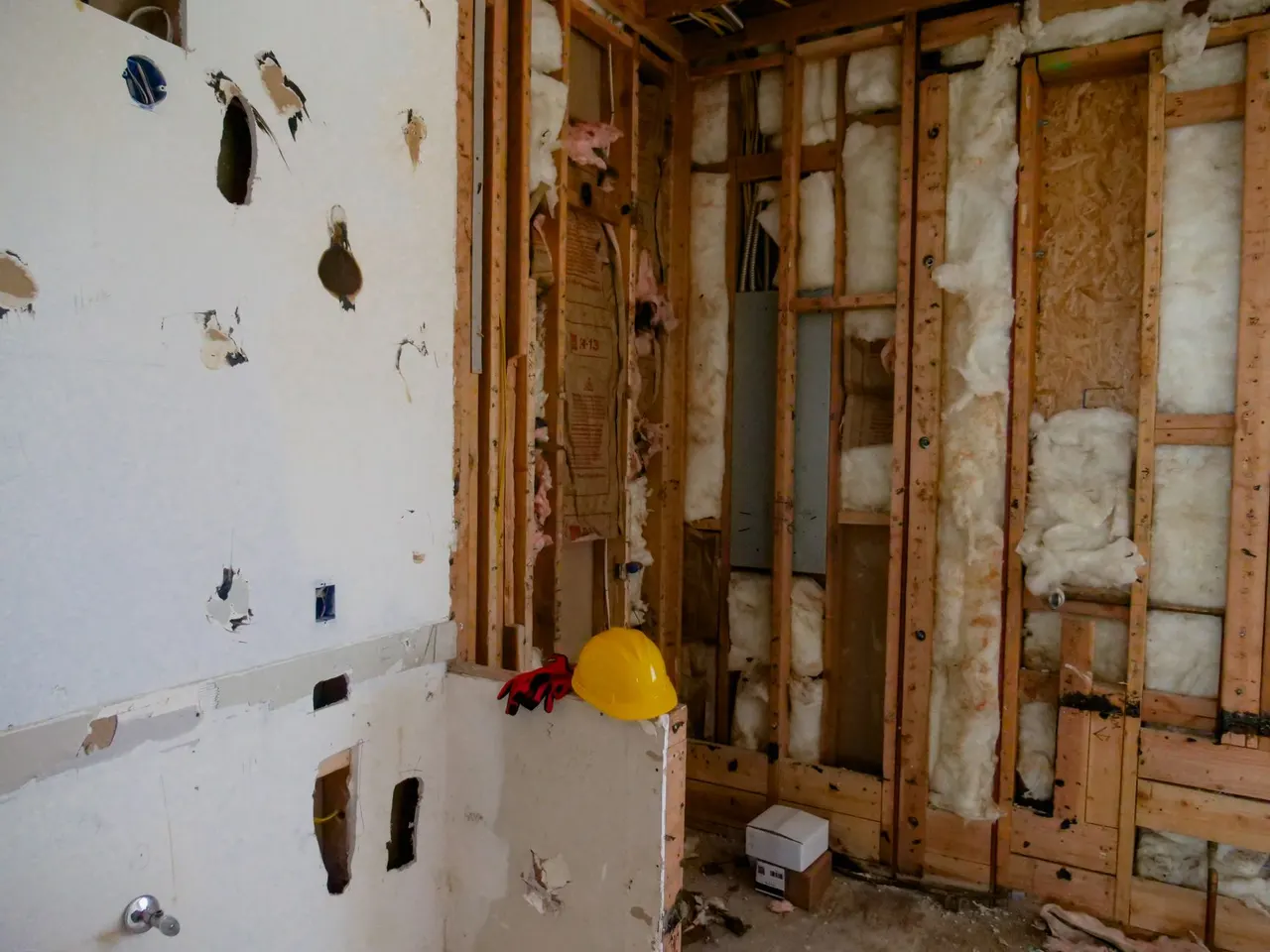
Your water heater leaks in the garage and soaks the wall behind it.
We move the water heater, cut out the wet drywall, dry the wall cavity, and replace the panels. We also check the subfloor and baseboards for moisture.
Outcome: The wall is dry and repaired, and the new drywall is textured to match the garage finish.
A storm drives rain through your roof and water stains appear on the ceiling drywall.
We tarp the roof if needed, find the leak, cut out the stained drywall, dry the ceiling cavity, and install new panels. We match the ceiling texture.
Outcome: The ceiling looks new, the leak is fixed, and you have documentation for your insurance claim.
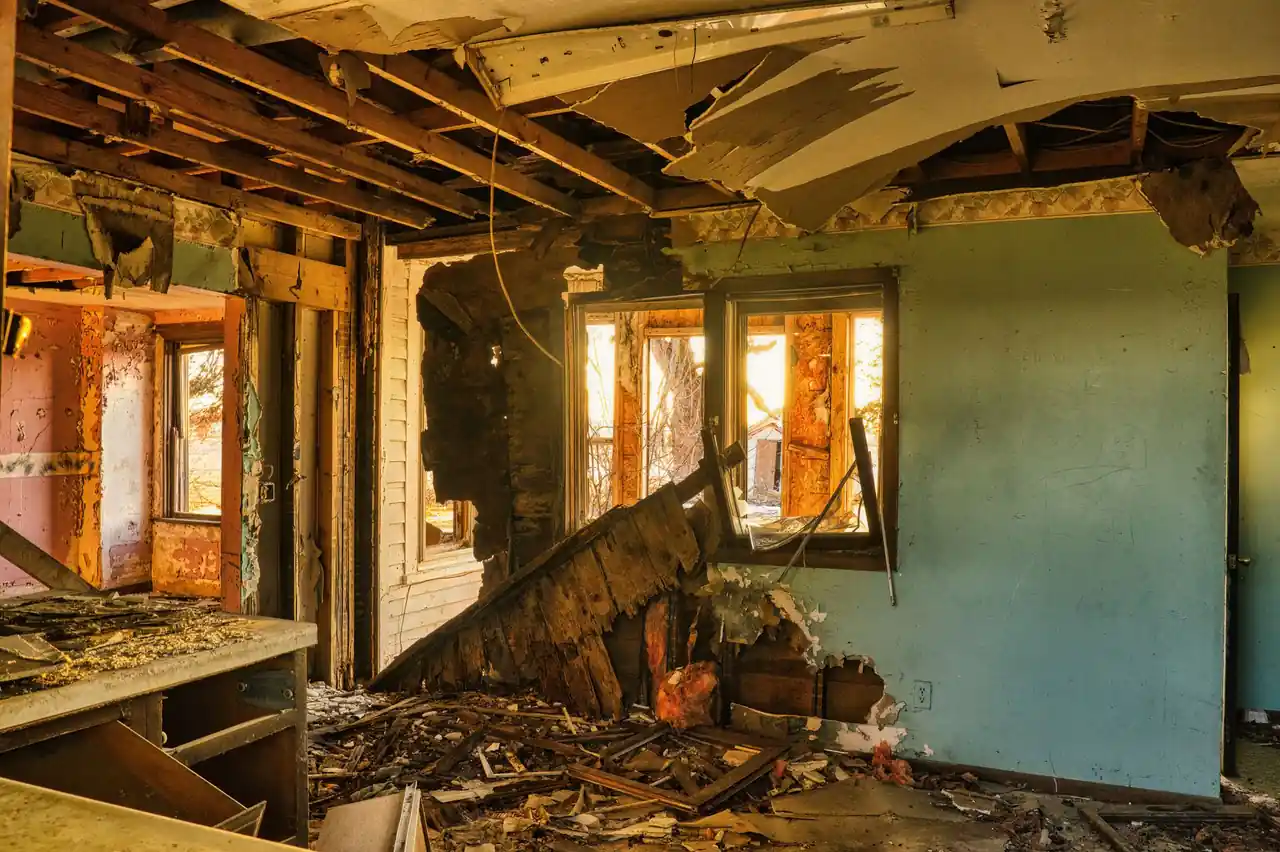
A slab leak soaks the drywall at the bottom of your hallway wall.
We use thermal imaging to map the moisture, remove the wet drywall, dry the framing, and rebuild the wall. We coordinate with a plumber to repair the slab leak.
Outcome: The wall is dry and repaired, and the slab leak is fixed so the damage doesn't come back.
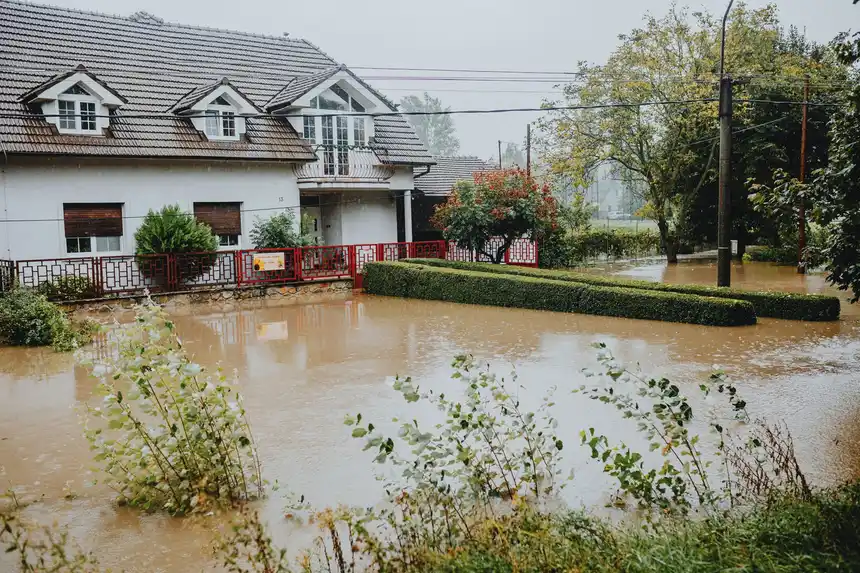
A sewage backup floods your bathroom and soaks the drywall behind the toilet.
We remove the contaminated drywall, treat the framing with antimicrobial solution, dry the cavity, and install new panels. We follow biohazard cleanup protocols.
Outcome: The bathroom is safe, dry, and repaired. The new drywall is textured and painted to match.
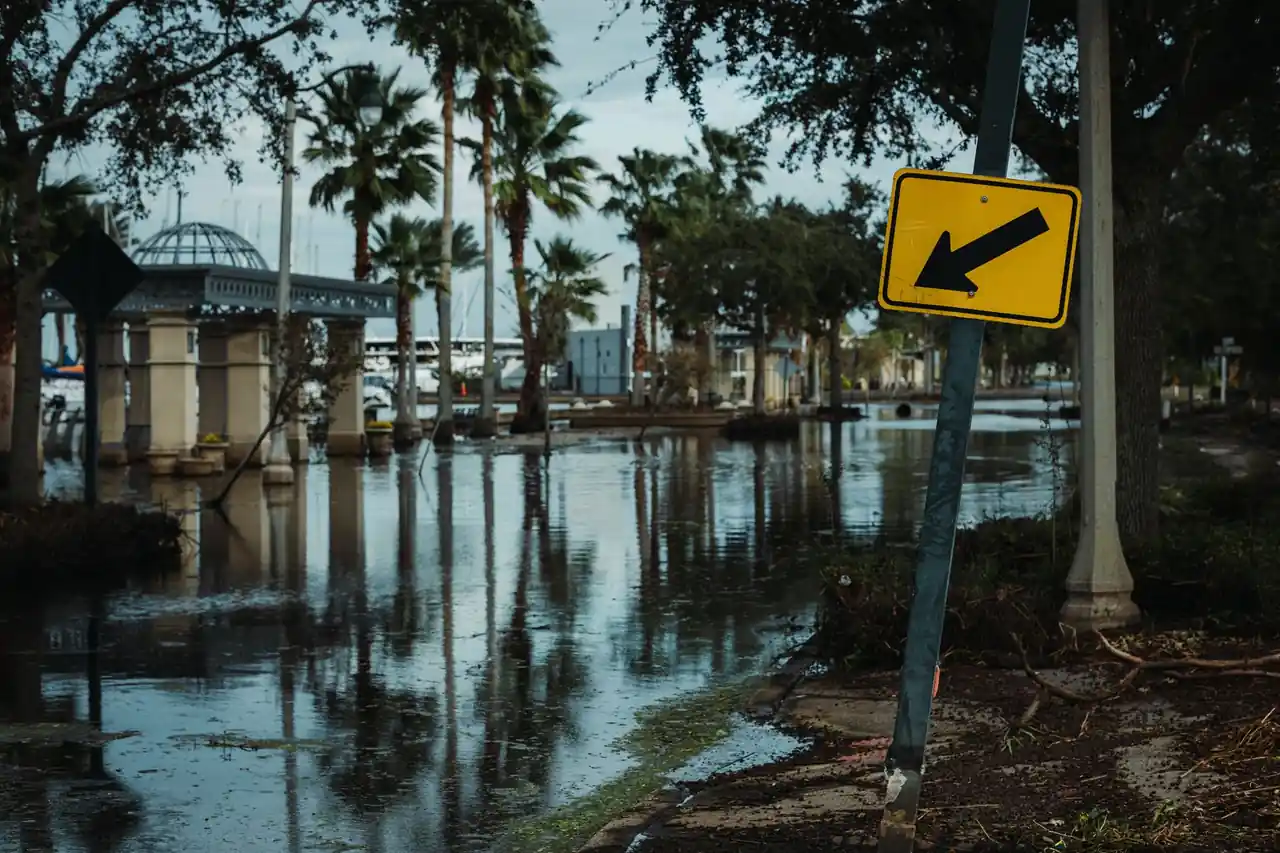
Fort Worth's climate swings from 100-degree summers to hard freezes in winter, and both extremes cause water damage. Frozen pipes burst in February and soak walls fast. Summer storms push water through roofs and windows. Older homes in Fairmount and Near Southside often have galvanized plumbing that fails slowly, while newer construction in the 76131 and 76137 ZIP codes deals with slab leaks and appliance failures.
We know how local building stock behaves and what Tarrant County codes require for structural repairs. If you need same day drywall water damage repair Fort Worth TX, we keep drying equipment ready and can usually be on-site within hours. We also work with Texas Department of Insurance carriers and provide Xactimate estimates so your claim moves faster.
Before: A pipe burst in the wall behind the kitchen sink during a February freeze. The drywall was soft and stained across a 6-foot section. The homeowner called us the same day.
After: We cut out the wet drywall, dried the framing for three days, and installed new panels. The wall was textured and painted to match. Moisture readings dropped from 28% to 11% before we closed the wall.
Keep cabinet doors open during freezes to let warm air reach the pipes. Check under the sink monthly for slow leaks.
Before: A roof leak stained and sagged the ceiling drywall in a bedroom. The homeowner noticed the stain spreading and called us before it collapsed.
After: We tarped the roof, cut out the sagging drywall, dried the ceiling cavity, and installed new panels. The ceiling was textured and painted. The repair blended perfectly with the rest of the ceiling.
Inspect your roof after every major storm. Fix missing shingles before the next rain.
Before: A sewage backup flooded a bathroom and soaked the drywall behind the toilet. The drywall was contaminated and had to come out.
After: We removed the contaminated drywall, treated the framing with antimicrobial solution, dried the cavity, and installed new panels. The bathroom was back in service in four days.
Have your sewer line inspected every two years. Avoid flushing wipes or grease, which cause most backups.
Water finds its way into drywall from a dozen different sources. Here are the ones we see most often in Fort Worth, and what happens if you wait too long to call.
Dry walls, matched texture, and no mold behind the panels.
We aim to be on-site the same day for emergency calls in Fort Worth. The faster the wet drywall comes out, the smaller the repair. A patch that might have been 2 square feet can stay 2 square feet instead of turning into a full wall replacement.
We use air movers, a dehumidifier, and daily moisture readings to confirm the framing is dry before we hang a single new panel. That's how you avoid mold growth behind the wall.
New drywall stands out if the texture doesn't match. We match orange peel, knockdown, and smooth finishes so your repaired wall blends with the rest of the room. Most homeowners can't tell where the old damage stopped and the new panel began.
We document moisture readings, take photos before and after, and provide line-item estimates in Xactimate format that Texas Department of Insurance carriers accept. That takes the guesswork out of your claim and helps you get reimbursed for the drywall replacement Fort Worth work.
Clear records you can keep and share.
Before and after images of the repair
Daily readings from the drying phase
What was removed and what was replaced
Xactimate estimate for your records
Not every wet wall needs full replacement. We test moisture content and make the call based on readings, not guesswork.
Moisture is only in the paint and paper facing.
Water reached the gypsum core and framing.
Sewage or mold is present in the wall.
A list like this tells people straight away whether you cover their street. Not listed? Call and ask: it only takes a minute.
Based in Fort Worth and covering the places around it. Pick one for local details.
We give you a written estimate before work starts.
Fort Worth Restorations handles drywall water damage repair across Tarrant County, including Downtown, Sundance Square, West 7th, and Arlington Heights. We're a local crew, not a call center, and we can usually be on-site the same day for emergency calls. Call +1 817-270-9150 and we'll schedule a visit.
Most Texas homeowner policies cover sudden water damage from burst pipes, appliance leaks, and storm flooding. Slow leaks that went unnoticed for months are often excluded. We document everything with photos and moisture readings, and we provide Xactimate estimates that Texas Department of Insurance carriers accept. We'll help you understand what your policy covers before you file.
Drying the wall cavity takes two to four days with air movers and a dehumidifier. After that, hanging, taping, texturing, and painting a typical wall takes one to two days. A small patch can be finished in a single day once the framing is dry. We give you a realistic timeline after the initial inspection.
Other services from the same team.
Wet drywall gets worse every hour. Call Fort Worth Restorations and we'll inspect the damage, give you a written estimate, and schedule the repair. We work with your insurance and leave the job site clean. One call handles it.
Call +1 817-270-9150 any time, day or night. We answer, ask a few questions about the source and the rooms affected, and dispatch a crew. If you prefer email, send photos and your address to info@fortworthrestorations.com and we will follow up with next steps.