For Homes
We repair the pipe and dry the house. You get a clear scope and daily moisture readings until it is dry.
- Attic line split in freeze
- Ceiling leaking below bath
- Laundry line let go
Pipe Burst Repair Fort Worth TX is what we do when a supply line lets go at 2 a.m. or a frozen pipe thaws through your ceiling. We shut the water down, cut out the failed section, and rebuild the line so it holds pressure. Then we dry the structure before mold sets in. If you need burst pipe repair Fort Worth TX today, call us at +18172709150.
 Shutoff firstPressure testDry to standard
Every pipe burst job is different, but our standard scope covers the repair, the extraction, and the drying. Here is what you get when you hire us. Anything beyond this scope, like full flooring replacement or cabinet rebuild, gets priced separately and documented for your insurance claim.
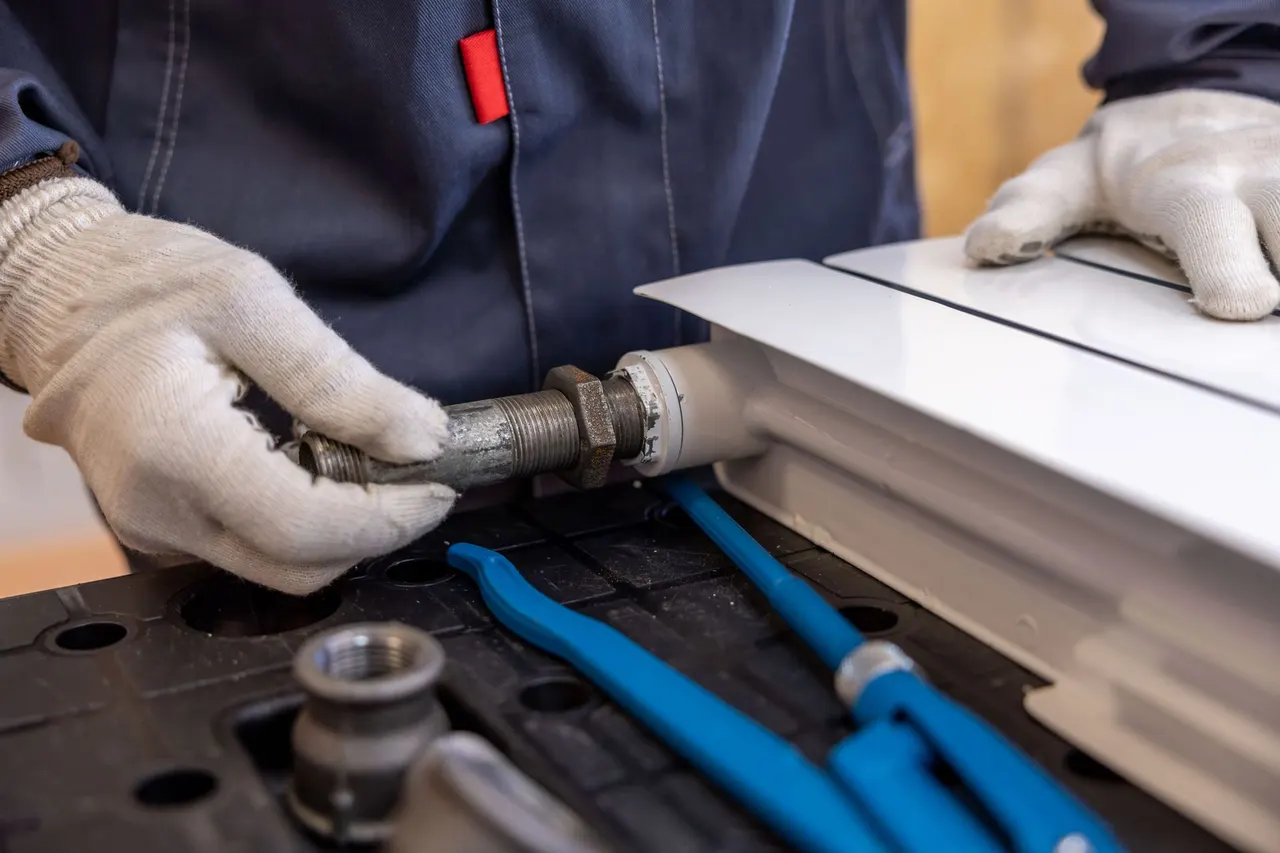
We cut out the failed section, install new pipe and fittings, and pressure-test the line at 100 PSI. We use copper, PEX, or CPVC to match what is already in your home. You get photos of the repair before we close the wall.
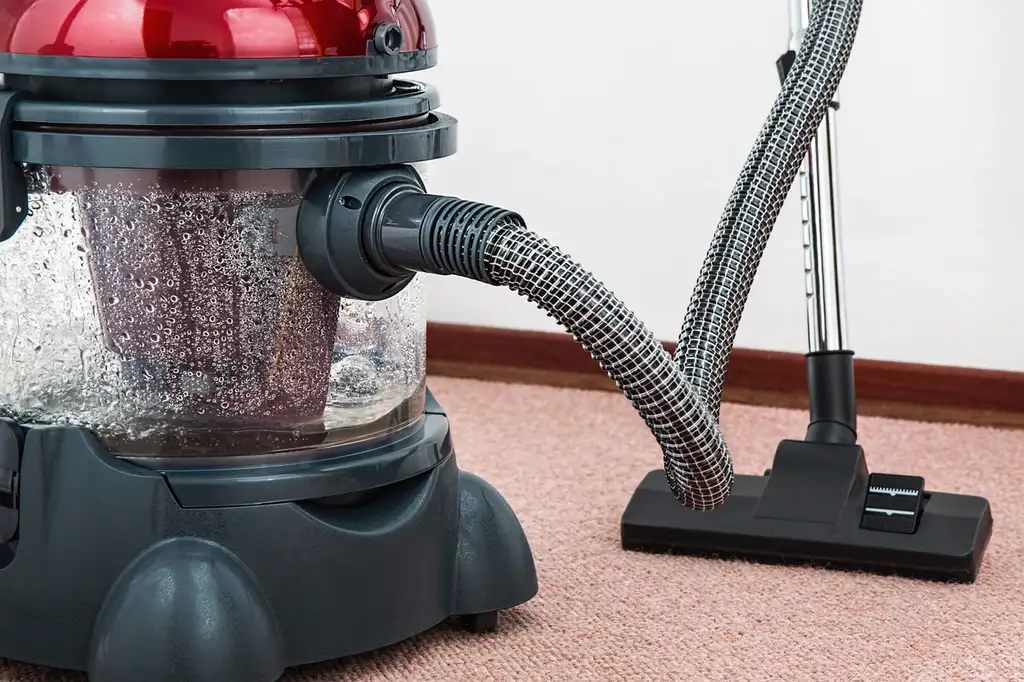
Standing water gets pulled with a water extraction unit. We remove saturated carpet padding and check the subfloor with a moisture meter. If water made it into the crawl space, we pump that out too. Extraction happens the same day as the repair.
We place air movers and a dehumidifier to dry the walls, floors, and framing. A hygrometer tracks humidity, and we log readings daily. A typical Fort Worth room dries in three to four days. We do not pull equipment until the numbers hit dry standard.
A thermal imaging camera and moisture meter map the wet area so we know where to place equipment. We photograph everything and write the scope in Xactimate for your insurance claim. You get a drying log that shows the moisture dropping day by day.
Wet drywall and framing get treated with antimicrobial solution to stop mold before it starts. We focus on wall cavities, baseboards, and any area that stayed wet for more than 24 hours. Fort Worth humidity makes this step non-negotiable.
Before we call the job done, we re-check every affected surface with a moisture meter. If any reading is still high, the equipment stays. You get a final report with photos and readings. That report is what your insurance adjuster wants to see.
The approach is the same for a home and a business. What changes is the access, the schedule and who needs the paperwork.
We repair the pipe and dry the house. You get a clear scope and daily moisture readings until it is dry.
We work after hours to repair the line and dry the space. Your claim file is documented for the carrier.
A plain-language look at what Pipe Burst Repair involves and when it is needed.
See how it worksPipe Burst Repair Fort Worth TX is the process of locating a failed water line, isolating it, removing the damaged section, and restoring the pipe so it holds full pressure again. It is not just a patch. We cut back to sound copper, PEX, or CPVC, sweat or crimp in a new section, and pressure-test the repair before we close the wall. Most residential bursts are 1/2-inch or 3/4-inch supply lines, and the repair itself takes two to four hours once we are on site.
Fort Worth homes see this for three reasons: hard freezes that split copper in unheated attics, slab movement that shears lines under the foundation, and aging galvanized steel that finally gives out. When a pipe lets go, water can travel 20 feet before it shows on a ceiling. That is why we bring a moisture meter and a thermal imaging camera on every call. If you are searching pipe burst repair near me Fort Worth, we answer the phone and roll a truck.
A burst pipe is a water damage job with a plumbing repair at the front of it.
No guesswork, no surprise line items.
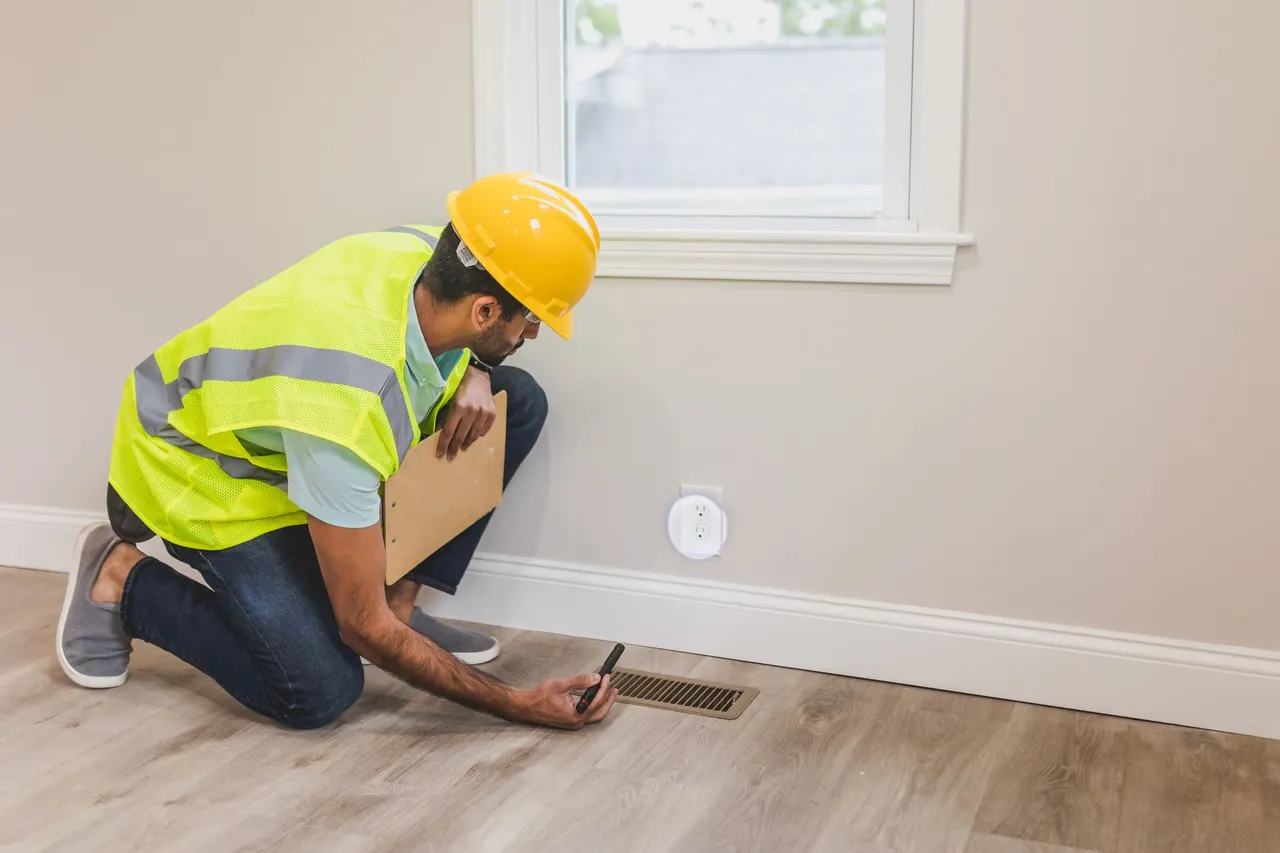
When you call, we ask three questions: where is the water coming from, do you know where the main shutoff is, and is the water still running. If you cannot find the shutoff, we walk you to it. That call takes two minutes and can save your floors.

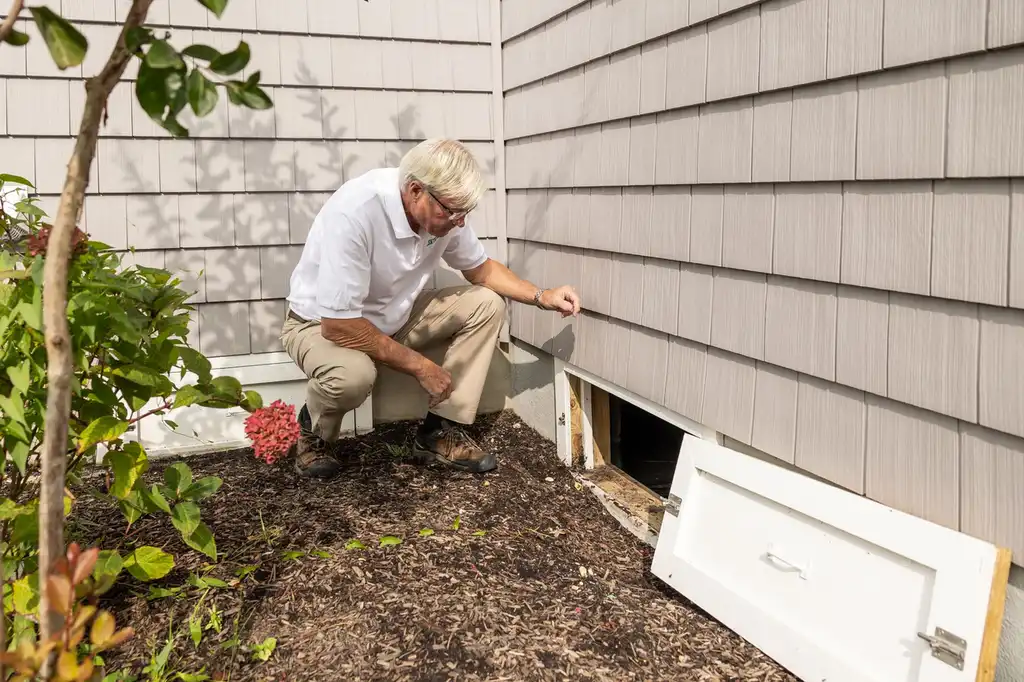
We arrive, confirm the water is off, and walk the affected area. A moisture meter and thermal imaging camera tell us how far the water traveled. We check the ceiling below, the baseboards, and the crawl space. You get a clear explanation of what failed and what it takes to fix it.
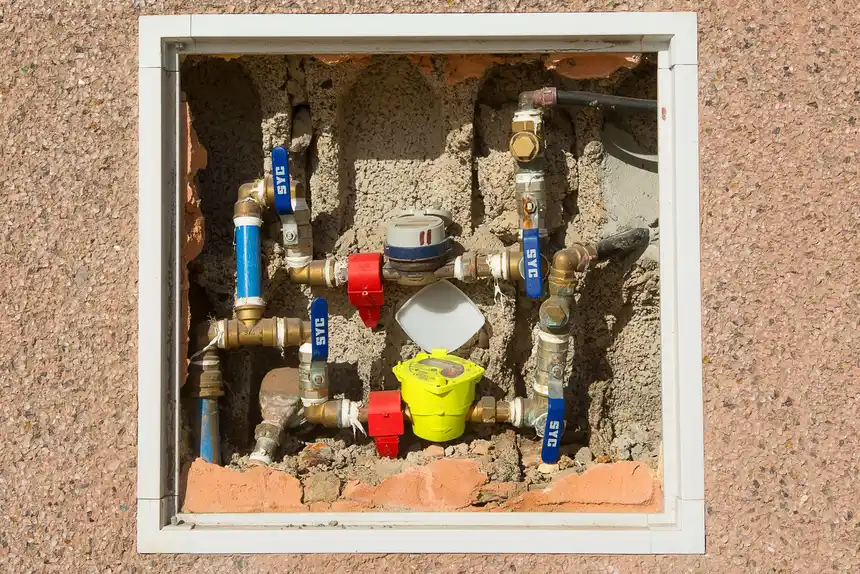
We cut out the failed section, install new pipe and fittings, and pressure-test the line. If the burst is inside a wall, we open the drywall cleanly with a RIDGID saw and keep the cut tight. Most repairs take two to four hours. We do not leave until the line holds pressure.
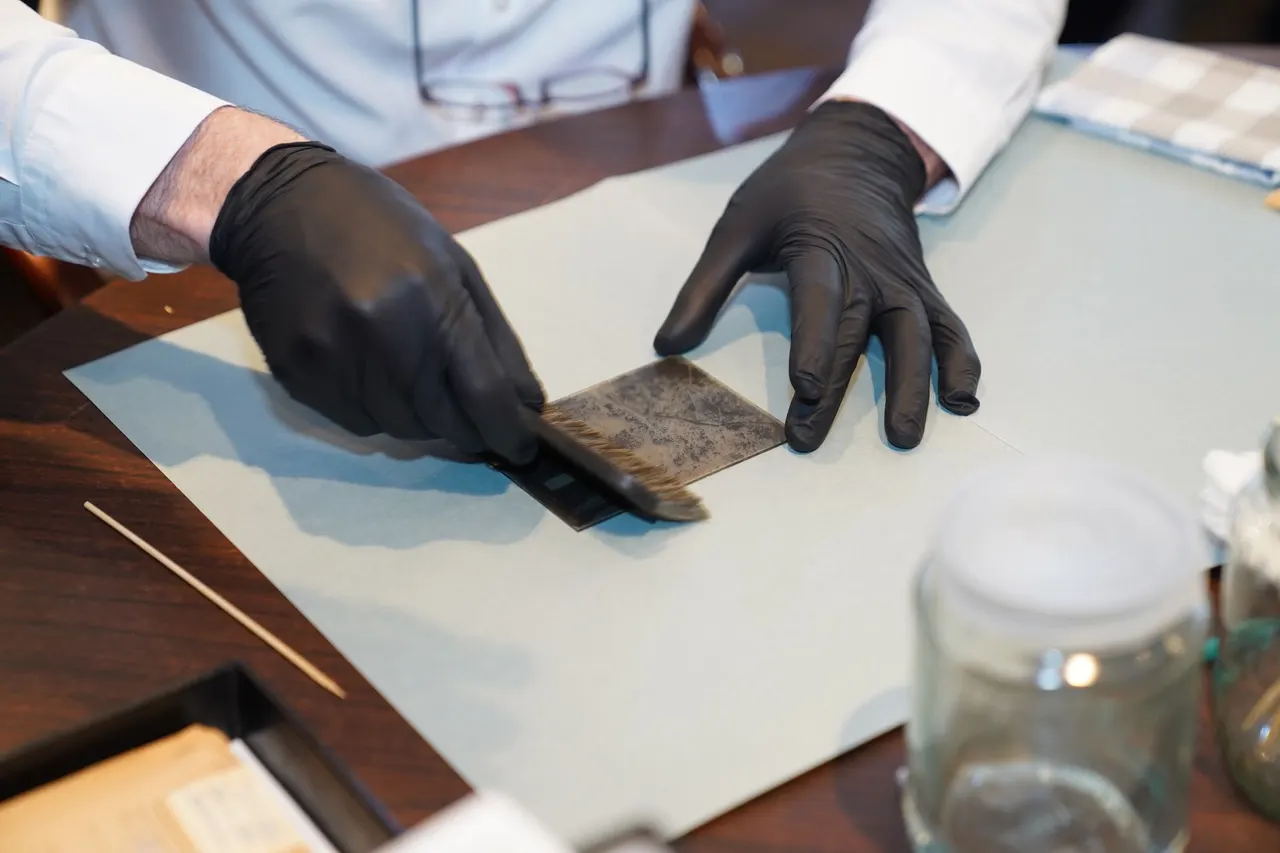
Standing water gets pulled with a water extraction unit. Carpet padding that is soaked comes up. We set air movers and a dehumidifier, then place a hygrometer to track humidity. You get a drying log so you can see the numbers drop day by day.
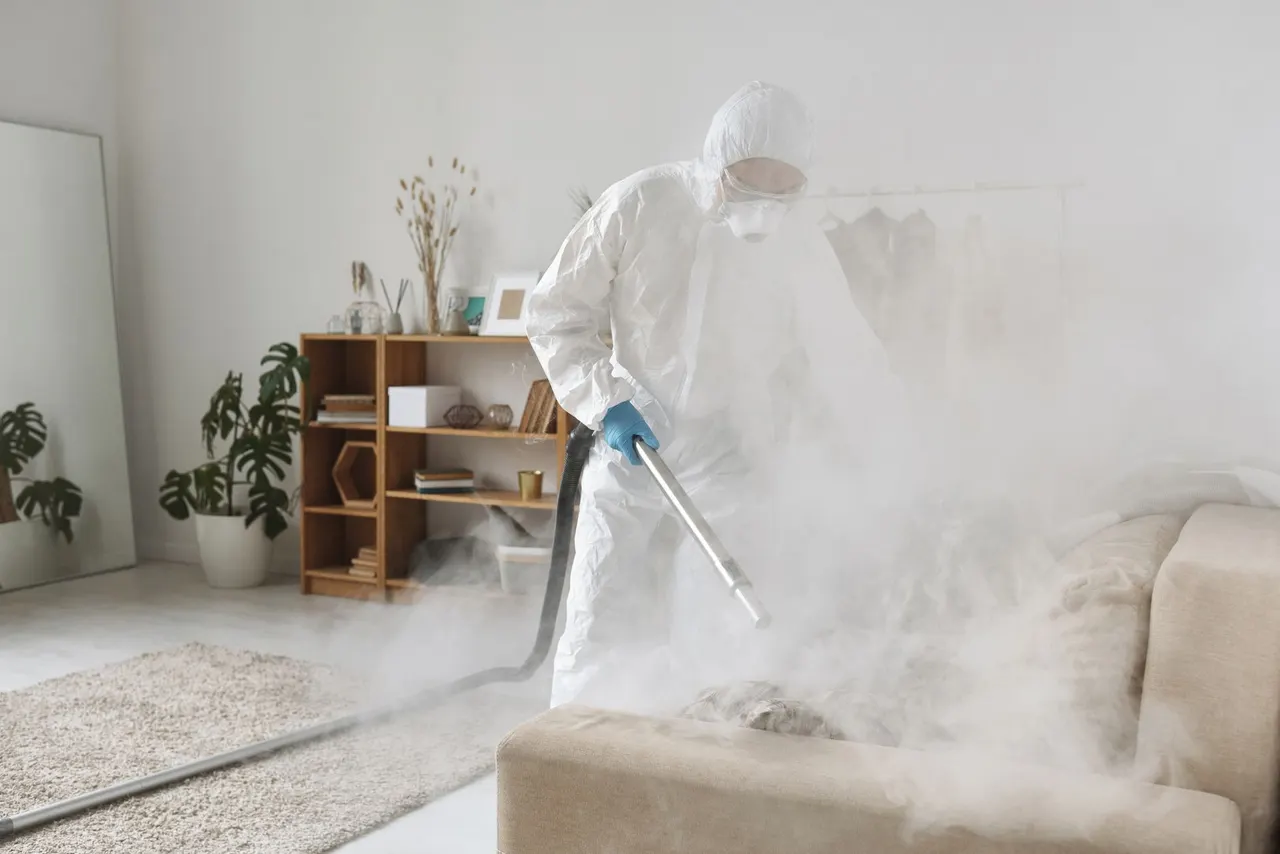
When the structure is dry, we do a final walk with you. We check for ceiling water stains, test the repaired line, and confirm no moisture remains in the drywall or subfloor. You get photos, the drying log, and a clear picture of any remaining cosmetic work.
Move across a circle, or focus it and press Enter, for an illustrative thermal view of the photograph.
Finds hidden moisture behind walls and under floors by reading temperature differences. We use it on every pipe burst call to map how far the water traveled.
Reads the exact moisture content of drywall, wood, and subfloor. We use it to set the drying goal and to confirm when the structure is dry.
Tracks relative humidity in the drying chamber. We log readings daily so we know when to adjust equipment or stop drying.

A camera on a flexible rod that lets us inspect inside wall cavities and crawl spaces without tearing everything open. It confirms where the water went.

Pulls standing water from carpet, hardwood, and concrete. We run it the same day as the repair to stop the water from wicking further into the structure.
Thermal views are illustrative, generated from the photographs.
Removes moisture from the air so wet materials can release their water. We use commercial units, not the small residential kind.
Directs high-volume airflow across wet surfaces to speed evaporation. Placement matters, and we adjust them daily based on moisture readings.
The industry standard for water damage restoration. It defines how to classify water, how to dry different materials, and when to remove versus dry. We follow it on every job, and it is what your insurance adjuster expects to see.
After we repair a pipe, we pressure-test the line at 100 PSI to confirm it holds. We do not close the wall until the test passes. That is how we know the repair will not fail next week.
We use a thermal imaging camera and moisture meter to draw a map of the wet area. That map tells us where to place equipment and where to cut drywall. It also gives your adjuster a clear picture of the loss.
We write the repair and drying scope in Xactimate, the software most insurance carriers use. That means our line items match what your adjuster expects, which speeds up the claim and reduces back-and-forth.
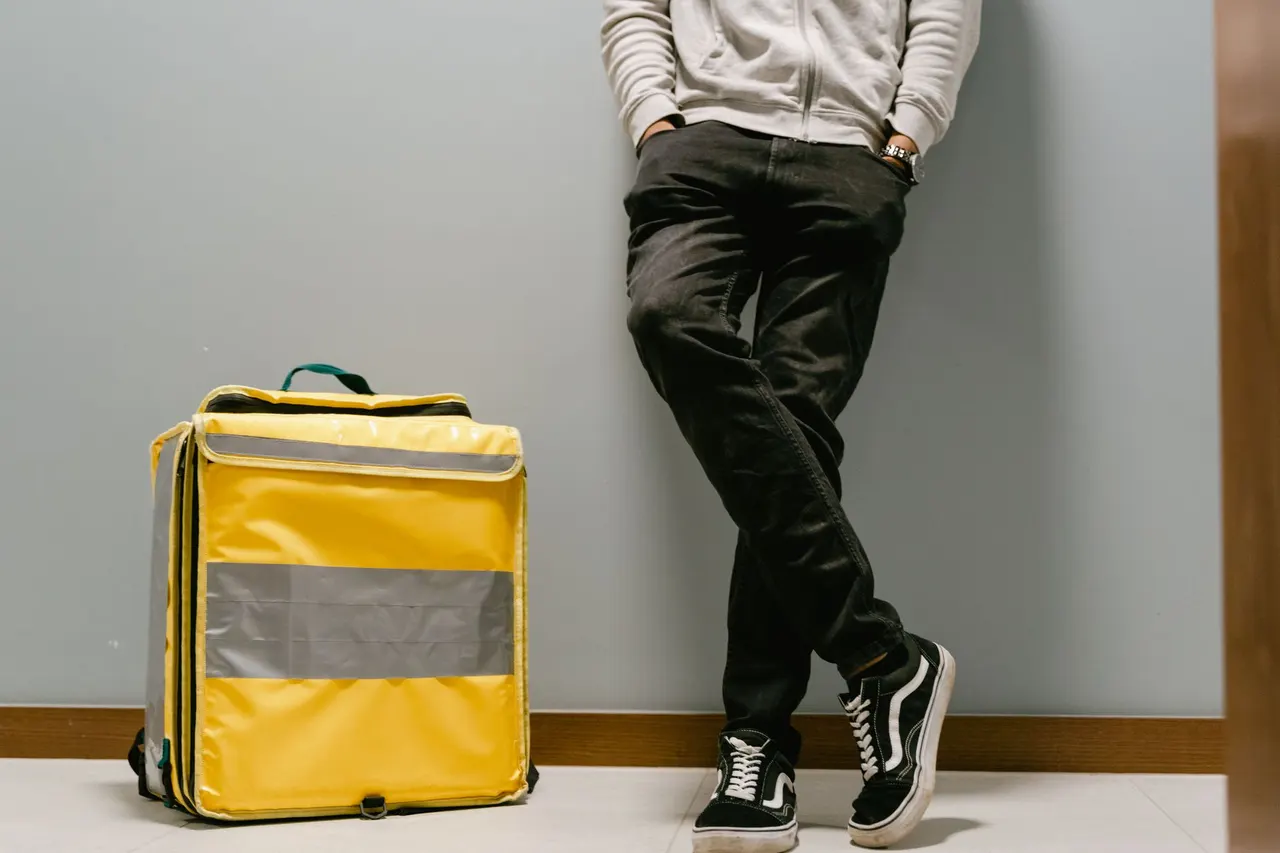
A pipe bursts at 2 a.m. in a Pier-and-beam home near TCU, and water is dripping through the floor into the crawl space.
We answer the phone, walk you to the main shutoff, and dispatch a crew. On site, we repair the pipe, pump the crawl space, and set dehumidifiers. A boroscope lets us check the far corners for moisture.
Outcome: Water is off within 15 minutes of your call, the pipe is repaired the same morning, and the crawl space is dry in three days.
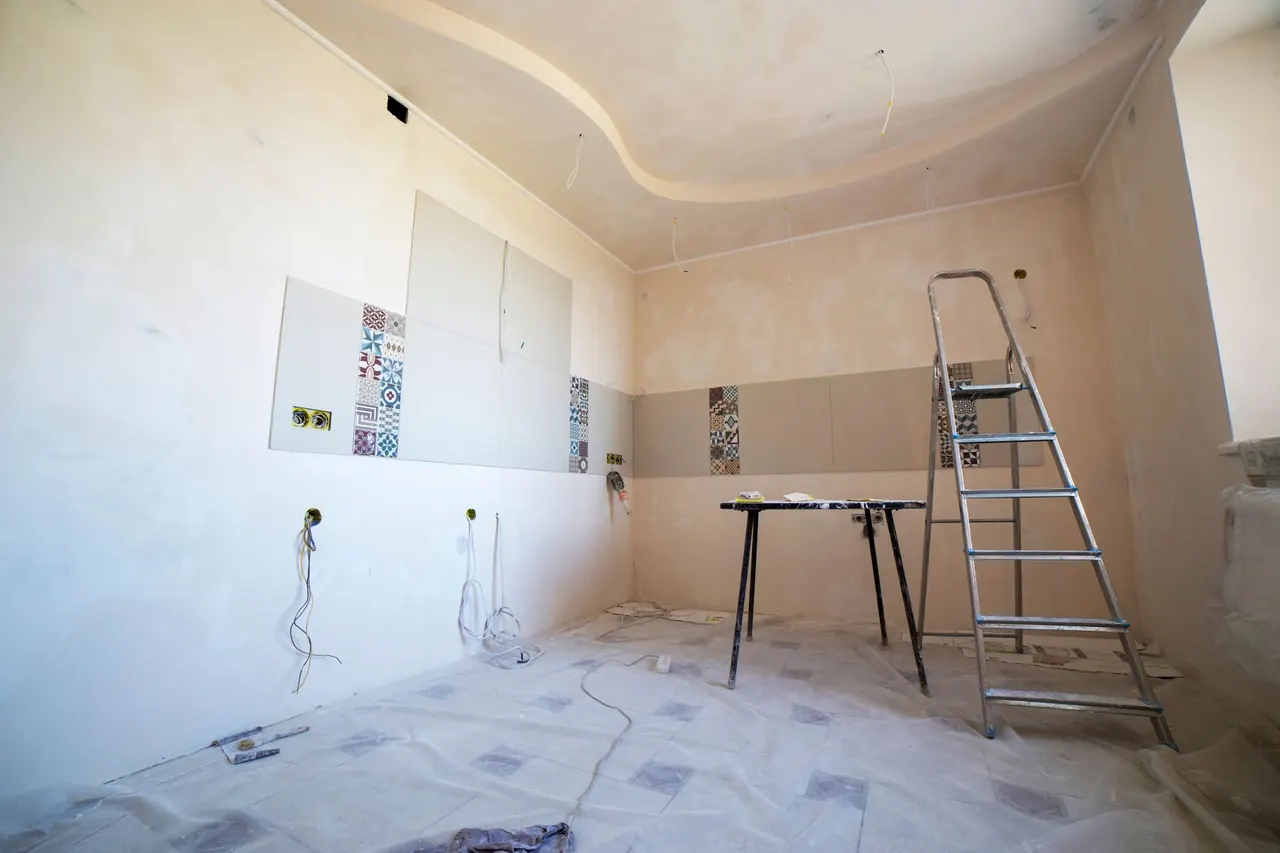
A frozen pipe splits in an unheated attic in Arlington Heights during a January freeze, sending water through the ceiling.
We cut out the split copper, install a new section, and pressure-test it. Then we open the ceiling, remove wet insulation, and set air movers and a dehumidifier. We also insulate the new line to prevent a repeat.
Outcome: The ceiling is repaired, the line is protected, and the room is dry in four days. No mold, no sagging drywall.
A supply line behind a washing machine lets go in a West 7th townhome and floods the second floor and the ceiling below.
We repair the line, extract water from both floors, and remove saturated carpet padding. Floor drying mats go on the hardwood. We document the two-story loss for insurance with thermal images and moisture maps.
Outcome: Both floors dry in four days, the hardwood is saved, and the insurance claim is approved without a fight.
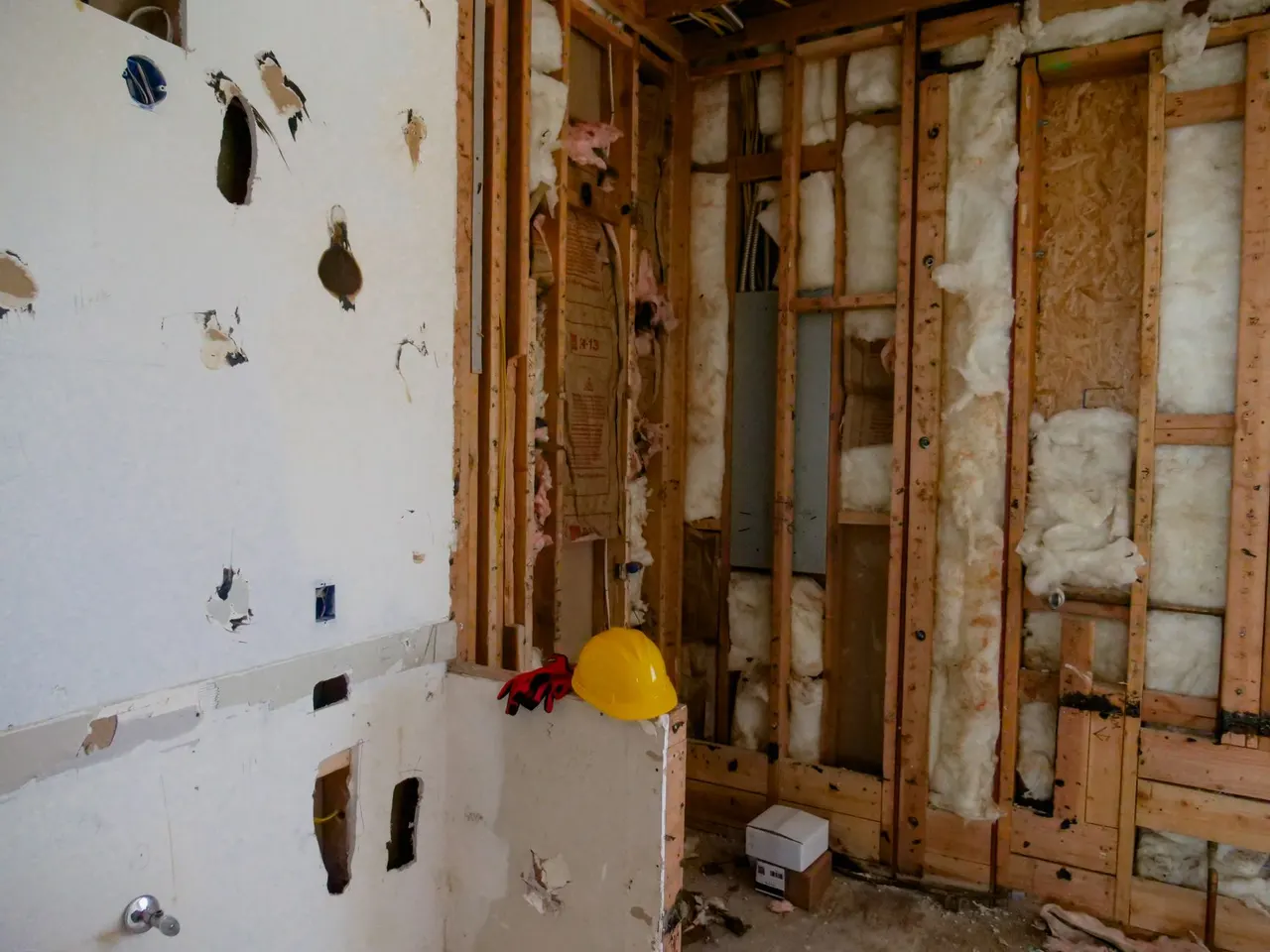
We locate the leak with thermal imaging and acoustic listening, then reroute the line through the attic to avoid breaking the slab. We dry the baseboards and flooring, and document the repair for the homeowner.
Outcome: The leak stops, the water bill returns to normal, and the flooring is saved without a major slab break.

A pipe bursts in a Downtown Fort Worth office suite on a Friday night, soaking three rooms before the cleaning crew finds it Monday.
We respond after hours, repair the pipe, extract the water, and set commercial dehumidifiers. We contain the affected area and document everything in Xactimate for the property manager's carrier.
Outcome: The office reopens Monday morning with dry floors and a clean claim file. No business days lost.
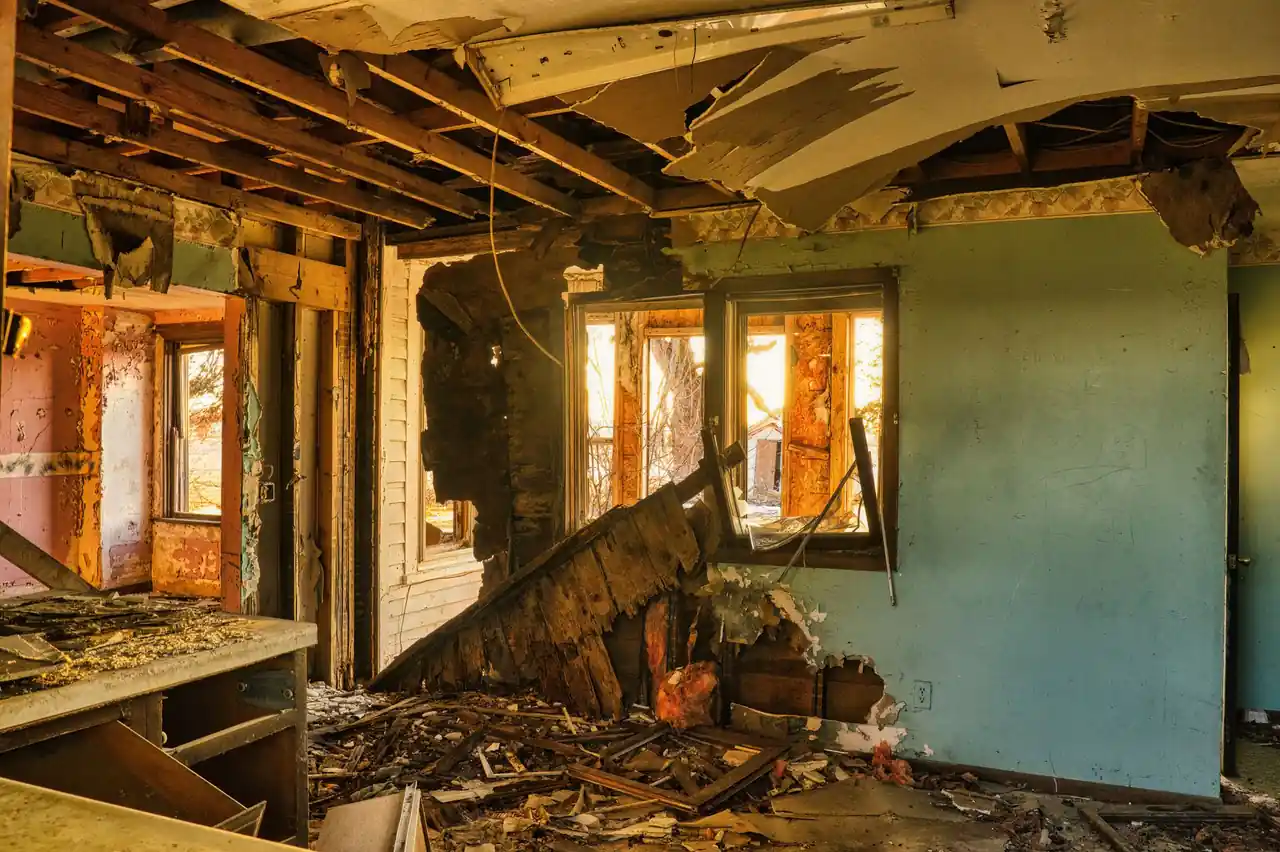
Fort Worth sits in a climate that swings hard. Summers hit 100 degrees, and winters drop into the teens. That freeze-thaw cycle is what splits copper pipes in attics and crawl spaces. The city also has a lot of older housing stock, especially in Fairmount and Near Southside, where galvanized steel and original copper lines are still in service. Those pipes fail differently than modern PEX.
We see slab leaks in post-war ranch homes and burst supply lines in pier-and-beam houses. When you call for emergency burst pipe repair Fort Worth Texas, we know what we are walking into. We also know Tarrant County code, so the repair passes inspection the first time. If you need affordable pipe burst repair Fort Worth TX, we scope the job honestly and show you the numbers before we start.
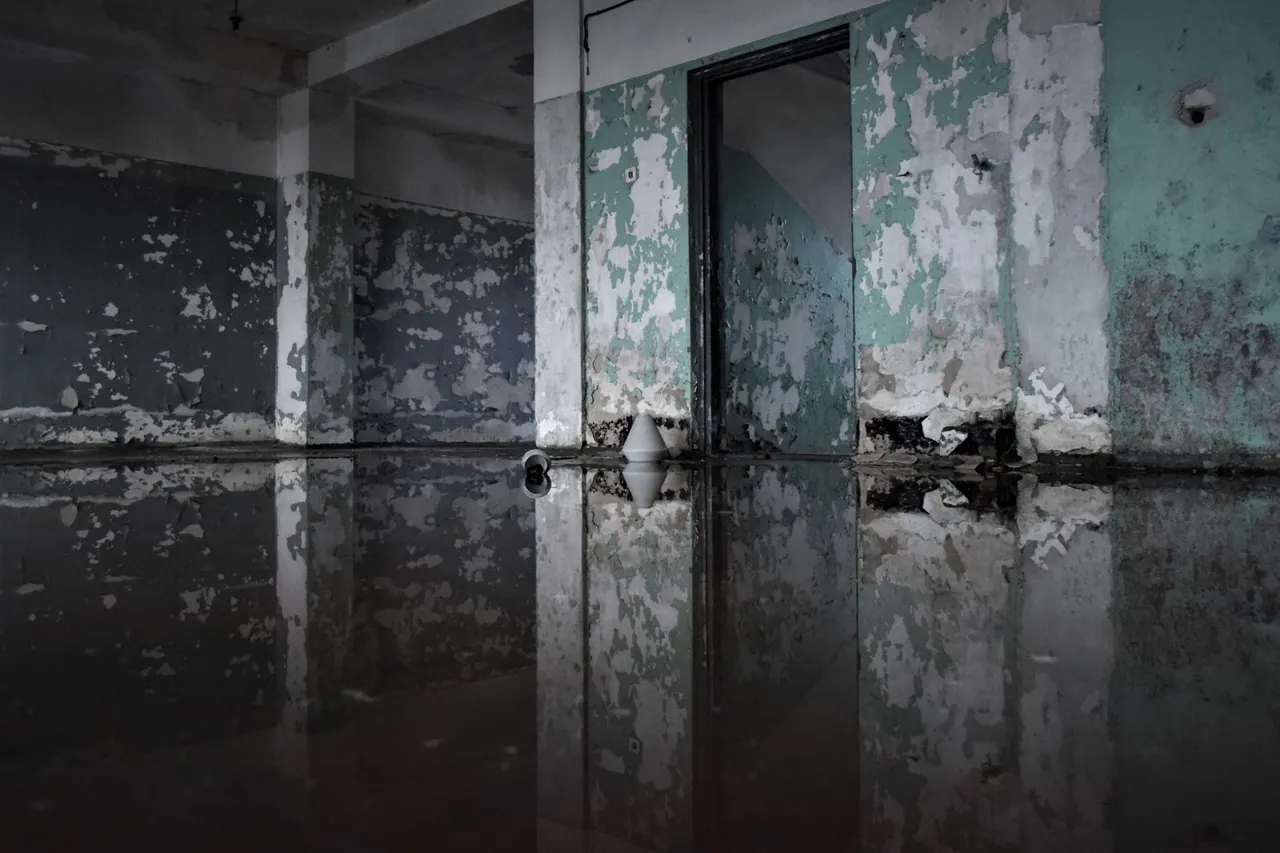
Before: A January freeze split a copper supply line in an unheated attic. Water ran down through the ceiling into a hallway. The drywall was sagging, insulation was soaked, and the homeowner had no idea where the shutoff was.
After: We walked the homeowner to the shutoff, repaired the pipe, and pressure-tested it. The ceiling was opened, wet insulation removed, and the framing dried in four days. New drywall was installed and textured to match.
We insulated the repaired line and recommended leaving the attic access open during hard freezes. The homeowner now knows where the shutoff is and has our number saved.
Before: A slab leak was sending water under the flooring and into the baseboards. The flooring was starting to cup.
After: We located the leak with thermal imaging and acoustic listening, then rerouted the line through the attic to avoid breaking the slab. The baseboards and flooring were dried in three days. The water bill returned to normal.
We recommended a pressure test on the rest of the system and a moisture check every six months. The homeowner now monitors the water bill for spikes.
Before: A supply line behind a washing machine let go in a second-floor townhome. Water flooded the laundry room, ran under the hardwood, and dripped through the ceiling below. Carpet padding in the room below was soaked.
After: We repaired the line, extracted water from both floors, and removed the saturated padding. Floor drying mats saved the hardwood. Both floors hit dry standard in four days. The ceiling below was repaired and painted.
We replaced the old rubber supply lines with braided stainless steel and recommended checking them every six months. The homeowner now shuts off the laundry valves when traveling.
A burst pipe is rarely just a plumbing problem. It becomes a water damage problem, a mold problem, and sometimes an insurance problem. Here is what we fix.
A dry home, a repaired line, and a claim file that holds up.
Our first job is stopping the flow. We locate the main shutoff, kill the water, and open the lowest fixture to drain the line. That alone prevents thousands in additional damage. On emergency burst pipe repair Fort Worth Texas calls, we aim to have water off within 15 minutes of arrival.
We do not slap a clamp on a split line and call it fixed. We cut back to clean metal, install a new section, and pressure-test at 100 PSI. If the pipe is PEX, we use the correct expansion or crimp fittings.
Water that soaked into hardwood flooring or carpet padding will not dry on its own. We set air movers and a dehumidifier the same day as the repair. A typical 200-square-foot wet area dries in three to four days with proper airflow and humidity control.
We document moisture readings, take thermal images, and write the scope in Xactimate so your claim moves. Most Fort Worth policies cover sudden pipe bursts, and we have worked with every major carrier. You get a clean file and a clear next step.
Clear records you can keep and share.
Images of the repair and wet areas
Thermal and meter readings by room
Daily humidity and moisture readings
Xactimate line items for the carrier
Not every burst pipe needs the same fix. The material and the failure point decide the approach.
Freeze damage on a copper line
Corroded steel that fails at joints
Line failure under the foundation
A list like this tells people straight away whether you cover their street. Not listed? Call and ask: it only takes a minute.
Based in Fort Worth and covering the places around it. Pick one for local details.
Insurance usually covers the sudden damage. We scope the job in Xactimate so you can see the breakdown before work starts.
We do. Fort Worth Restorations handles both the pipe repair and the water damage drying. We serve Downtown Fort Worth, Sundance Square, Arlington Heights, and the TCU Area. Call +18172709150 and we will dispatch a crew.
Shut off the main water valve first, then open the lowest faucet in the house to drain the line. Kill power to any wet area at the breaker. Move furniture and rugs off wet carpet. Then call us. Do not run a shop vac on standing water near outlets. We will walk you through the rest on the phone.
Most Texas homeowner policies cover sudden and accidental pipe bursts, including the repair and the resulting water damage. They typically do not cover the pipe itself if it failed from age or lack of maintenance. We document everything, write the scope in Xactimate, and work directly with your adjuster to keep the claim moving.
Other services from the same team.
Every minute counts when a pipe is dumping water into your home. Call +18172709150 now.
Call +1 817-270-9150 any time, day or night. We answer, ask a few questions about the source and the rooms affected, and dispatch a crew. If you prefer email, send photos and your address to info@fortworthrestorations.com and we will follow up with next steps.