Water damage repair vs full restoration: which does your home need
Repair fixes the source and the visible damage. Restoration dries the structure and rebuilds what water ruined. Here is how to tell which one your Fort Worth home needs.
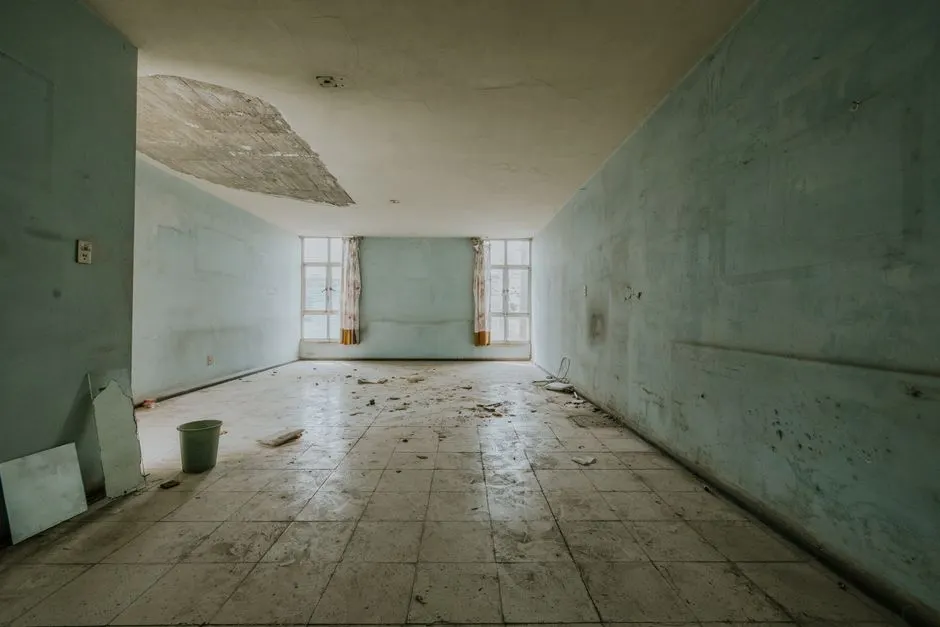
Water damage repair fixes the source of the water and the visible damage it caused; full restoration dries the structure, removes contaminated material, and rebuilds the home to its pre-loss condition. If water touched only a small, hard surface and you caught it within a few hours, you need repair. If it soaked into drywall, insulation, flooring, or a crawl space, you need full restoration.
We run these calls across Fort Worth every week, and the honest answer is that most homeowners underestimate which side of that line they are on. Below we break down what each path actually involves, what it costs in 2026, and how to tell which one your house needs before you sign anything.
The short answer: repair fixes the source, restoration fixes the house
Water damage repair vs full restoration Fort Worth TX comes down to one question: did the water stay on the surface, or did it get into the building materials? Repair is a plumbing-and-patch job. Restoration is a drying-and-rebuild job.
Water damage repair is the trade work that stops the water and fixes what you can see - a burst pipe, a leaking supply line, a cracked drain, the wet drywall around it. Restoration is everything after that: extracting standing water, drying the framing and subfloor to a measured moisture level, treating for mold, and putting the house back together.
Here is the practical difference. A pinhole leak under a bathroom sink that dripped onto tile for two hours is a repair. That same leak running behind the vanity for two weeks, soaking the cabinet, the drywall, and the subfloor, is a restoration. Same leak. Completely different job.
What water damage repair actually covers
Repair work is scoped to the source and the immediate surface damage. On a typical Fort Worth call, that means finding the leak, fixing it, and replacing only the material that got wet and stayed wet.
What falls under repair:
- Locating and fixing the failed pipe, fitting, valve, or appliance connection - our Pipe Burst Repair Fort Worth TX crews handle the burst-line calls that spike every January.
- Replacing a section of drywall, baseboard, or trim that got wet but dried within 24 to 48 hours.
- Resetting a toilet, tightening a supply line, or swapping a washing machine hose after an Appliance Leak Water Damage Fort Worth TX event.
- Patching and repainting a small ceiling stain after a roof or AC condensate leak.
Repair does not include drying equipment, moisture readings, or mold treatment. If the water got into a wall cavity or under the floor, repair alone leaves wet material behind - and that is where the real money gets lost.
What full restoration actually covers
Full restoration is a multi-phase process that returns the home to its pre-loss condition, and it starts the moment we arrive with extraction equipment. It is not a bigger repair. It is a different category of work.
A full restoration on a Fort Worth home usually runs through these phases:
- Emergency extraction. Truck-mounted units pull standing water out of carpet, hardwood, and slab-level rooms. Our Emergency Water Extraction Fort Worth TX team typically removes 90% of standing water within the first two hours on site.
- Assessment and moisture mapping. Thermal cameras and pin meters map exactly how far the water traveled - often 3 to 6 feet past the visible wet spot.
- Structural drying. Air movers and dehumidifiers run 3 to 5 days, targeting 12% to 15% moisture content in framing before we stop.
- Contaminated material removal. Wet insulation, saturated drywall, and Category 3 water (sewage or floodwater) get cut out and hauled off.
- Mold treatment and clearance. Any area wet longer than 48 hours gets treated, because mold can colonize in 24 to 72 hours.
- Rebuild. Drywall, texture, paint, flooring, trim, and cabinets go back in.
That is the difference between water damage restoration vs repair Fort Worth homeowners run into: one fixes a pipe, the other fixes a house.
How do I know if I need water damage repair or full restoration?
You need full restoration if water sat longer than 24 hours, touched porous material, or came from a contaminated source. You need repair only if the water was clean, contained, and dried fast.
Run through this checklist before you decide:
- How long was it wet? Under 24 hours on a hard surface - repair. Over 24 hours, or you are not sure - restoration.
- What did it touch? Tile, concrete, and sealed hardwood can often be saved. Carpet, pad, drywall, insulation, and particleboard almost never can.
- Where did it come from? A clean supply line is Category 1. A washing machine drain or toilet overflow is Category 2. Sewage or outdoor floodwater is Category 3 and always requires full restoration plus decontamination.
- Is there a smell? A musty odor 48 hours after the leak means microbial growth has already started.
- Does the floor feel soft or cupped? Cupped hardwood and spongy subfloor mean water reached the structure.
When you are on the fence, get a real assessment. A pin meter reading takes 60 seconds and settles the question. Our Water Damage Assessment and Inspection Fort Worth TX visits give you moisture readings from every affected room, not a guess from the doorway.
Water damage repair or restoration cost in Fort Worth TX
Typical 2026 pricing in this area runs $350 to $1,800 for a repair and $2,800 to $12,000+ for full restoration, with the spread driven almost entirely by how much material has to come out.
Realistic Fort Worth ranges we see:
- Minor repair (one pipe, small drywall patch, repaint): $350 to $900.
- Mid-size repair (supply line plus cabinet and baseboard replacement): $900 to $1,800.
- Single-room restoration (extraction, 3 to 5 days of drying, drywall and flooring rebuild): $2,800 to $6,500.
- Multi-room or slab-level restoration (two or more rooms, hardwood, cabinets, mold treatment): $7,000 to $12,000+.
- Category 3 cleanup (sewage backup or floodwater, decontamination included): $4,500 to $15,000 depending on square footage.
Drying equipment rental and monitoring alone usually runs $800 to $2,200 for a three-room job. That number surprises people who expected a fan and a shop vac to do the work.
Most Fort Worth homeowner policies cover sudden and accidental water damage - burst pipes, appliance failures, storm-driven roof leaks. They typically do not cover long-term seepage, poor maintenance, or gradual slab leaks you ignored for months. If you are filing, our Water Damage Insurance Claim Assistance Fort Worth TX team documents moisture readings, photos, and scope so your adjuster sees the full picture on the first pass.
Why Fort Worth homes get hit harder than homeowners expect
Fort Worth sits on expansive clay soil, and that clay is the reason so many local water damage calls turn into full restorations instead of quick repairs. Clay swells when it soaks and shrinks when it dries, and that movement flexes the slab and the pipes running through it.
Three local patterns drive most of our restoration work:
- Slab leaks. A pinhole in a copper line under the slab can push water into the foundation and carpet for weeks before you notice a warm spot on the floor. By then, drying and rebuild are both on the table.
- Freeze events. North Texas pipes in attics and exterior walls are not built for hard freezes. When they burst, water runs down through ceilings and walls into multiple rooms at once.
- Spring and fall storms. Hail and wind-driven rain push water through roof penetrations and window frames, and it often shows up as a ceiling stain weeks later.
Homes in older neighborhoods like water damage restoration in Northside Fort Worth tend to have the original galvanized or early copper plumbing, which makes a small leak a bigger structural problem than it would be in a 2015 build. Newer construction out toward water damage restoration in Alliance Fort Worth deals with different issues - PEX lines, tight attics, and fast-moving water through open floor plans.
Common mistakes we see on water damage calls
The most expensive mistake is treating a restoration as a repair - drying the visible surface and closing the wall while the cavity behind it is still wet. We get called back to those jobs three weeks later with mold.
Other repeat offenders:
- Running a box fan and calling it dry. Household fans move air. They do not lower the moisture content of framing. You need air movers plus a refrigerant or desiccant dehumidifier to pull water out of the air.
- Skipping the moisture reading. Water wicks. A wet spot on the ceiling usually means a much larger wet area above it.
- Throwing away wet carpet pad but keeping the carpet. If the pad was saturated, the carpet backing is contaminated too.
- Waiting on the insurance adjuster before starting drying. Mold does not wait for paperwork. Document everything, then start drying.
- Ignoring a musty smell. By the time you smell it, colonies are established. That is a Mold Remediation Fort Worth TX job, not a repair.
When to call a professional
Call us when water has been sitting more than a few hours, when it touched drywall or flooring, when it came from a sewage or flood source, or when you cannot tell how far it spread. Those are the calls where a $400 repair turns into a $9,000 restoration if you wait.
Fort Worth Restorations handles both sides of the line - we fix the source and we dry and rebuild the house. Our technicians carry moisture meters and thermal cameras on every truck, so the assessment happens on the first visit, not the third. If you are unsure whether you are looking at a repair or a restoration, that is exactly the call to make.
Frequently Asked Questions
What is the difference between water damage repair and restoration in Fort Worth TX?
Repair fixes the source and the visible damage - a pipe, a patch of drywall, a stained ceiling. Restoration extracts standing water, dries the structure to measured moisture levels, removes contaminated material, treats mold, and rebuilds. Repair is a trade job; restoration is a multi-phase process that usually takes 3 to 10 days.
How do I know if I need water damage repair or full restoration?
If water sat longer than 24 hours, touched carpet, drywall, insulation, or subfloor, or came from sewage or floodwater, you need full restoration. If it was clean water on a hard surface and dried within a few hours, repair is usually enough. A moisture meter settles it in under a minute.
Does insurance cover full restoration in Fort Worth TX?
Most policies cover sudden and accidental water damage, including burst pipes, appliance failures, and storm-driven leaks - that typically includes drying, demolition, and rebuild. Gradual leaks, long-term seepage, and neglected maintenance are usually excluded. We document the loss so your adjuster can approve the full scope.
How much does water damage restoration cost in Fort Worth?
In 2026, expect $2,800 to $6,500 for a single-room restoration and $7,000 to $12,000+ for multi-room or slab-level work. Category 3 sewage or flood cleanup runs $4,500 to $15,000. Simple repairs are far cheaper at $350 to $1,800.
Who can assess water damage in my Fort Worth home?
A licensed water damage restoration company with moisture meters and thermal imaging - not a general handyman. We map every affected room, give you readings, and tell you plainly whether you are looking at a repair or a restoration. That assessment is the first step on every job we run.
Get help with Water Damage in Fort Worth
Whether you are staring at a wet ceiling or a flooded slab, we will tell you straight which path your home needs - repair or full restoration - and get it dry before mold makes the decision for you.
Call Fort Worth Restorations at +1 (817) 270-9150 for same-day assessment and drying across Fort Worth and Tarrant County.