For Homes
We scan your walls, floors, and ceilings to find hidden moisture. You get a clear map and a plan.
- Slab leak under floor
- Ceiling stain from roof leak
- Musty smell in hallway
Moisture Mapping and Thermal Imaging Fort Worth TX gives you a room-by-room picture of where water is hiding after a leak, storm, or slab failure. We use thermal imaging in Fort Worth to read temperature differences behind drywall, under hardwood, and inside crawl spaces, then confirm every wet spot with a moisture meter and hygrometer. If you have a ceiling stain, a warm floor, or a musty smell, call us before the damage spreads.
 Scan wallsVerify with metersMap wet zones
Every inspection includes a full thermal scan, moisture verification, and a written moisture map. We check walls, ceilings, floors, and crawl spaces. If we find active moisture, we can start drying the same day. Here is what you get.
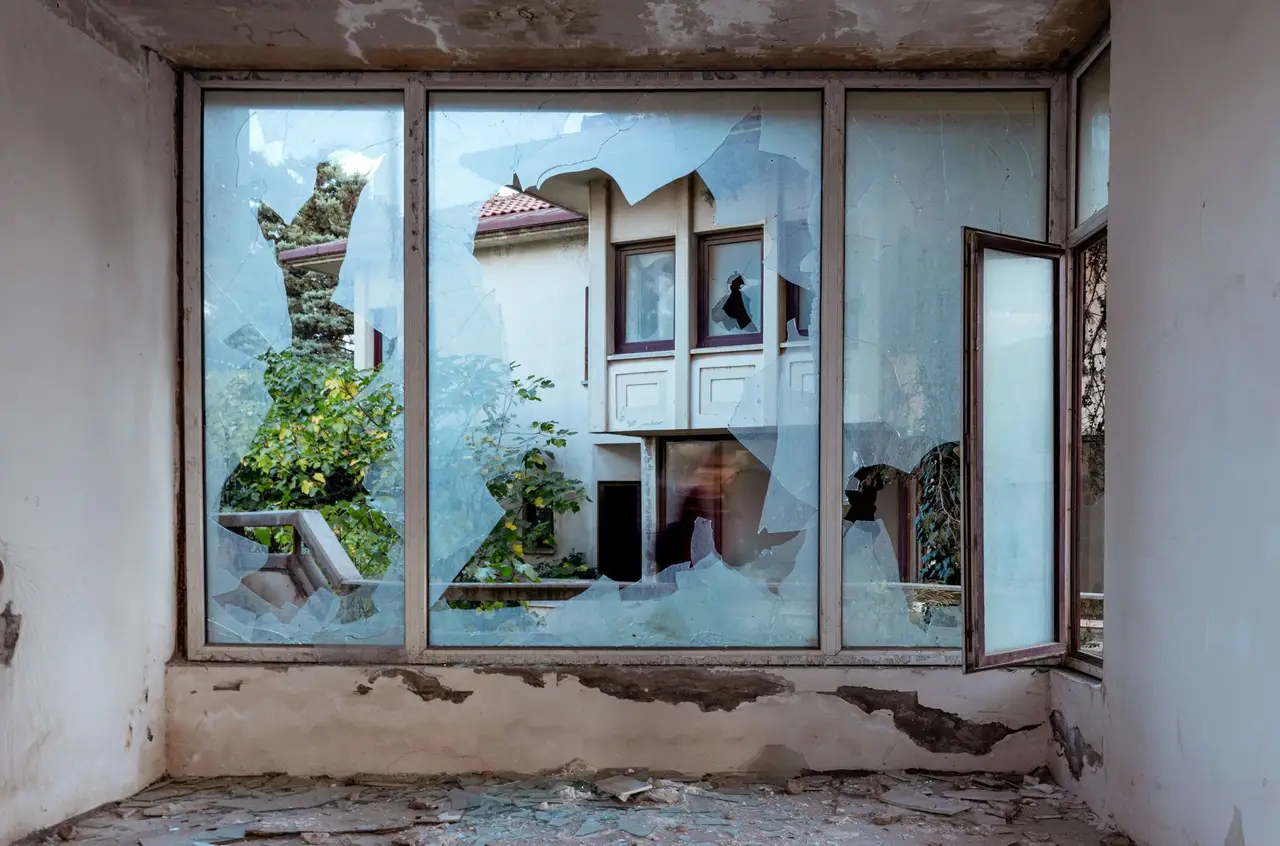
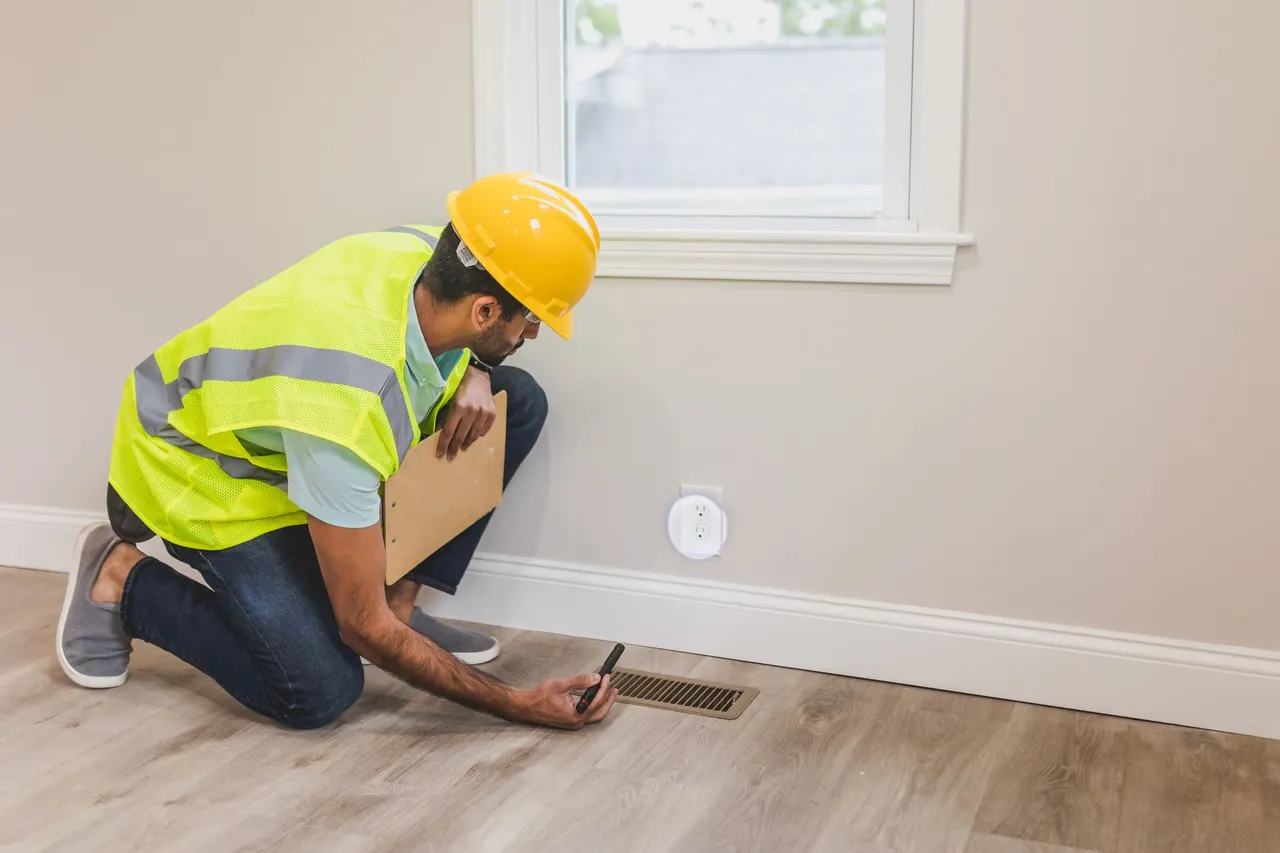
We scan every room with an infrared camera, looking for temperature anomalies that indicate hidden moisture. We check around plumbing fixtures, windows, and exterior walls where leaks are common.
We confirm every thermal hit with a pin-type moisture meter or hygrometer. You see the readings and we explain what they mean. This step separates a real problem from a false positive.
You receive a floor plan marked with wet zones and meter readings. This map shows the source, the spread, and the materials affected. It is your record and your insurance documentation.
If moisture is active, we outline the drying steps: air movers, dehumidifiers, and daily monitoring. We schedule the work and explain how long it will take based on the readings.
We format our report for Xactimate and Texas Department of Insurance claims. It includes thermal images, moisture readings, and a marked floor plan. Your adjuster gets what they need.
The approach is the same for a home and a business. What changes is the access, the schedule and who needs the paperwork.
We scan your walls, floors, and ceilings to find hidden moisture. You get a clear map and a plan.
We scan offices, retail spaces, and warehouses to find moisture without disrupting operations. Reports are formatted for property managers.
A plain-language look at what Moisture Mapping and Thermal Imaging involves and when it is needed.
See how it worksMoisture Mapping and Thermal Imaging Fort Worth TX is an inspection service that uses infrared cameras and calibrated moisture meters to locate water you cannot see. We scan walls, ceilings, floors, and crawl spaces, then verify each reading with a pin-type meter or hygrometer. The result is a moisture map: a marked-up diagram showing exactly where water sits, how wet each material is, and how far the damage reaches. That map drives every drying decision we make.
Fort Worth homes deal with slab leaks, burst pipes, and storm flooding that push water into places a flashlight never reaches. A slow supply-line leak behind a kitchen cabinet can soak drywall and insulation for weeks before you notice a stain. We also see crawl space moisture after heavy spring rains and frozen pipes every January. If you search moisture mapping near me Fort Worth, you want someone who can find the source and prove it with readings, not guesswork.
Thermal imaging finds water you cannot see, so you can dry it before mold grows.
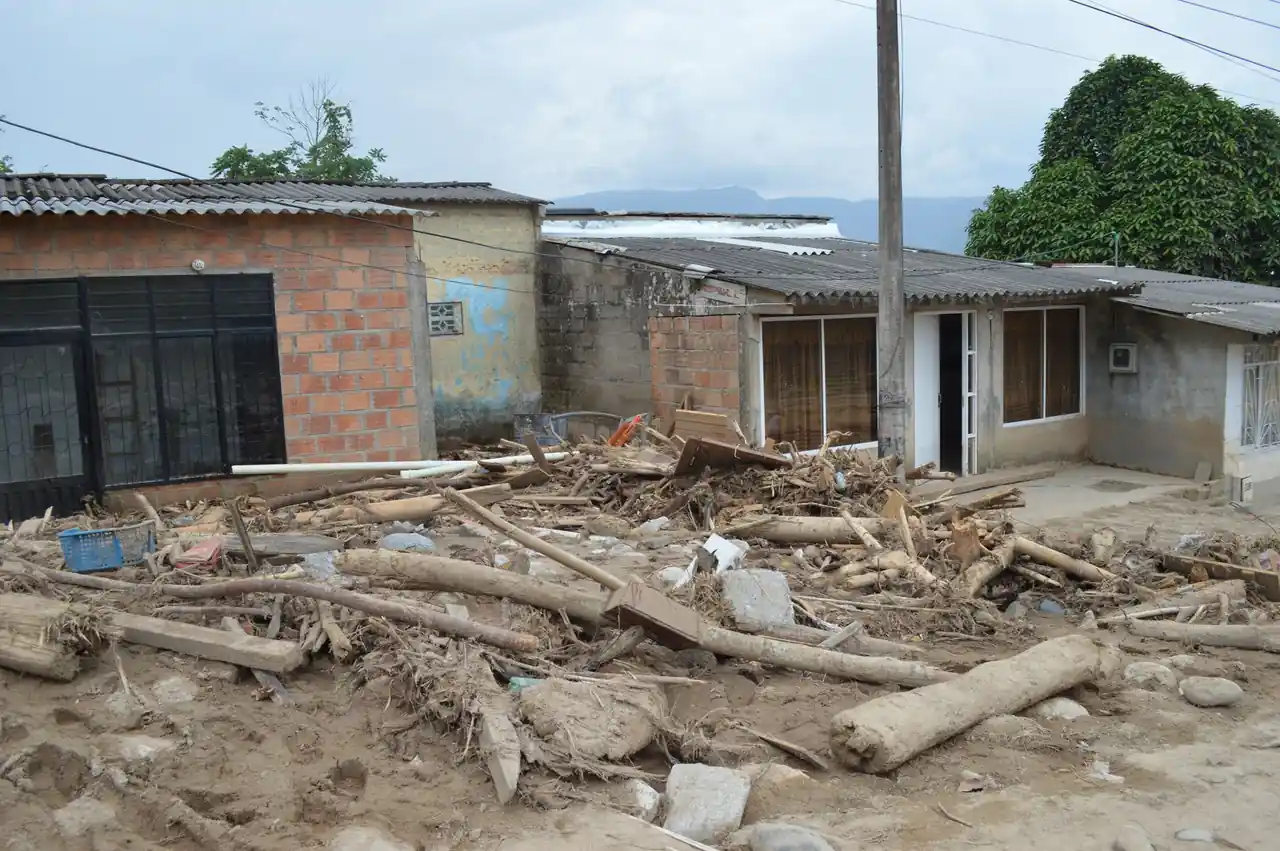
Every job follows the same five steps. We inspect, scan, verify, map, and explain. You get a clear picture of what is wet, how wet it is, and what needs to happen next.
We start by asking what you noticed: a stain, a smell, a warm spot on the floor, or a spike in your water bill. Then we walk the space with you and note every area of concern. This takes 10 to 15 minutes and tells us where to focus the scan.
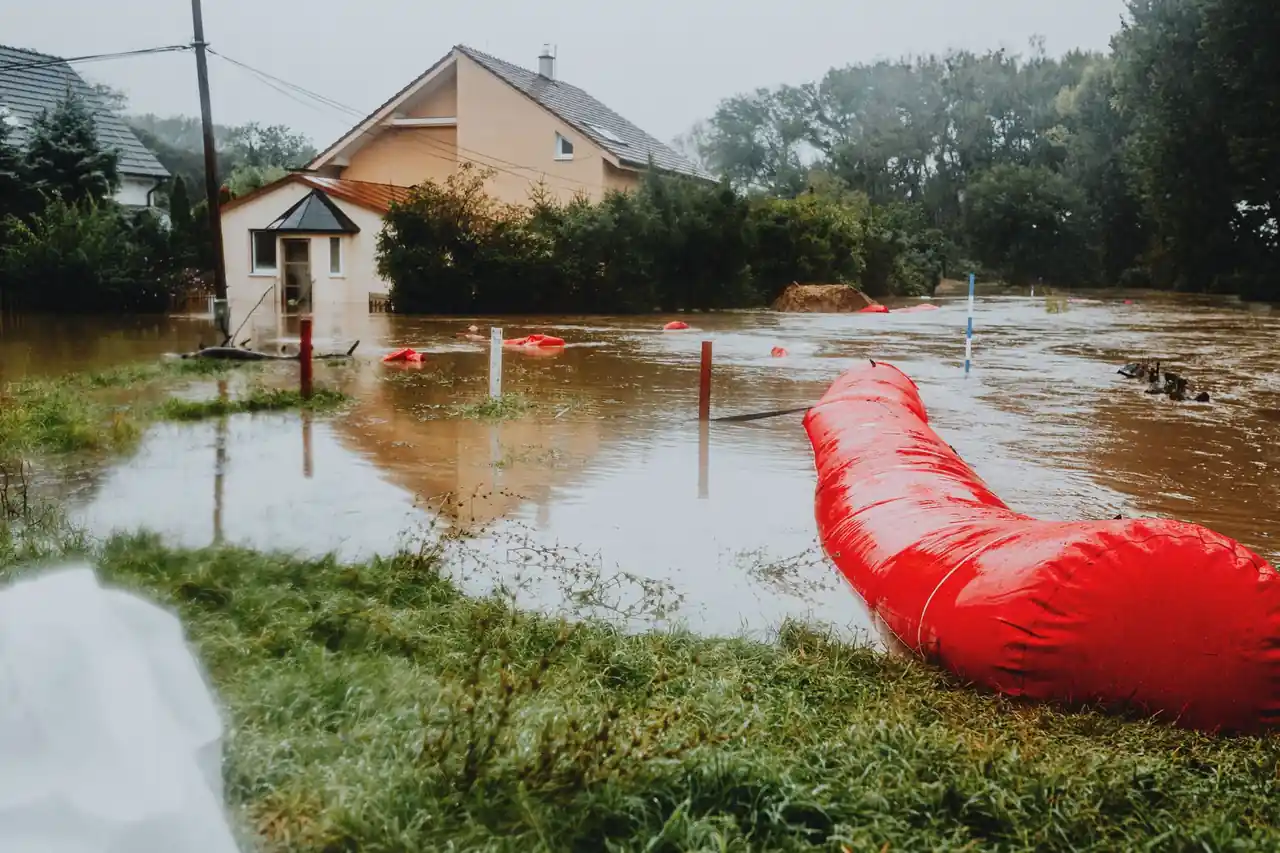
We run a thermal imaging camera across walls, ceilings, and floors. The camera reads surface temperature differences as small as 0.1 degrees, which is enough to reveal evaporative cooling from hidden moisture. We scan room by room and flag every anomaly.
A thermal hit is a clue, not a diagnosis. We confirm each one with a pin-type moisture meter or a non-invasive hygrometer. We also check baseboards, drywall, and carpet padding. Readings above 16 percent on wood or 1 percent on concrete indicate active moisture.
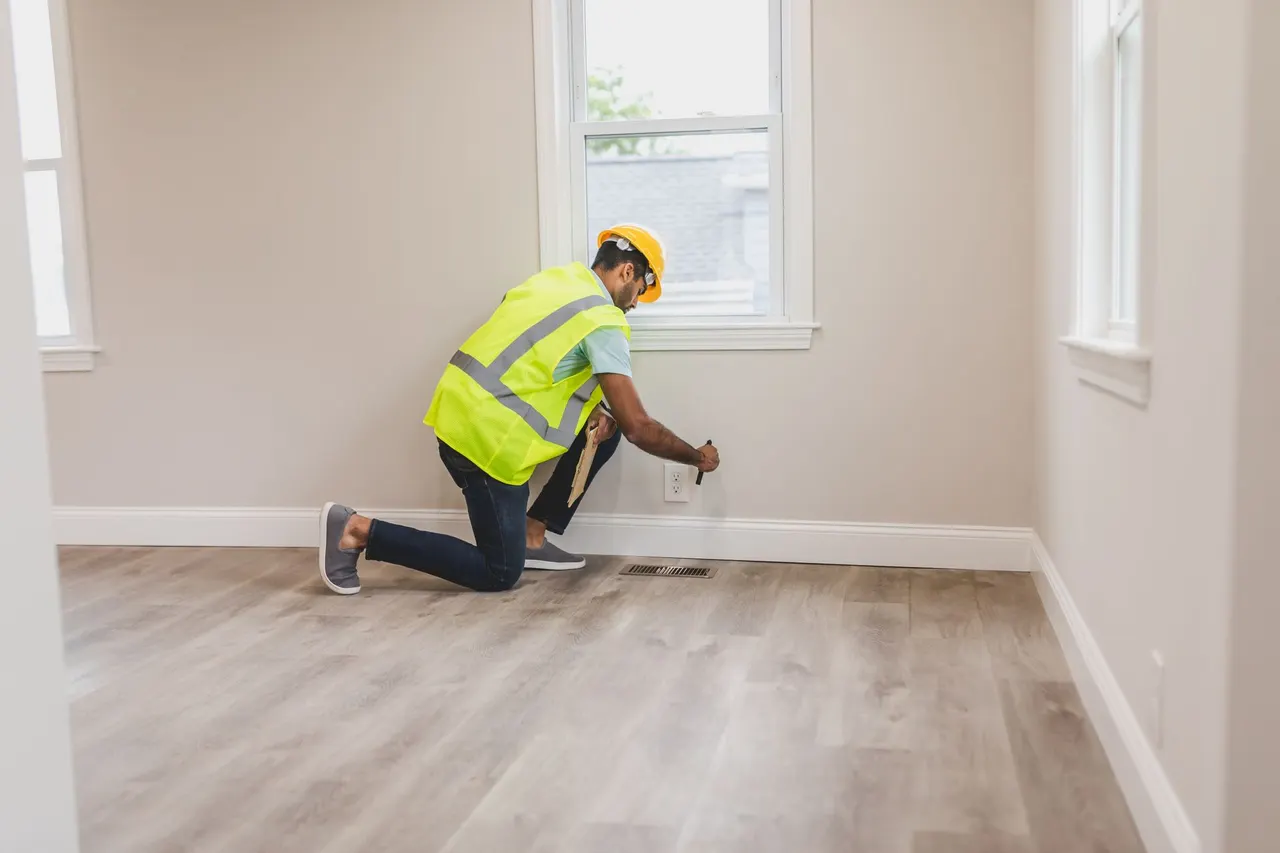
We draw a floor plan and mark every wet zone with the meter reading. You see the source, the spread, and the materials affected. If a slab leak is suspected, we note the area for a plumber to pressure-test. This map becomes the drying plan.
We walk you through the map, explain what each reading means, and outline the drying or repair work needed. If water extraction or structural drying is required, we schedule it. You leave the inspection knowing exactly where you stand.
Move across a circle, or focus it and press Enter, for an illustrative thermal view of the photograph.
Reads surface temperature differences to reveal hidden moisture behind walls, under floors, and in ceilings.
Confirms moisture content in wood, drywall, and other materials by measuring electrical resistance.
Measures relative humidity in the air and inside materials to verify drying progress.
Allows us to see inside wall cavities without cutting large holes, confirming the source of moisture.
Quickly checks surface temperatures to spot anomalies that may indicate evaporative cooling from moisture.
Thermal views are illustrative, generated from the photographs.
Dries hardwood and other hard floors from the surface down, using thermal imaging to monitor progress.
We follow the IICRC S500 standard for water damage restoration, which includes moisture mapping and thermal imaging as core assessment tools.
We scan each room systematically, comparing temperature readings to find anomalies. Then we verify with a moisture meter.
We draw a floor plan and mark wet zones with meter readings. This map guides drying and documents the damage for insurance.
During drying, we re-scan with thermal imaging and take meter readings every 24 hours to track progress and adjust equipment.
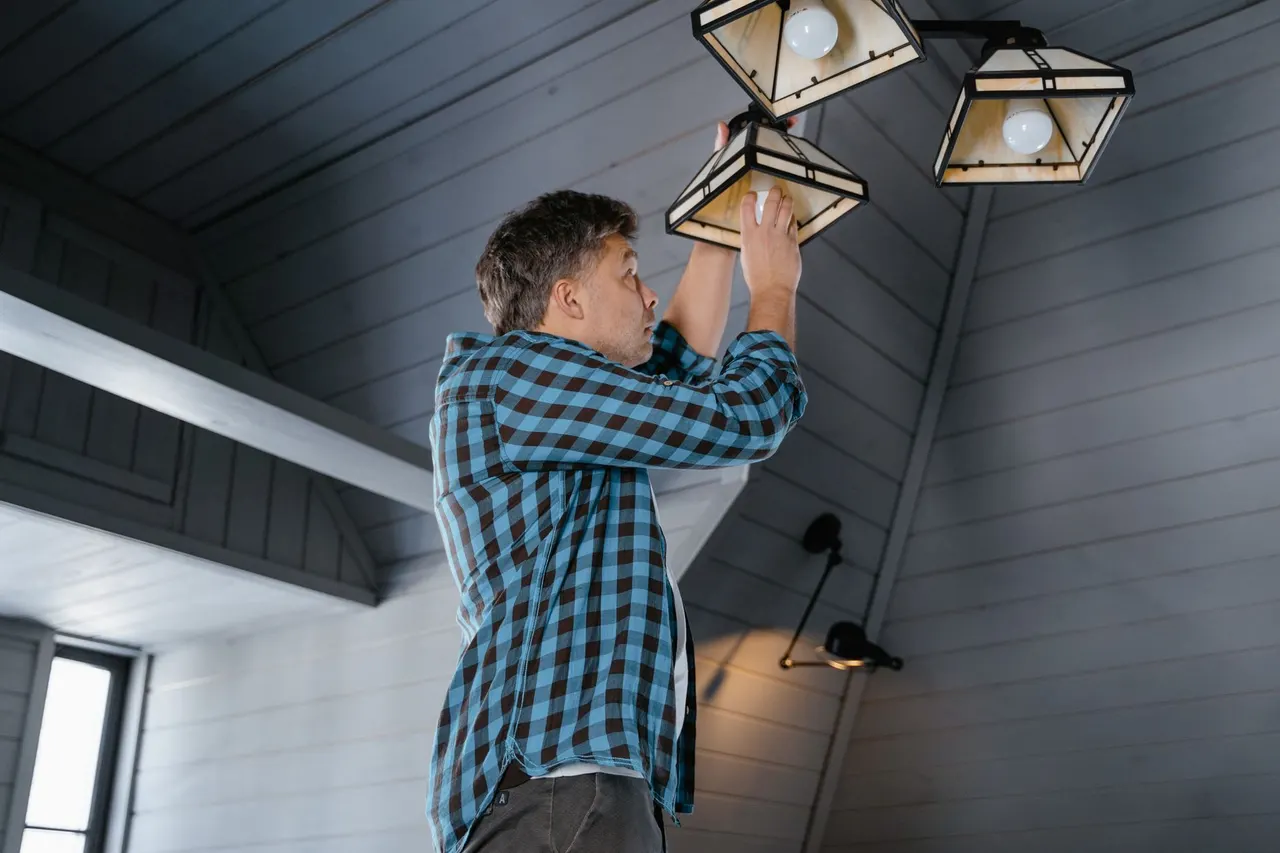
You had a pipe burst and the walls feel dry but you are not sure.
We scan the walls with thermal imaging to find moisture that evaporated from the surface but remains inside. We confirm with a meter and map the wet area.
Outcome: You know exactly where to dry, preventing mold and saving drywall.
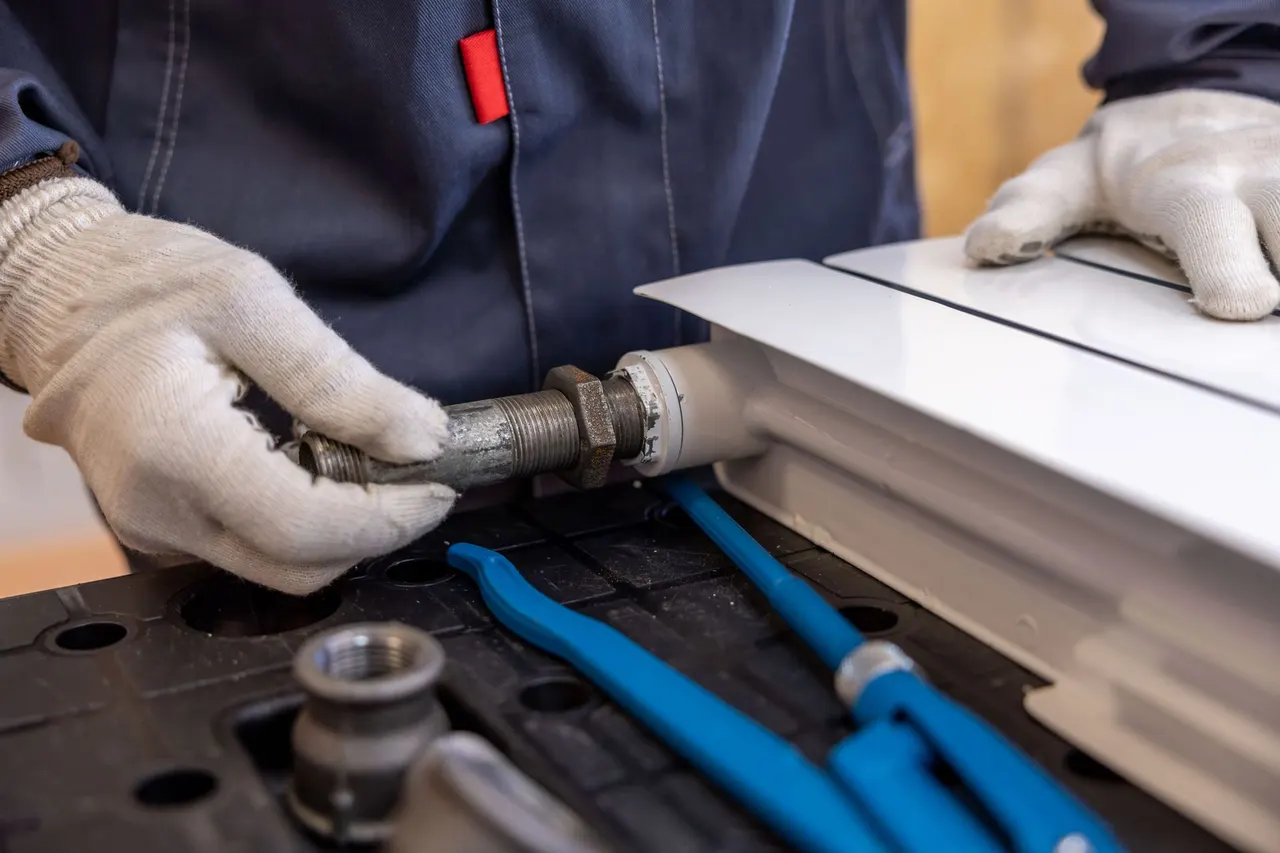
You are buying a home in Fort Worth and want to check for hidden leaks.
We run a pre-purchase moisture inspection with thermal imaging. We check around plumbing, windows, and the foundation for signs of water intrusion.
Outcome: You get a report that can inform your negotiation or repair requests.
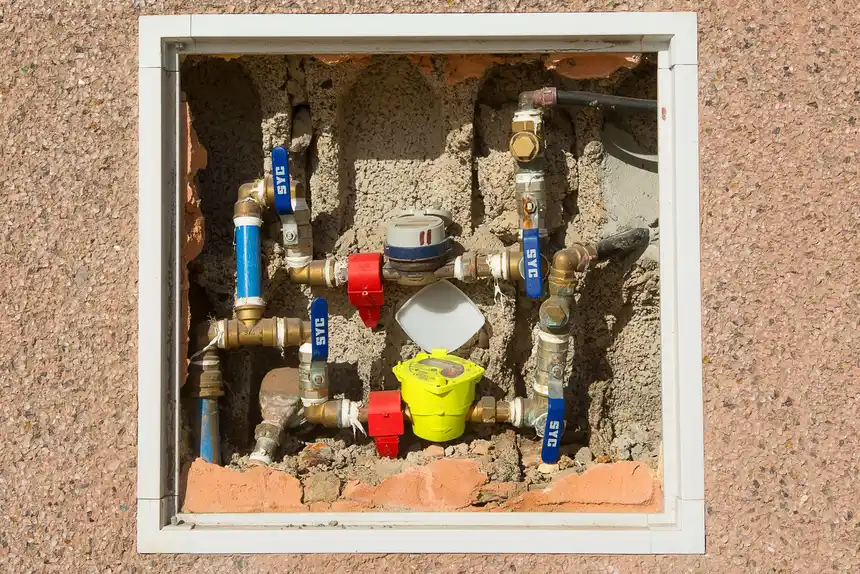
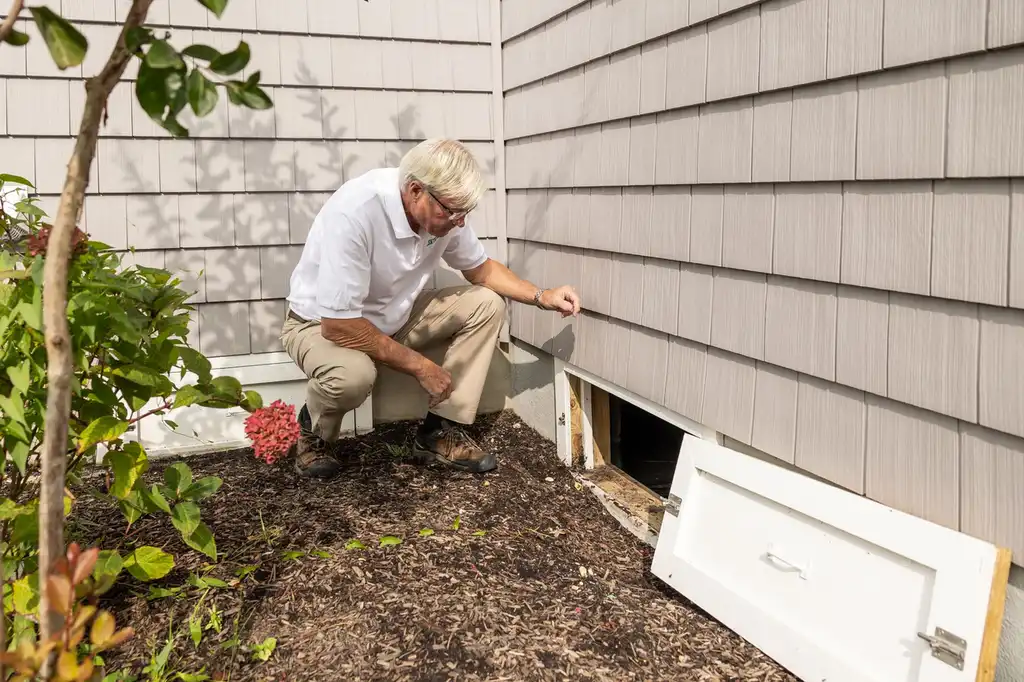
Your crawl space flooded after heavy rain and you want to make sure it is dry.
We use thermal imaging to find wet areas in the crawl space, then remove standing water and set drying equipment.
Outcome: Your crawl space is dry, and you avoid mold and wood rot.
You had a sewage backup and want to confirm the cleanup was complete.
We scan the affected area with thermal imaging to find any remaining moisture. We also check for hidden contamination behind baseboards.
Outcome: You have proof the area is dry and safe, documented for your records.
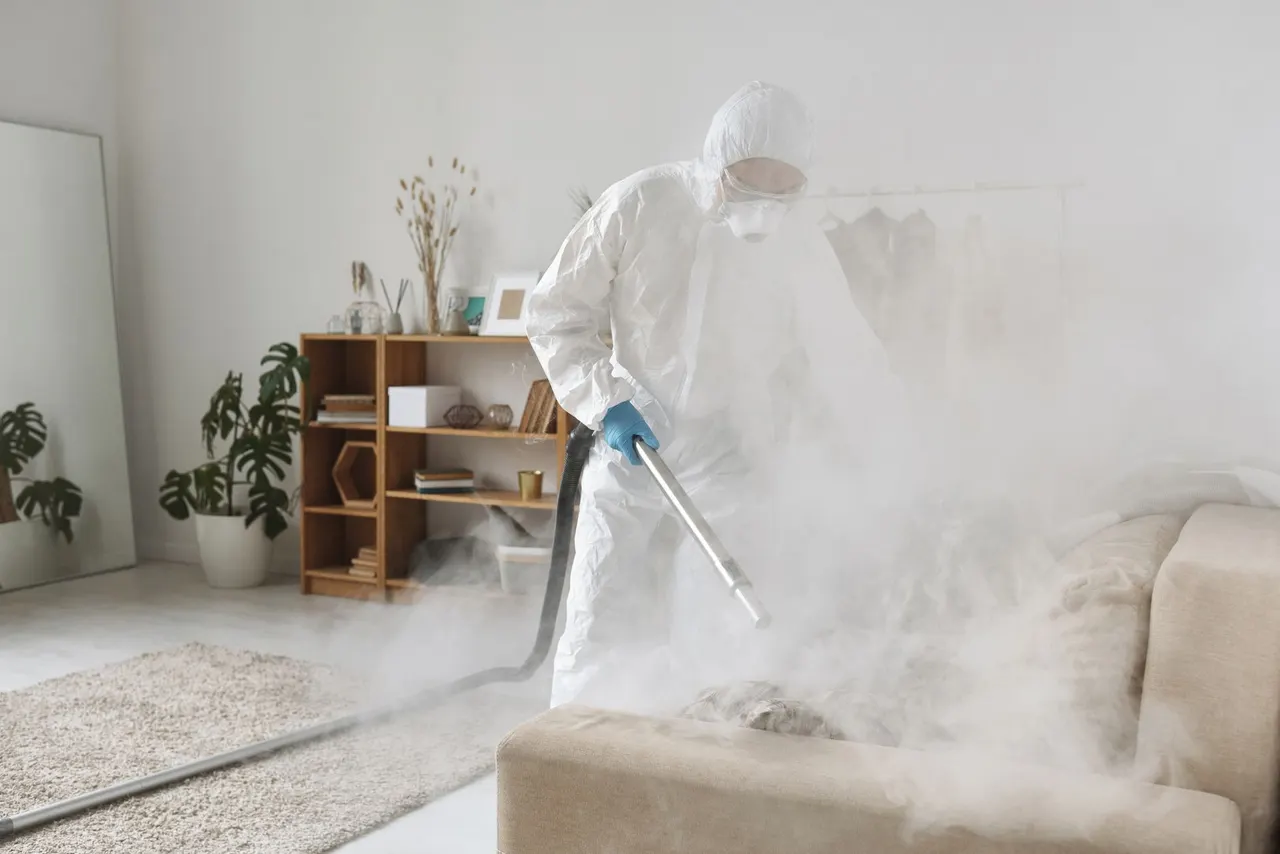
Fort Worth sits on clay soil that expands and contracts with the seasons, which puts stress on slabs and pipes. That is why slab leaks are so common here. Older neighborhoods like Fairmount and Arlington Heights have galvanized pipes that corrode from the inside. When they fail, water often travels under the slab or into wall cavities.
We use thermal imaging to find the warm spot that indicates a hot-water leak, then confirm it with a moisture meter. In the summer, storms can drop two inches of rain in an hour, pushing water into crawl spaces and basements. In winter, frozen pipes burst and release water into walls. We scan for moisture after every event. If you need emergency moisture mapping and thermal imaging Fort Worth TX, we are ready.
We also work with Tarrant County homeowners on insurance claims, providing documentation that meets Texas Department of Insurance standards.
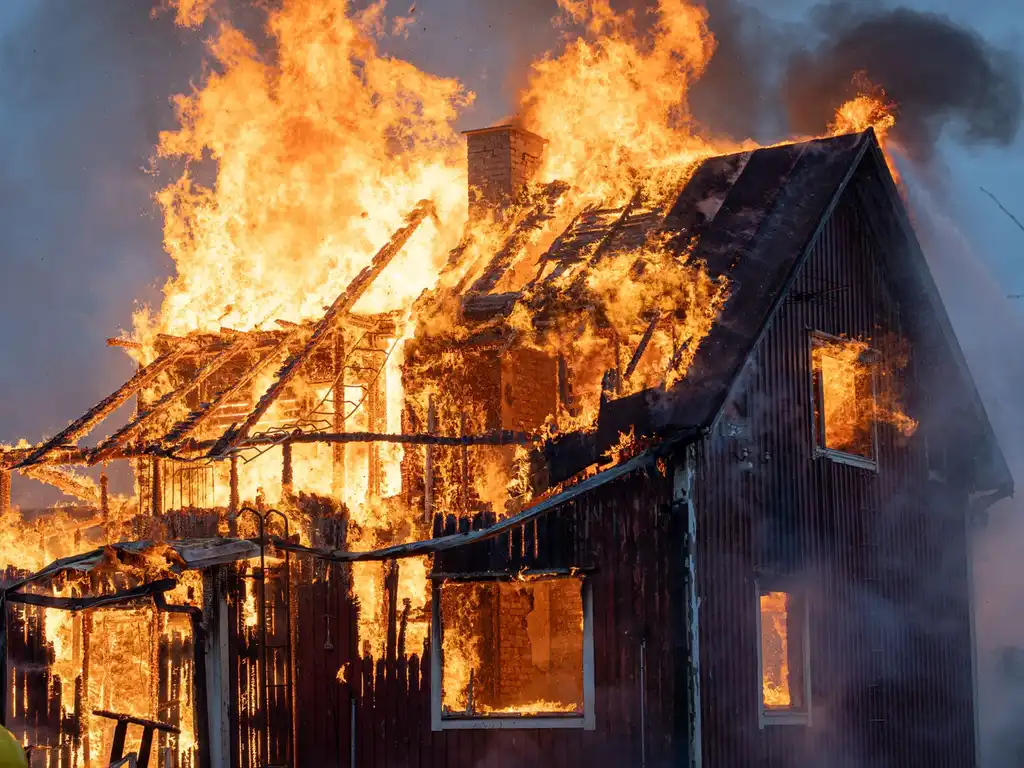
Before: A homeowner in Fairmount noticed a warm spot on the hardwood floor and a musty smell. A plumber suspected a slab leak but could not pinpoint it. The floor was starting to cup.
After: We used thermal imaging to locate the hot-water leak under the slab. The plumber repaired it, and we dried the hardwood with a floor drying mat. The floor returned to normal within five days.
We recommended monitoring the floor for any new warm spots and checking the water bill monthly for unexplained spikes.
Before: A pipe burst in a West 7th condo while the owner was away. The walls felt dry, but the baseboards were swelling. The owner called us to check for hidden moisture.
After: Thermal imaging revealed moisture in the drywall and insulation behind the baseboards. We removed the wet materials, dried the framing, and replaced the drywall. The owner avoided mold.
We suggested installing a water leak sensor near the water heater and washing machine.
Before: After a heavy storm, a home in Arlington Heights had standing water in the crawl space. The homeowner was worried about mold and wood rot.
After: We pumped out the water, then used thermal imaging to find remaining damp areas. We set dehumidifiers and air movers. Within three days, moisture readings returned to normal.
We recommended checking the crawl space after every major rain and keeping gutters clear to divert water away from the foundation.
Hidden moisture causes most of the expensive damage we see. By the time you notice a stain or smell, the water has been sitting for days. Thermal imaging finds it early.
Find hidden moisture early and avoid mold and costly repairs.
An infrared scan can spot a slab leak or supply-line drip in minutes. We follow the temperature signature, confirm it with a moisture meter, and mark the exact spot. That saves you from exploratory demolition and gets the repair crew to the right place on the first visit.
Mold needs 24 to 48 hours of moisture to colonize drywall and plywood. Thermal imaging inspection Fort Worth catches wet framing while it is still just damp. We map the moisture, set drying equipment, and re-scan until readings return to normal.
Adjusters want proof of where water traveled. Our moisture maps include thermal images, meter readings, and a floor plan marked with wet zones. That documentation supports your claim and shows the scope of damage in a format Xactimate can use.
Hardwood flooring and carpet padding trap water long after the surface feels dry. We use a floor drying mat and thermal scans to check beneath the surface. Catching moisture early can save the floor instead of replacing it.
Clear records you can keep and share.
Floor plan with wet zones marked
Photos of temperature anomalies
Readings for each wet area
Steps and equipment needed
Not all moisture is the same. Here is how we classify what we find.
Water on the surface of materials
Water soaked into drywall or wood
Water trapped behind walls or under floors
A list like this tells people straight away whether you cover their street. Not listed? Call and ask: it only takes a minute.
Based in Fort Worth and covering the places around it. Pick one for local details.
Commercial or multi-unit properties cost more. If we find active moisture and you hire us for the drying work, we credit the inspection fee toward the job. Call and we can give you a range before we arrive.
Fort Worth Restorations provides thermal imaging inspection Fort Worth as part of our water damage assessment. We serve Downtown, Sundance Square, West 7th, Near Southside, Fairmount, Arlington Heights, and the TCU area. Call +1 817-270-9150 to schedule.
Water evaporates and cools the surface around it. An infrared camera reads that temperature difference, which shows up as a dark patch on the screen. We then confirm the spot with a moisture meter. This method finds water behind drywall, under hardwood, and inside crawl spaces without cutting holes.
Most homeowner policies cover moisture mapping when it is part of a covered water damage claim, such as a burst pipe or appliance leak. We provide thermal images and meter readings formatted for Xactimate, which is what many Texas adjusters use. Check your policy or call us and we can explain what documentation you need.
Other services from the same team.
Water damage gets worse every hour. Call Fort Worth Restorations at +1 817-270-9150 and we will scan your home or business today. We show you the readings, map the moisture, and give you a plan. Same-day appointments available.
Call +1 817-270-9150 any time, day or night. We answer, ask a few questions about the source and the rooms affected, and dispatch a crew. If you prefer email, send photos and your address to info@fortworthrestorations.com and we will follow up with next steps.